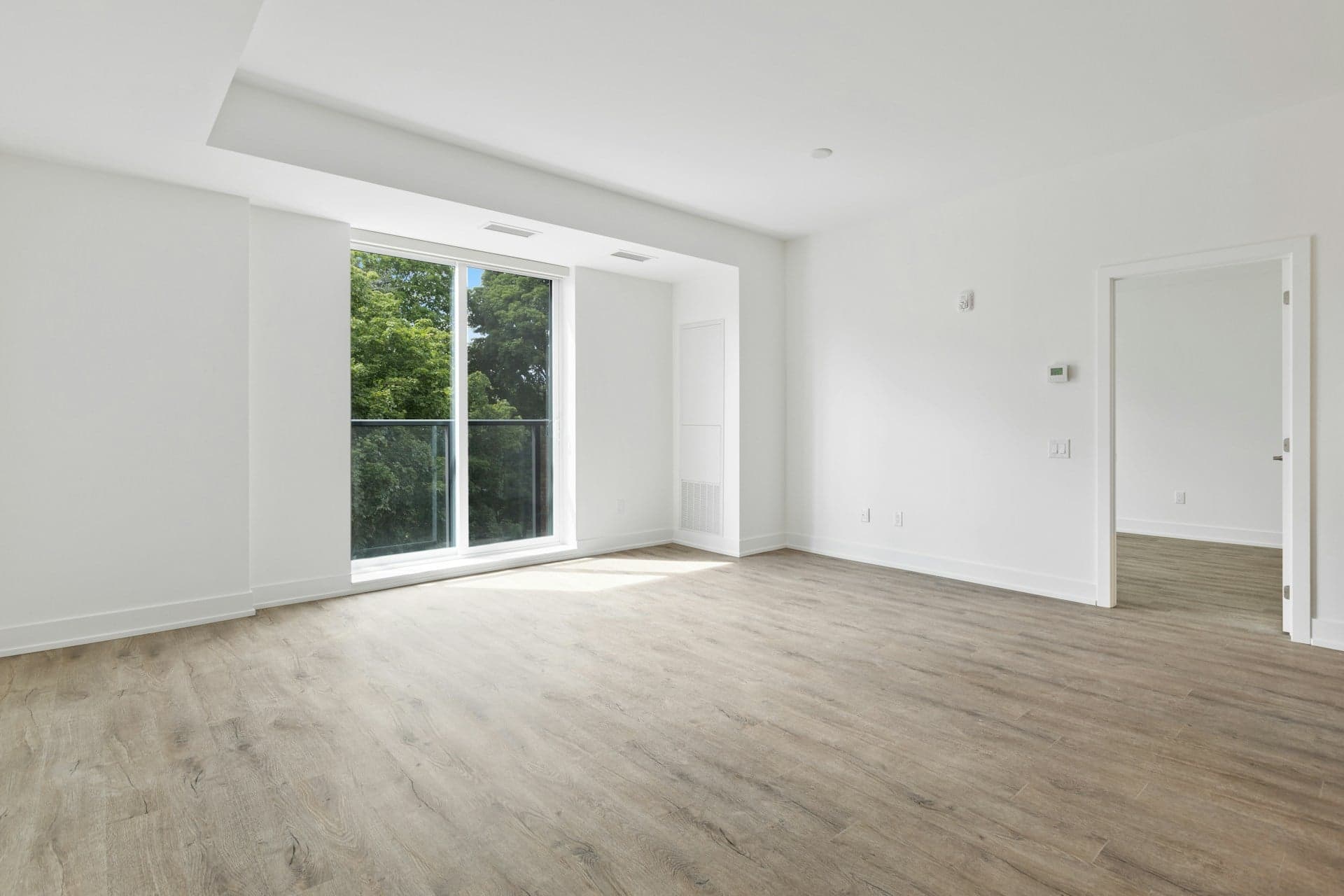
Rental housing is not just about paying or collecting the monthly rent, it also comes with a range of other service costs. Water supply, sewerage, waste collection, cleaning of the common areas in the apartment building or radio and television fees are just a few of them. Altogether, the payments for these services can add up to a considerable sum and, especially in the tenant's case, make a real dent in the household budget. In practice, a distinction is made between service costs directly linked to owning the property and costs connected with renting the flat. The key criterion for deciding whether a particular fee is “down to the tenant” is whether they receive an immediate benefit from the service.
Services paid by the tenant
When choosing a future place to live and negotiating the terms of a rental, it is worth clarifying the popular phrase “plus fees”. Although the rent itself may often look favourable at first sight, the amount of the extra payments can vary considerably from one offer to another.
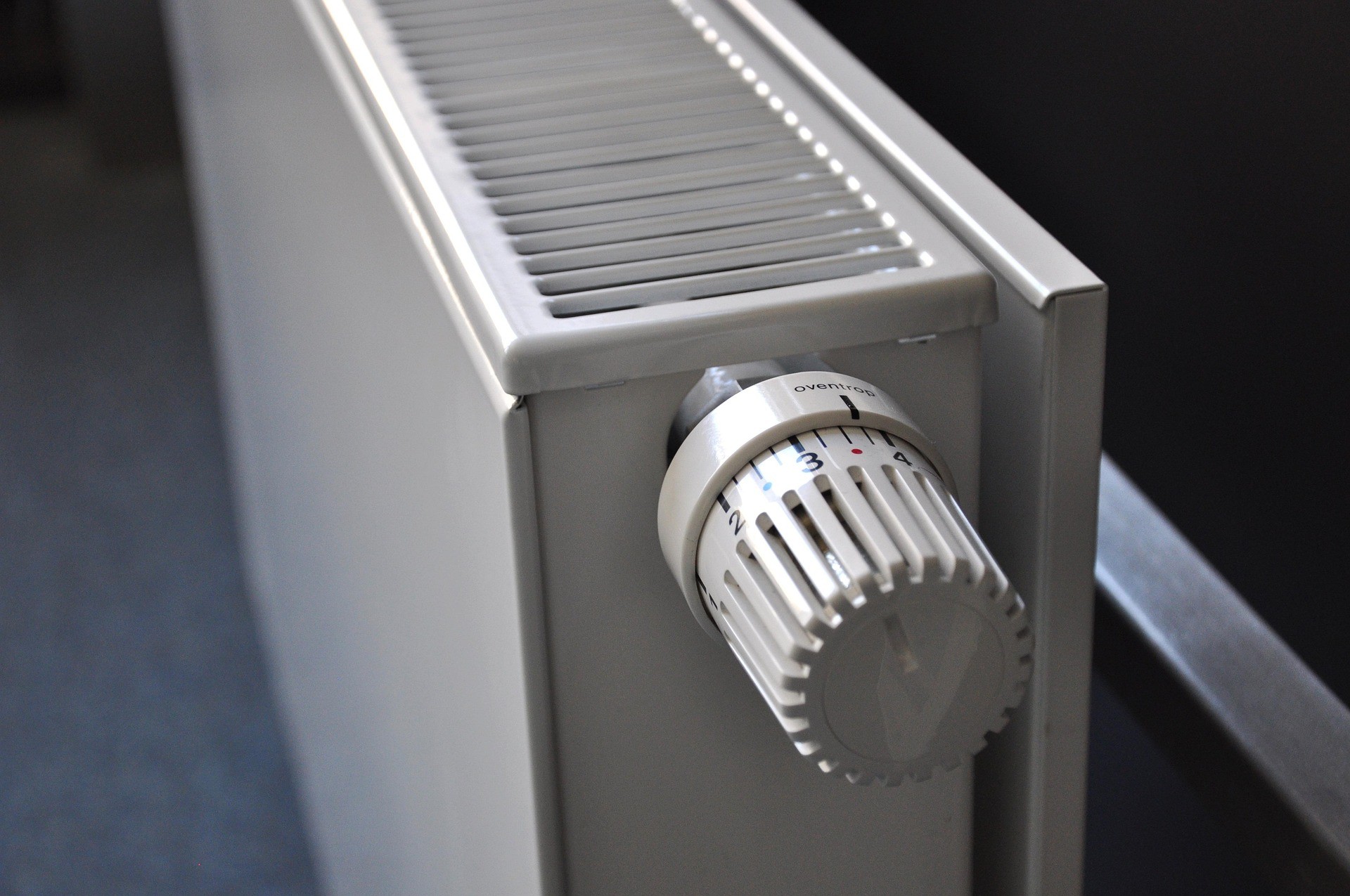
Typical costs borne by the tenant include heating and hot and cold water consumption
Under the new Civil Code (§ 2247), the group of essential services comprises:
- Water supply
- Waste water drainage
- Heat supply
- Municipal waste collection
- Lighting and cleaning of the common parts of the building
- Ensuring radio and television reception (careful, not to be confused with licence fees)
- Operation and cleaning of chimneys
- Possibly lift operation
The services listed above are to be arranged by the landlord, but they are paid by the tenant together with the rent. Payment may take the form of monthly advances, or of a flat-rate amount. If the owner and the tenant agree on advance payments, the actual costs of the services in question must be settled in an annual statement. No later than 4 months after the end of the billing period, any overpayments must be returned to the tenant or underpayments settled. This settlement and the related paperwork tend to be a major bugbear for owners of investment flats. That is why all services connected with the use of a flat are often covered by a single flat-rate payment. However, this does not reflect actual consumption, of water for instance. Of all the fees, the key item is above all the payments for energy. And here a third option is available – transferring the electricity and gas supply contracts to the tenant. You can read our tips on how best to handle energy supplies when renting out a flat in a dedicated text in the FLAT SERVICE Advisor. Unlike the amount of rent, which can only be adjusted in compliance with fairly strict statutory rules, advance payments for services can be changed unilaterally during the year. If necessary, for example when heating costs rise significantly, the flat's owner merely has to notify the tenant of the change in writing. The rent usually does not include a private garage or the rental of a parking space belonging to the flat. Especially in new development projects with extensive amenities, there may be significant fees for above-standard services such as a reception desk, a fitness centre or a shared terrace and other relaxation areas. A well-drafted lease agreement always specifies exactly which services are connected with the use of the flat.

In premium residential properties, the landlord may also charge a fee for the work of a professional gardener, but only if the tenant has access to the garden
Further costs connected with rental housing include routine property maintenance and minor repairs, about which you can learn more in a separate article. Tenants may also pay for household contents insurance, which we covered in detail recently.
Services paid by the owner
The property owner has a statutory obligation to pay for the services that are connected with the ownership of the rented flat. These are primarily its insurance and contributions to the repair fund, from which the unit owners' association pays, among other things, the expenses for the operation and repairs of the apartment building and the upkeep of the land. In practice, payments into the repair fund sometimes become a point of dispute between the future landlord and the tenant. They are, however, clearly a cost for the owner, as they represent an investment in improving the property that increases its value. Services connected with owning a flat include:
- Repair fund
- Insurance of the flat and the building
- Management of the flat unit
- Remuneration of the statutory bodies
- Costs connected with the use of non-residential premises
- Radio and television fees
- Possibly annuity instalments in a housing cooperative
The lease agreement must state the amount of rent separately from the payments for services, because the owner has to report the rent received in their tax return for income tax, whereas payments for services are not subject to taxation. In the FLAT SERVICE Advisor we have previously covered the other obligations that property owners have. You can find all the information about them here. Would you like to offer your vacant flat on the property market, but have no time to look for a suitable tenant, then keep an eye on advance payments and puzzle over preparing the annual energy statement? Leave the letting to the professionals! At FLAT SERVICE we have many years of experience in property management, thanks to which we will save you all the hassle. Get in touch at sales@flatservice.cz or on +420 277 000 330 and we will introduce you to our Partner and Garant services.