
A roof completely destroyed by a windstorm, a kitchen unit set alight by a forgotten pot or the flat next door flooded by a broken washing machine – these are all scenarios that can happen in a rented property. And it is in situations like these that well-arranged insurance can help enormously. Conversely, a missing insurance policy or insufficient cover can lead to considerable financial consequences, and that for both parties to the tenancy. Both the landlord and the tenant should have their own insurance policies in place. The assumption often heard in practice, that property insurance will also cover the tenant's belongings, is simply wrong. The owner of a flat needs above all to protect the property itself, while its occupants need to protect the contents of the household. The common denominator is liability insurance for damage caused.
Insurance from the owner's perspective
An owner who decides to rent out their flat should have property insurance in place. This typically covers the structural elements, i.e. walls, ceilings, floors, doors, windows, the roof, and the energy or water systems. It also includes built-in features, such as the kitchen unit including appliances or the shower enclosure. Insurance is usually taken out against natural perils, water damage, vandalism, breakage of glass or sanitary fittings, power surges or short circuits in electronic devices. With the growing demand for fully furnished flats, which we covered in the FLAT SERVICE Advisor in a separate article, household contents insurance taken out by the property owner is becoming increasingly important. Where a unit is rented out complete with kitchen appliances, a washing machine and furniture, these items should also be included in the policy. It still holds, however, that the insurance does not cover the tenant's belongings.
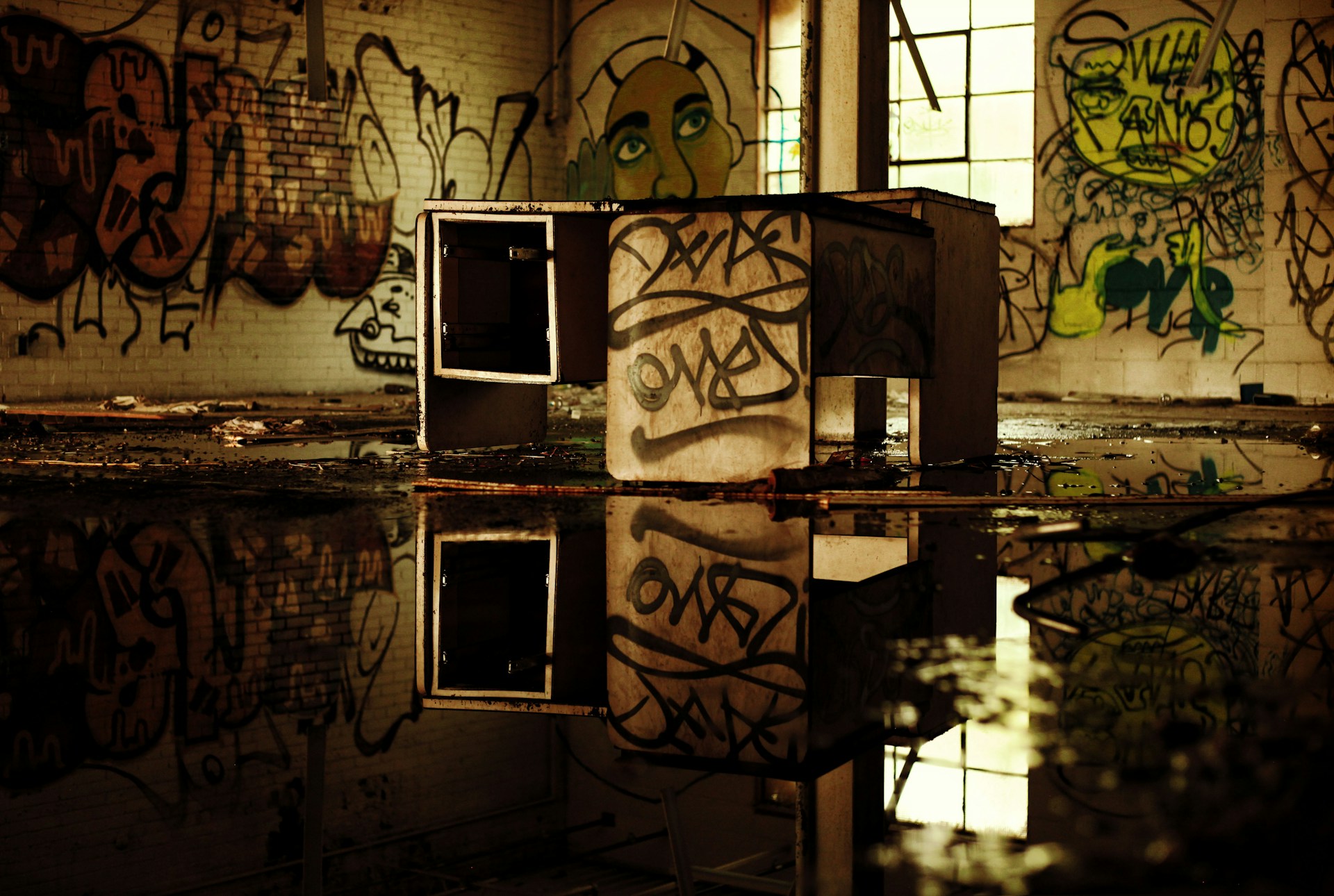
A devastated property is the nightmare of most owners. If you took out your policy some time ago, consider reviewing it in light of today's high prices of building materials
Protection for the owner of an investment flat also includes property owner's liability insurance. This applies if some part of the property – a window falling out, for example – were to cause the tenant damage to property or even personal injury.
Insurance from the tenant's perspective
A tenant living in the flat should take out their own household contents insurance. This protects the value of the movable property they have moved into the household should any damage occur. This means, for instance, furniture, kitchen appliances, electronics, clothing, sports equipment, antiques or other valuables. The risks covered are similar to those for property insurance. For a sound relationship between landlord and tenant, liability insurance is essential, as it covers damage caused to the flat itself. It is important to remember that the tenant is responsible for the routine maintenance of the flat, which includes regularly checking that radiators, taps, the boiler or the water heater are working properly. If damage arises from neglecting this duty, the tenant will bear the cost. Liability insurance usually applies in these cases too, where the occupant of the household causes damage through negligence to the landlord, to the property or its furnishings, with the cause being fire, explosion or an escape of water.

A well-drafted tenancy agreement really does think of everything. It is therefore advisable to stipulate in it that the tenant must take out their own household contents and liability insurance. And with an adequate level of cover
Liability insurance arranged as part of household contents insurance also applies to damage to third parties, neighbours, for example. If, in running the household, the tenant unintentionally causes injury to another resident of the building or destroys someone else's property, the insurance will cover the compensation for the damage caused. A typical case is a soaked ceiling in the flat below the unit, for example because of water overflowing from the bath. The insurance applies to all occupants of the flat, including children or grandparents living in the shared household. It usually even covers any damage caused by pets.
What to watch out for
When taking out insurance, it is worth paying close attention to the list of risks covered and to the level of the excess, i.e. the money the client will have to pay out of their own pocket for each claim. The rule applies to all insurance policies that they should be updated regularly. If you upgrade your household with modern furnishings or buy new electrical appliances, you should reflect this in the maximum sums insured so that they match the current situation and cover any losses in full. Insurance benefits naturally do not apply to damage caused intentionally. As a rule they also exclude damage arising from normal wear and tear or gross negligence. A detailed explanation of who pays for repairs in rented housing can be read here. Would you like passive income without any worries? The answer may be to buy an investment property and use the services of a management company. At FLAT SERVICE we take care of every aspect of renting – we photograph the flat professionally, find a suitable applicant, prepare a tailor-made tenancy agreement, check the condition of the household on an ongoing basis and arrange any minor repairs. For more information contact us at sales@flatservice.cz or on +420 277 000 330.