
Contract in the property owner’s name
An uninterrupted supply of electricity and gas with no administrative burden in dealing with suppliers is ensured by keeping the existing contracts, which are held in the name of the flat’s owner. The owner then pays regular advance payments to the supply companies, and the tenant usually sends them a pre-agreed amount together with the rent payment. A major advantage of this approach is that you keep an overview of the household’s consumption and have information about every payment made. That way the property cannot be disconnected from the utilities without your knowledge because of unpaid debts to the supplier. However, if the tenant fails to send you the money in a given month, you will have to pay for the utilities out of your own pocket, because under the contract the costs and the obligation to pay them are yours. A problem may also arise during the annual billing, when any underpayments have to be settled (with overpayments the situation is usually more cheerful). You need to think about this in advance and have the settlement of utility arrears properly covered in the lease agreement. In some situations, retroactive enforceability can be particularly complicated, as can a frequent turnover of tenants and the impossibility of taking interim meter readings without an adequate technical solution.
Contract in the new tenant’s name
The opposite approach is to transfer the utility supply contracts directly to the tenant. The monthly advance payments and any underpayments or overpayments are then entirely up to the property’s occupants. This relieves the owner of worries and responsibility – though in reality only to a certain extent.
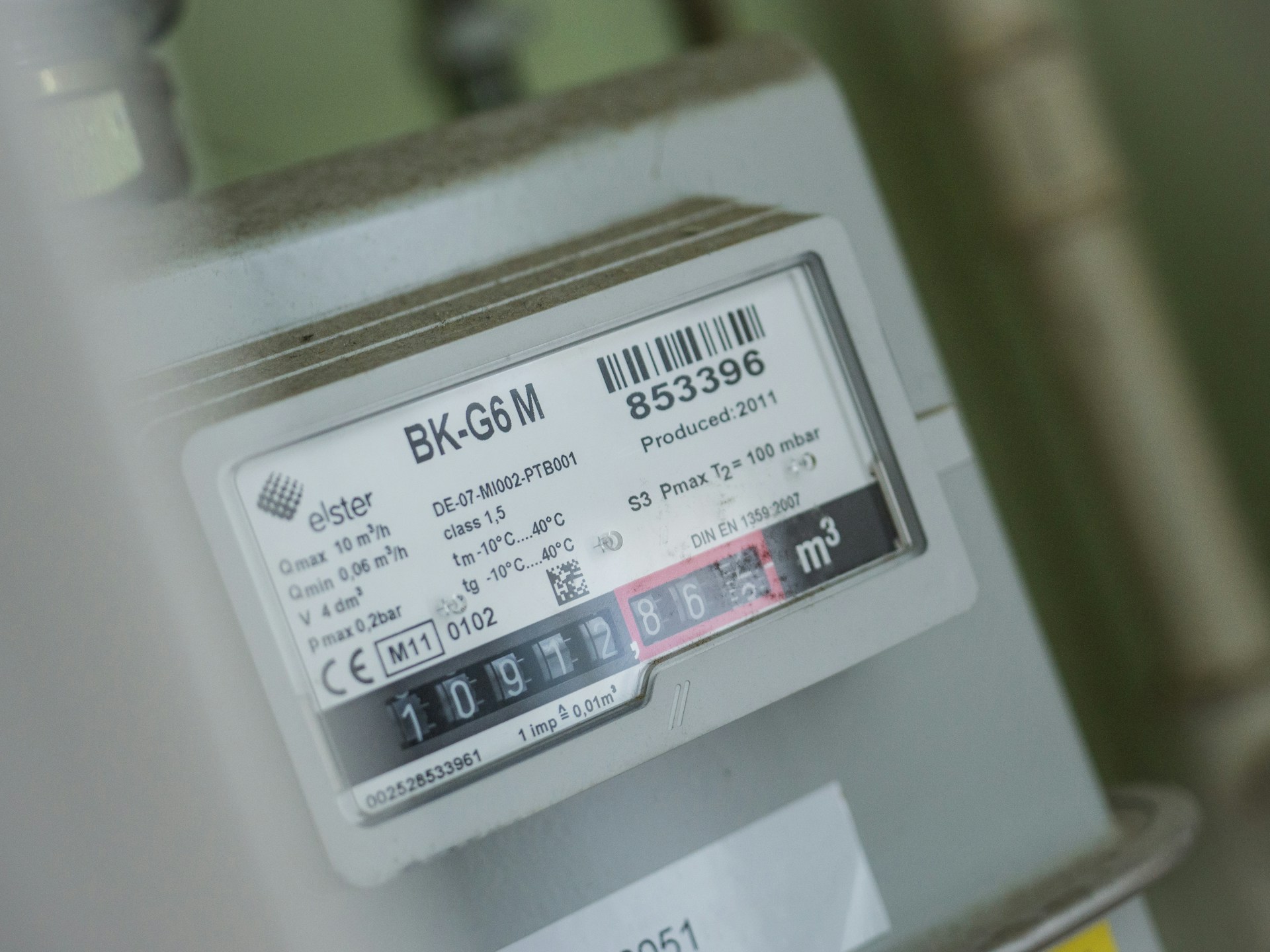
By transferring the utilities to the tenant you give up responsibility, but also the option of direct control
If the tenant stopped paying the invoices for electricity, gas or water, it would be them, not the owner, who ends up in the debtors’ register. For the landlord, however, there is the risk of not finding out about the problems in time, but only at the moment when, for example, the electricity meter is removed. Restoring the supply of power to the flat is then administratively complicated and involves considerable expense. That is why a well-drafted lease agreement should cover even these somewhat extreme cases.
The catch: differences in energy prices
Both approaches have their pros and cons. There is therefore no clear-cut recommendation; it always depends on the specific situation. When deciding whether or not to transfer the utilities to the tenant, it is worth factoring in current energy prices and the likely scenario for how they will develop in the future. Utility payments represent a significant cost today and can substantially affect the overall cost of renting, and thus the property’s appeal on the market. As a general rule, a newly arriving customer stands a better chance of getting a better price. If the tenant receives a fair offer from the energy supplier, they save money and at first glance it is a win. A prudent property owner, however, should think long term. Electricity and gas prices are currently rising slightly, and this trend is expected to continue. If the tenant to whom the utilities were transferred moves out next year, the flat’s new occupant may end up negotiating a higher price. And because of more expensive energy, the total amount they have to spend on housing will go up. Conversely, if the owner signs, say, a two-year contract now, they will have energy at a more favourable price for the entire period. What is more, with a frequent turnover of tenants they do not have to deal with suppliers at all. But what if energy prices fall unpredictably? As you can see, sorting out utilities means extra paperwork for the flat’s owner and an additional time burden that many do not count on at all. For everyone who wants to save themselves unnecessary worries and a lot of time negotiating energy supply contracts, there are the professional managers from Flat Service. Both our Partner and Garant services include a convenient transfer of utilities without the landlord’s involvement and without any risk. We will be happy to take complete care of your property, including finding a solvent applicant, preparing a tailor-made lease agreement, routine maintenance or ongoing inspections of the flat’s condition. Just get in touch on +420 277 000 330 or at sales@flatservice.cz.