Building permit procedures are back to “business as usual”
Last year's situation around the digitalisation of building permit procedures and the short-term outage in approving both small family houses and large projects of dozens or hundreds of new flats across the country is now behind us. Thanks to a combination of the old and the new computer system for building permits, building authorities are working again and approving projects at a standard pace, as this year's data show. Experts warn, however, that this is not enough. Prague in particular (though the problem affects other larger Czech cities too) has long suffered from a construction deficit, which every year widens the gap between the number of flats people want and the number of properties on offer from estate agencies and developers. Getting the secondary market in property moving is reportedly a matter of five to ten years thanks to demographics, with new-build projects the situation is somewhat more complicated.

A fair amount is being built, but the market keeps signalling that it is nowhere near enough
The labour market versus immigration from abroad
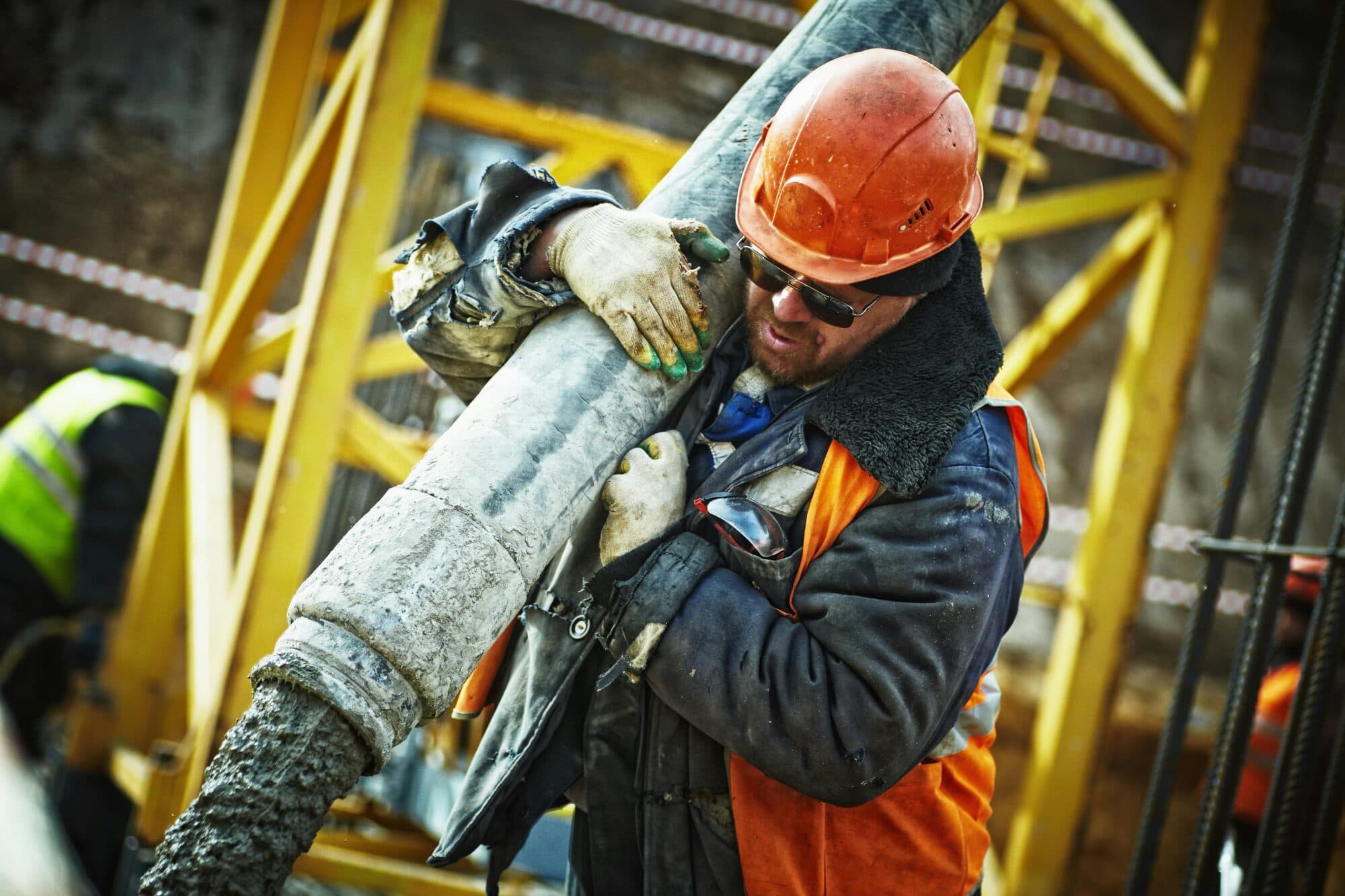
The owner of FINEP, one of the largest residential developers in the Czech Republic, has warned that even if building authorities were to approve many times more residential projects than they do today, there would simply be nobody to build them. The day when most manual work is done by autonomous robots is still far off (even though developers are factoring this option into their medium- to long-term outlook), so residential construction remains dependent on the availability of quality, reliable workers. Yet the construction industry is currently short of them – and even if such workers moved to Prague, it would only create further pressure on the property market linked to rising demand for smaller flats in particular. A growing share of construction workers are foreigners, for example from war-torn Ukraine or other post-Soviet countries. What is more, the Czech government has increasingly been saying that keeping services available will require opening the gates to workers from more distant and culturally more different countries, such as India or the Philippines.
A vicious circle with no way out
Czech construction risks ending up in a vicious circle, where as demand for flats grows, so will demand for construction workers, and that in turn will drive up demand for the flats they themselves will live in. A seemingly unsolvable situation, one that has been troubling developers and city representatives alike for some time. All the more so because Prague itself would like, through the Prague Development Company, to build as many as 8,000 new flats intended mainly for rent in the coming years. And this is far from the first case of its kind – so-called feedback loops are familiar to every student of system dynamics and feature in a number of sociological models. A similar crisis is currently playing out on the Spanish island of Mallorca, though there it concerns not construction, but tourism. For decades the island was seen as a place full of job opportunities for young Spaniards, especially from more remote mainland regions with high unemployment.

The current crisis on tourist-favourite Mallorca has more in common with Czech construction than you would probably expect
Yet for this tourist season it does not have enough workers. And that despite the fact that there are literally thousands of open positions. The reason? Rents on Mallorca have, thanks to overtourism, risen so high that seasonal workers cannot afford them. Landlords prefer to rent to well-off tourists (through Airbnb, for example) rather than to working students. The situation appears to be unsustainable in the long run. Whether it will be solved by the market or whether the region or the state will have to step in, we will only find out in the future. That goes both for the pearl of the Balearic Islands and for the most beautiful city in Central Europe, our very own Prague. Are you planning to rent out your investment flat and want to avoid mistakes in the related paperwork? Don't have enough time to follow market swings, set the ideal rent and find the best tenants? Entrust your property to a professional management company and save yourself time and worry. We would be happy to introduce you to the services of FLAT SERVICE – just contact us at sales@flatservice.cz or on +420 277 000 330.