That is the view shared by experts and representatives of construction companies, which currently find it extremely difficult to recruit qualified construction workers. The shortage of capable people in this segment of the labour market has been made even worse by the ongoing war in Ukraine, as it was citizens of this country who for many years carried the burden of Czech construction on their shoulders. Given the current geopolitical situation and the demographic curve, with most European countries including Czechia sitting below the natural population replacement rate (2.1 children per woman), no significant improvement can be expected in the medium term.
The future is here and now
According to construction firms and technology experts, the solution to this situation could be robots. And sooner than we think. The owner of one of the leading Czech construction holdings, currently expanding abroad, told Hospodářské noviny that he expects robots to replace people on building sites by 2035.
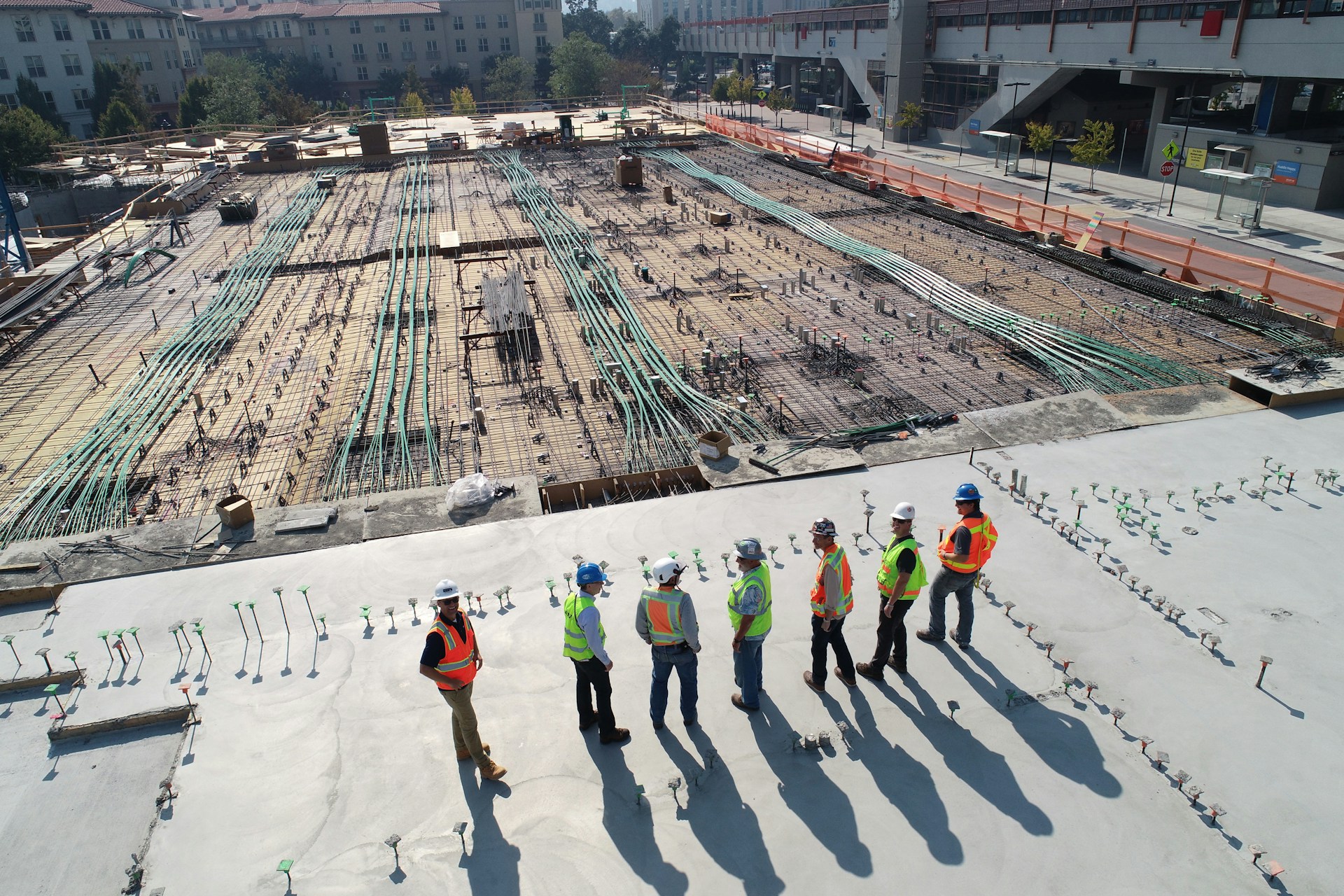
We are used to such scenes on building sites – the question is for how much longer
Does it sound like science fiction? Not entirely. Just think of how the past decade has transformed large-capacity warehouses storing goods or food, for example. Czech companies such as Alza and Rohlík are among the drivers of innovation in this segment and have been running fully autonomous technologies very successfully for several years now. And ultimately, these technologies also save them money.
The whole sector is struggling with a lack of people
In construction, then, the question is not so much “whether” robots will replace human workers, but “when”. Manually skilled and, above all, properly trained tradespeople who are gradually reaching retirement age are proving impossible to replace.
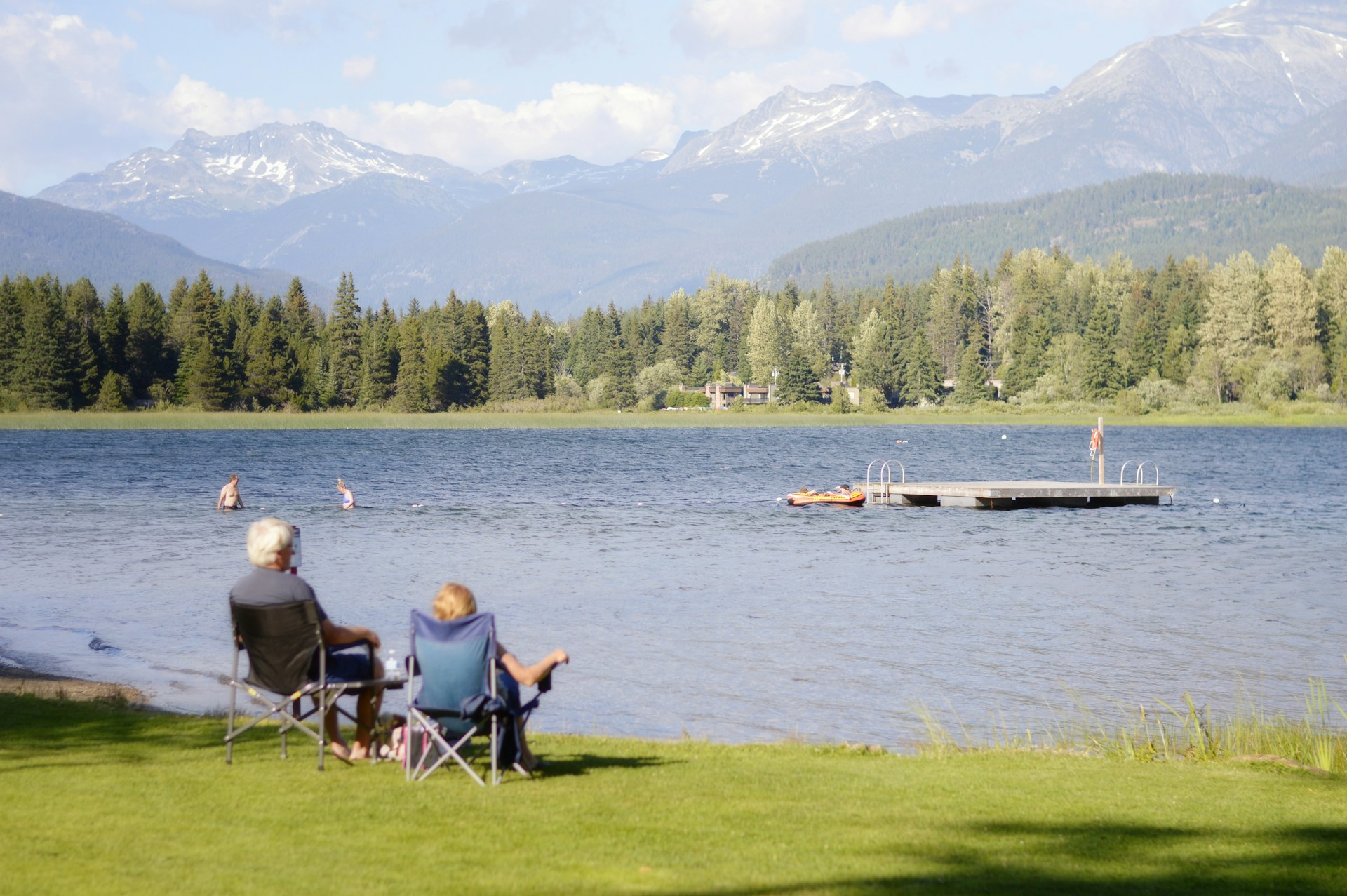
Capable workers from the “boomer” generation are now heading into retirement, and building sites will soon feel their absence acutely
Young people very often do not want to hear about vocational trades at all – even though a good tradesperson today can earn several times more than the average office worker. Filling the missing capacity through immigration from abroad seems unlikely. While some countries have opened the floodgates to workers from the Philippines or India, Czechia is still holding back from a similar step.
Ever better quality of work
Robots on building sites are nothing new – according to statisticians, they are currently used to some extent by more than half of construction companies in Western Europe and the USA. So far, however, these are typically specialised robotic devices designed to perform very specific tasks. The work of robots on building sites 10 years from now should look completely different – more generalised, more autonomous, we might say more intelligent. This is of course linked to the rapid development of artificial intelligence and the potential invention of so-called General AI. That is precisely the main goal behind the existence of OpenAI, the company behind the well-known ChatGPT tool. A construction robot must be able to move, carry objects and components of various sizes and shapes, adapt to a changing environment (due to weather or darkness, for example), interact with its immediate surroundings and, of course, perform the prescribed tasks to the required quality and with adequate precision. https://www.youtube.com/watch?v=WaXL8DXS3I4
Robotic construction supervision and inspection
Besides rough construction work, robots will soon also be used to carry out building inspections and verification work. Interestingly, while trade unions at construction companies in the USA and Europe still take a reserved view of using autonomous robots, in China and Japan they are seen rather positively, as part of a changing social and technological environment. Whether robots will fundamentally transform the construction industry in the Czech Republic and contribute, say, to cheaper flats, or at least slow down their rising prices (and the related growth in rents), remains to be seen. We should get the answers to these questions within 10 years at the latest. And perhaps much sooner. Do you have an interesting residential property in your portfolio that is still waiting for its ideal tenant? Then don’t hesitate to contact us. We have extensive experience in professional property management and letting and will be happy to guide you through the entire process. Call +420 277 000 330 or write to sales@flatservice.cz and leave all your worries behind.