While in the first part of our Airbnb “mini-series” we looked at a comparison of Prague with specific European cities, this time we focus directly on the proposed amendment to the Act on certain conditions of business and the performance of certain activities in the field of tourism, which has already passed its second reading in the Chamber of Deputies.
Upcoming changes for owners of “Airbnb flats”
The main goals of the amendment, which is nearing the end of the legislative process, include levelling the playing field for businesses in the accommodation sector and preparing the ground for adapting European Union regulation concerning shared accommodation arranged through online platforms. Listings for short-term rentals will only be allowed on portals such as Airbnb, Vrbo, FlipKey, 9flats and others under a special registration number generated for owners by the brand-new eTurista portal. The system will also make it easy to collect fees. According to the Ministry for Regional Development, 40 to 70% of stays booked through online platforms currently go unreported, so cities lose out on revenue from accommodation fees.

Among other things, the eTurista system is meant to be a tool for efficiently collecting the local accommodation fee. Its current maximum is 50 Kč per person per night
For property owners, short-term rentals look tempting at first glance, as income from tourist accommodation tends to be significantly higher than from a standard lease. But they also come with plenty of pitfalls. We have previously covered the possible problems linked to renting out a flat in Prague through Airbnb in the FLAT SERVICE Advisor. Some owners who offer their flats to tourists see the planned measures as an interference with property rights. Their main concern was the proposed power of municipalities to cap the maximum number of days on which short-term accommodation may be operated in a given area. In the end, this option for local authorities was removed in an amending proposal. That is probably the most important takeaway from the legislative process for owners of investment flats used for tourist rentals. Lawmakers have yet to vote on an amending proposal that would allow an increase in the local accommodation fee. There is talk of doubling the current amount, i.e. a maximum of 100 Kč per person per night. The leadership of Prague 1 pushed for an even bigger change, up to 200 Kč. The specific rate is usually set by a municipal decree and may differ from city to city. In 2023 Prague collected more than 800 million Kč in accommodation fees.
Airbnb regulation – pros and cons
According to supporters of the amendment, limiting short-term rentals should help ease the current housing crisis, because the popularity of services such as Airbnb indirectly affects the entire property market. And mostly in a negative way, as it reduces the supply of long-term rental housing and thus drives up its price. However, property market analysts and experts from the tourism sector counter that the new regulation will not solve the housing shortage in Prague, because ultimately it will not bring down property purchase prices or rents. On the contrary, it could lead to the demise of the private accommodation segment, higher prices in collective accommodation facilities and some flats standing empty outside the main tourist season. We wrote about the fact that even fairly strict Airbnb regulation has had minimal impact on housing prices in major European cities in our introductory comparison at the beginning of July.
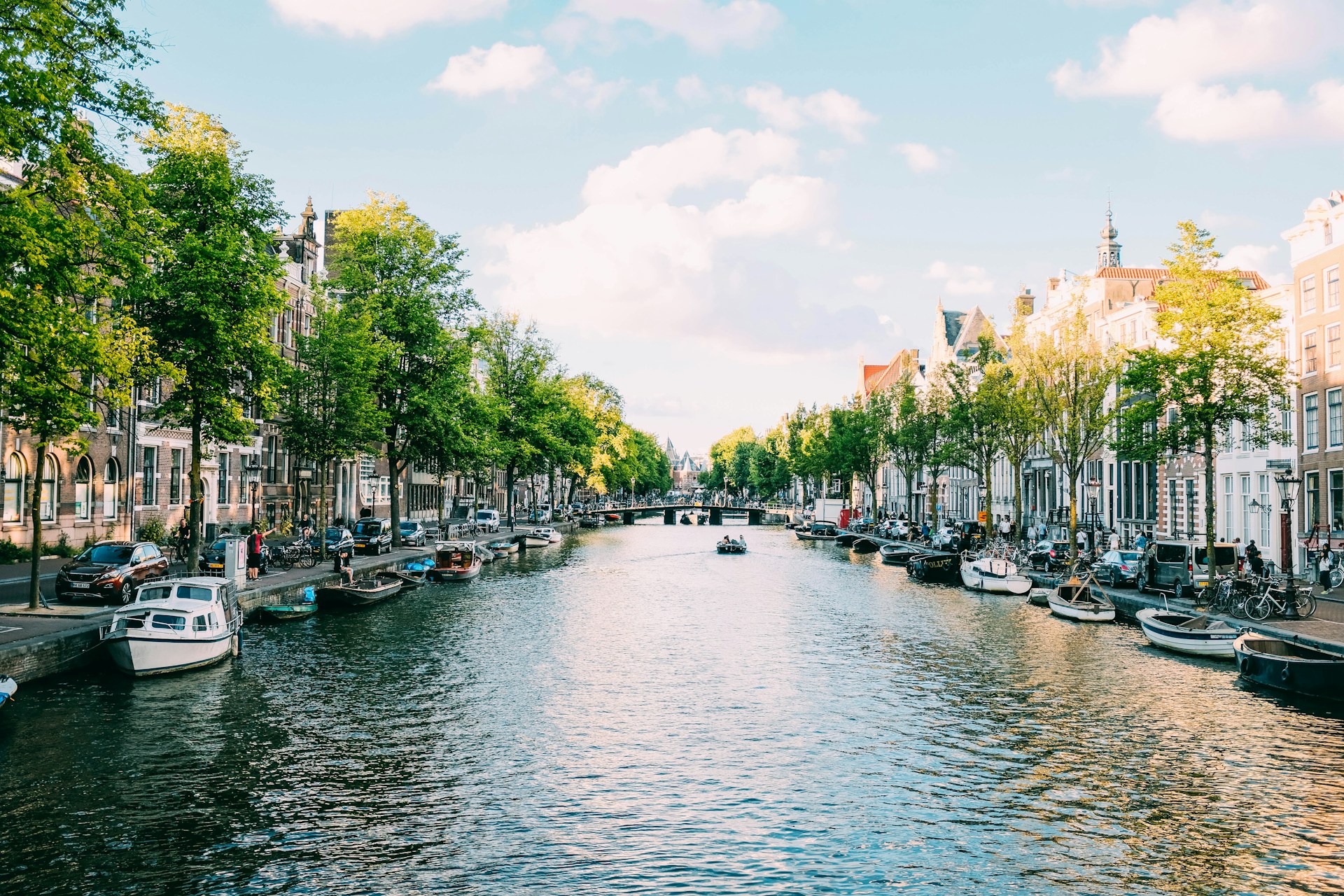
One of the highest tourist taxes is charged in Amsterdam, where the local accommodation fee is around 22 euros. It is calculated as a share (currently 12.5%) of the price of the accommodation
According to the Czech Association of Private Landlords and Accommodation Providers, there were roughly 7,500 shared accommodation options in Prague last year. Properties used for short-term rentals therefore account for a mere 1% of the capital’s housing stock. Even in the extreme case where all flats used for Airbnb or similar services moved onto the long-term rental market, the impact on average rents would be negligible. Experts agree that the key to stabilising the situation is building enough new flats. The supply of housing in Prague has long lagged well behind demand and prices of new flats in the capital are breaking records. You can read about the city leadership’s efforts to ease the effects of expensive housing by building 8,000 rental flats in a recently published article. The Czech property market is likely to see a change in the near future in the form of the involvement of pension funds. You can find out more about their possible impact on the current housing crisis on our blog. We will be happy to show you how to rent out your investment flat in Prague on favourable terms. Through its Partner and Garant services, FLAT SERVICE offers secured rental income, minimal paperwork and all necessary maintenance. If you are interested in professional property management, write to sales@flatservice.cz or call +420 277 000 330.