An amendment to the Act on certain conditions of business and the performance of certain activities in the field of tourism passed its second reading in the Chamber of Deputies this spring. We are currently preparing an article in which we will take a detailed look at how the new rules could affect the entire rental housing market in Czechia. Before that happens, read the current article, which summarises the present situation mainly in Prague and in selected European cities.
A weekend stay
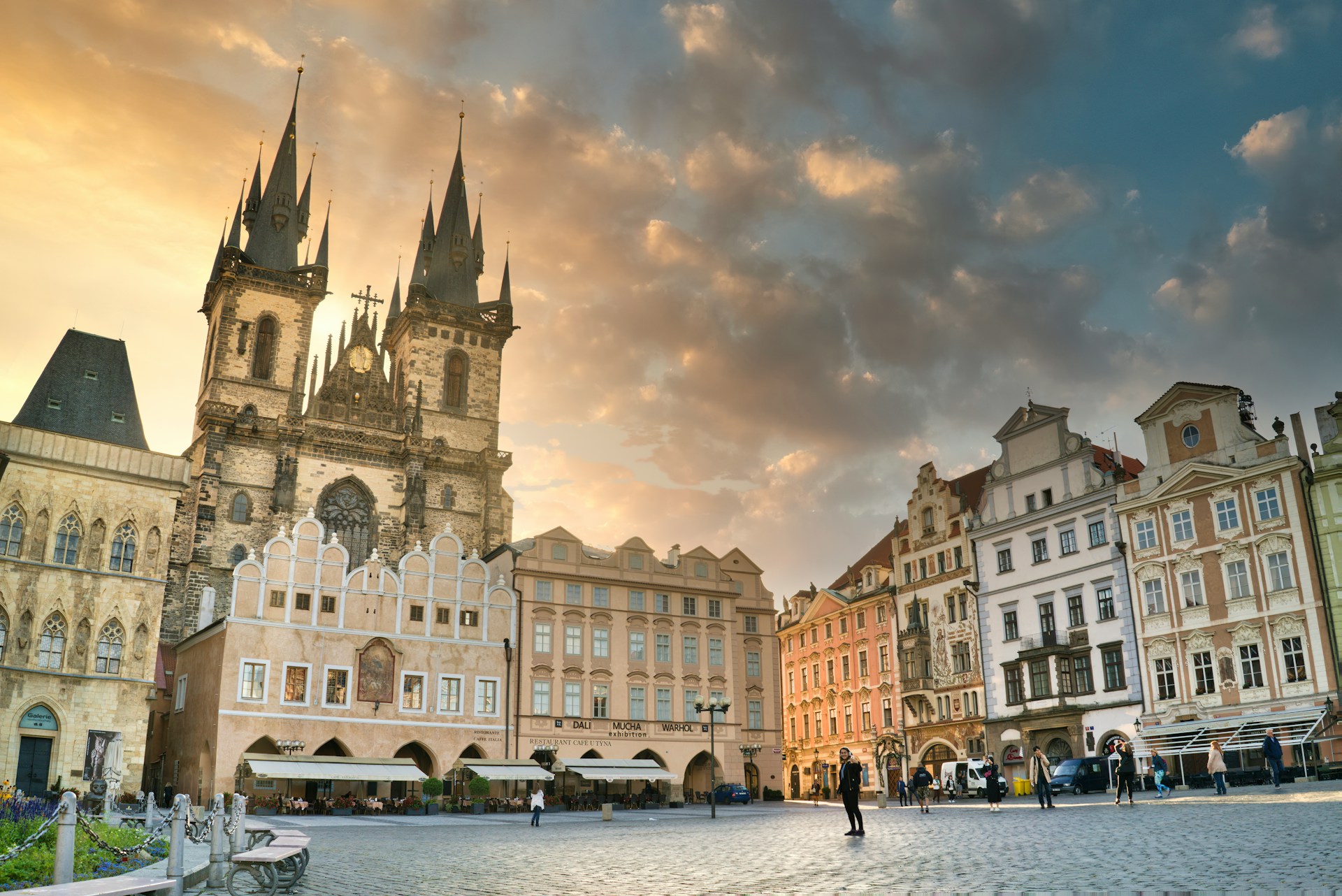
After the slump in travel caused by the Covid pandemic, the number of overnight stays in Prague gradually returned to 2019 levels and last year even exceeded them. According to Czech Statistical Office data, almost 23 million tourists stayed in accommodation across the country last year, spending more than 57 million nights here. Most of them visited Prague, where 8.1 million people stayed in collective accommodation establishments, a year-on-year increase of 9%. Tourists from all over the world are, however, also fond of the alternative option of spending a night or two in a private flat in the historic centre of the capital. According to a study by the Prague Institute of Planning and Development, more than 1.5 million people book accommodation on the Airbnb platform each year. Legislative rules aimed specifically at short-term rentals, however, do not yet exist in this country. For city authorities, short-term rentals represent a challenge, as they typically add to the bustle in historic centres already overwhelmed by tourism. Nor can we overlook the wider impact on the lives of local residents, such as increased noise and mess.
According to data from the Prague Institute of Planning and Development, more than 9,000 accommodation units in the Czech capital were listed on the popular Airbnb platform last year
Airbnb is one of the largest providers of short-term rentals in private homes. Since its founding in 2008, the accommodation listings advertised on the platform have changed considerably. Today, vacant flats in Prague are more often than in the past managed by agencies rather than by the owners themselves. What was once the occasional rental of a temporarily unused room has become a professional business. Most current listings are rentals of entire flats that are available for most of the year. A striking trend of recent years is the growing number of units per host. More than half of all Airbnb listings in the capital belong to hosts who operate five or more units.
Inspiration from abroad
The number of properties rented out for short-term stays is growing worldwide. Because of their many negative effects on locals and long-time residents, they are being restricted in many European cities. Experience from other capitals suggests, however, that stricter regulation of tourist rentals may not deliver the desired effect on the rental housing market as a whole. In Amsterdam, for instance, the host must be a local resident, hold the necessary permit and always publish the listing under their registration number. Under the holiday rental regime, a property may be offered for tourist purposes while the owner is away, but for no more than 30 days a year. The second option is the bed & breakfast service, which can be imagined as shared housing, since the host must also live in the property alongside the tourists. A maximum of 40%, or 61 m2, of the floor area in designated parts of the property may be rented out this way.
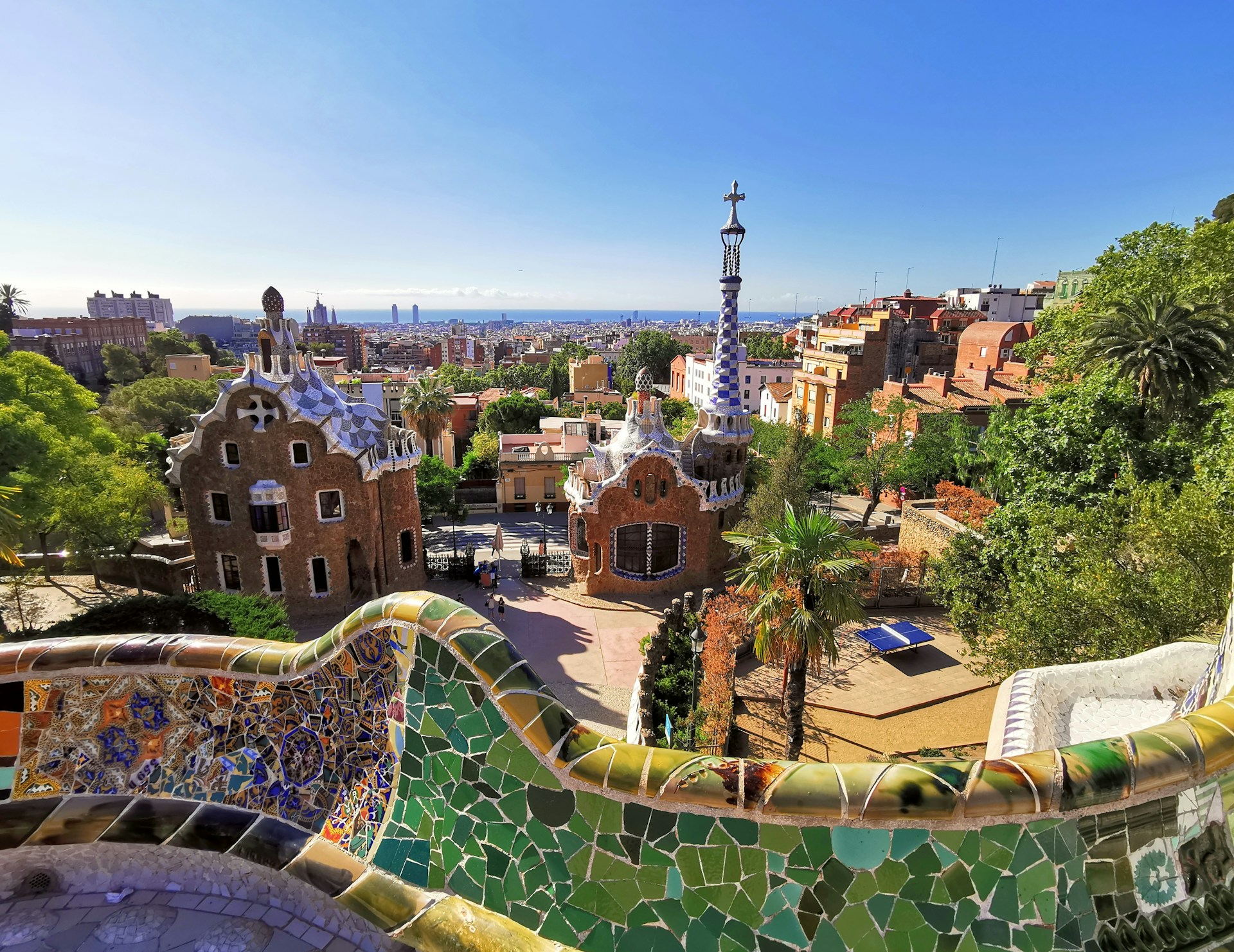
In cities popular with tourists, such as Barcelona and Amsterdam, the regulation of short-term rentals has not had the expected effect
In Barcelona, all operators must likewise register and obtain a permit. The historic core, which is the most exposed to tourism, is subject to stricter limits than the outskirts. At present, any further increase in the number of flats used for tourist purposes is banned in the centre. Although short-term property rentals in Barcelona have been regulated since 2014, rents have risen by more than 70 percent over the past ten years. One of the reasons is, as in Prague's case, insufficient construction of new flats. By contrast, in Warsaw rents are roughly a third lower than in the Czech capital. You can find out in a separate article how Poland has approached the problem of unaffordable housing. Experience from abroad so far suggests that regulating Airbnb is a rather secondary tool in tackling the housing crisis; the key is to significantly speed up the pace of construction and minimise legislative obstacles for developers and landlords. That would bring a larger number of flats onto the market, which in the end could push the price of rental housing down, or at least prevent prices from rising further. In a few days, in the second part of our Airbnb “mini-series”, we will look at how lawmakers view the whole situation around tourist rentals, what they expect from the planned amendment and what its pros and cons are. Do you own a flat in the centre of Prague and are you considering whether to offer it for short-term or long-term rental? At FLAT SERVICE we can offer you a secure income and no worries about the necessary paperwork or routine maintenance. Write to sales@flatservice.cz or call +420 277 000 330 and we will be happy to explain how professional property management and our Partner and Garant services work.