The Polish recipe for affordable housing
In neighbouring Poland, the 2025 state budget will channel 4.7 billion zloty, roughly 28 billion crowns, into housing support. The government decided to earmark a record sum for housing development this year, even though the situation on the Polish property market is far more favourable than ours. The housing crisis has long hit the lower middle class hard – people who work, yet cannot afford to buy their own property or rent a flat large enough for the number of people in their household. At the same time, this group's income is not low enough to qualify for a housing benefit. The Polish government is therefore working on new legislation that will enable the financing of rental housing construction under municipal or cooperative ownership.
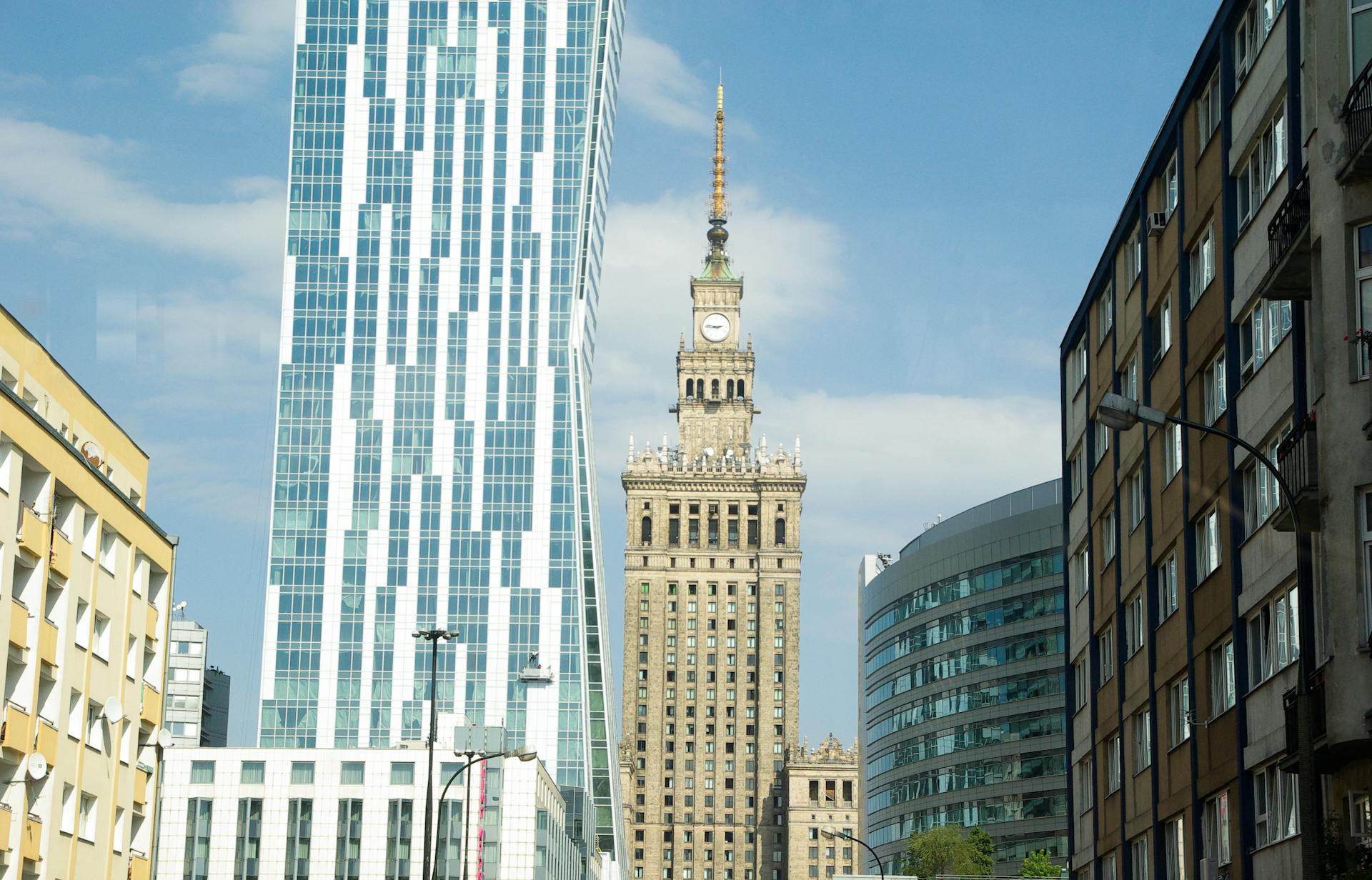
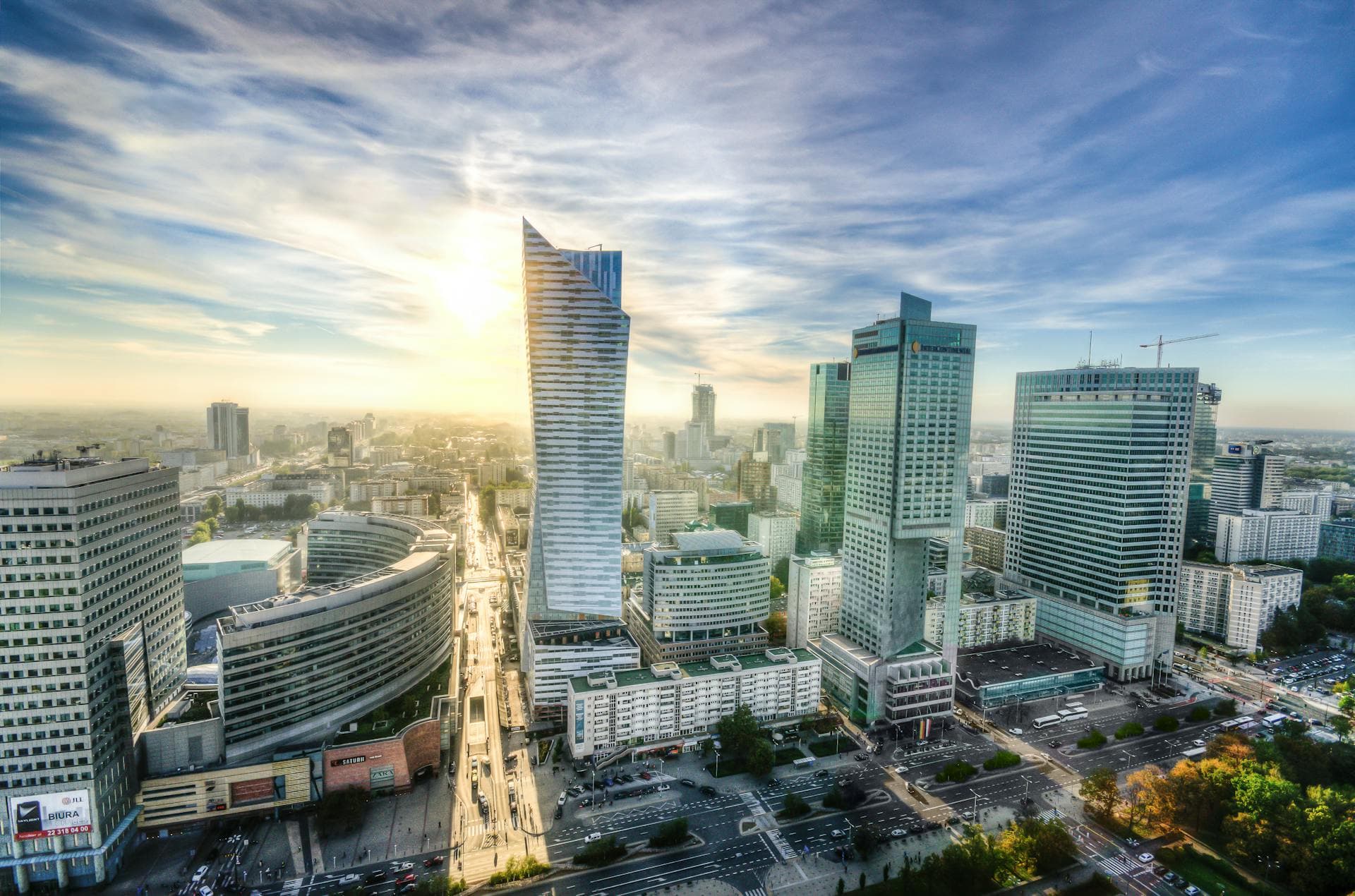
Central Warsaw has changed dramatically in recent years. It is no coincidence that the modern district is nicknamed the Polish Manhattan
Around 2.5 billion zloty (approximately 15 billion Kč) from the 2025 budget has been allocated to a special fund alone, designed to finance the construction of social housing through subsidies. Local authorities or cooperatives will finance the construction of apartment buildings out of their own pockets from only 15 %. Another 20-30 % of the building costs will be covered by a subsidy from the new Social Construction Fund. And the remainder can be covered by a long-term loan at a one percent interest rate from the same source.
Housing support for young people
On the other hand, if you find current mortgage interest rates at Czech banks too high, in Poland they are considerably higher still. Rates on the local market are not around the 5 % usual in the Czech Republic, but as high as 8 %, which earns our north-eastern neighbours the title of the country with the highest interest rates on housing loans in the entire European Union. The Polish government therefore also considered introducing an interest-free loan for young people who need to buy their first flat or build a family house, but in the end it abandoned the idea. A similar programme supporting more affordable housing for young people ran in Poland in 2023. Interest in state-guaranteed two percent mortgages was so enormous that the money set aside ran out unexpectedly quickly and many applicants got nothing at all. This time the government has chosen a different route, focusing on larger housing units for families with children rather than starter flats.
According to data from Deloitte, Poles need roughly eight years of gross wages to buy a flat with a floor area of 70 m2, while Czechs have to set aside more than thirteen
A drop in property prices is on the horizon
How is it possible that property purchase prices in Poland are noticeably lower than in the Czech Republic? A key role is played by the speed of permitting and the volume of construction. Between January and October 2023, for instance, construction began on 133 thousand new flats in Poland, while here it was roughly five times fewer. At the same time, obtaining a building permit in the Czech Republic can be a marathon typically lasting several years, and not only because of the current problems with digitalising the building permit process. In Poland, by contrast, the bureaucratic round trip is more like a “sprint” of a few weeks. Thanks to a simpler permitting process, construction goes faster, builders don't incur extra costs from delays, a larger supply of properties increases competition among development companies, prices are pushed down and housing becomes more affordable. Poland therefore ranks among the countries with the fastest housing construction in Europe, alongside Denmark or France. In Warsaw alone, a city of some 1.9 million inhabitants, one hundred thousand new housing units were completed over the past five years.
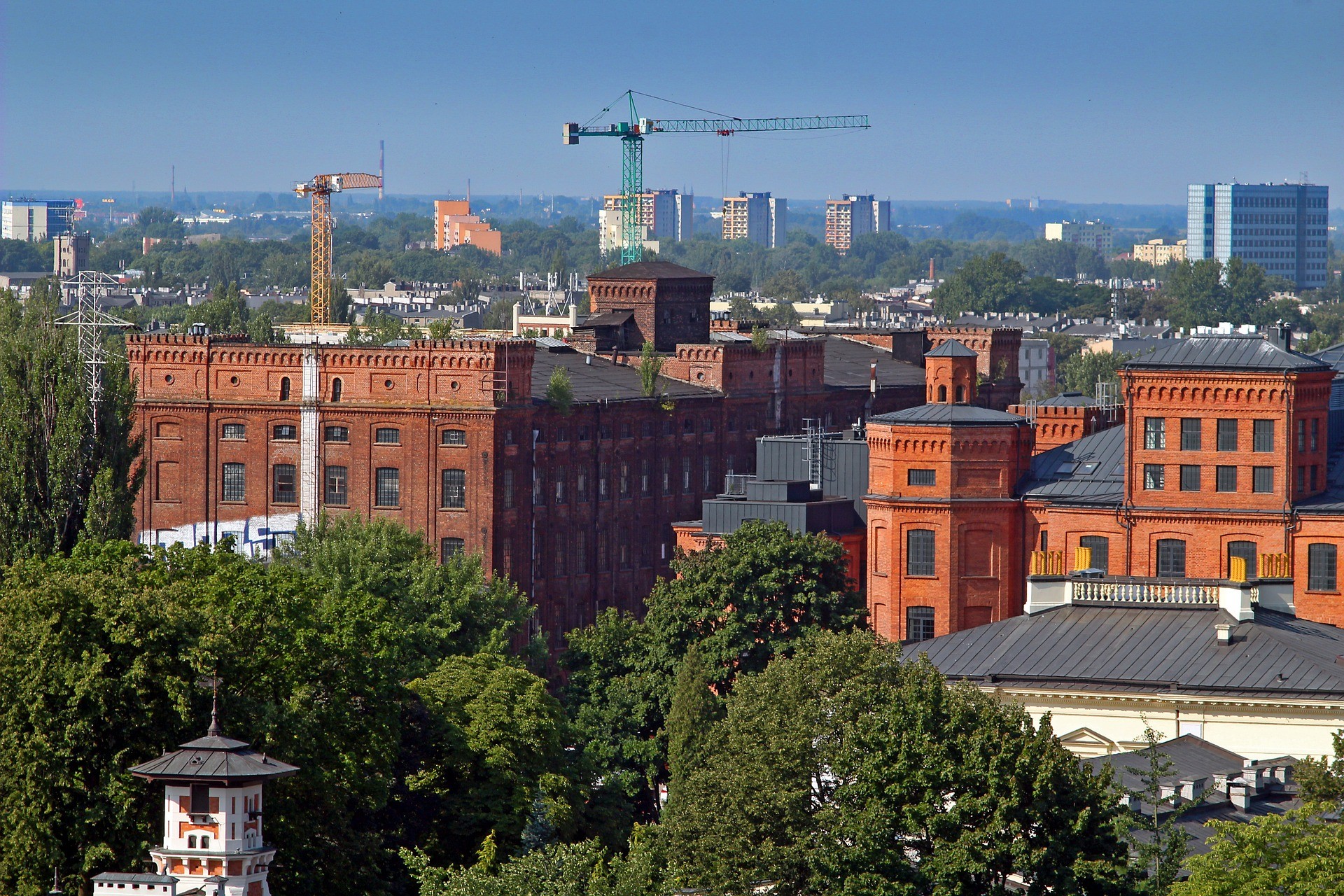
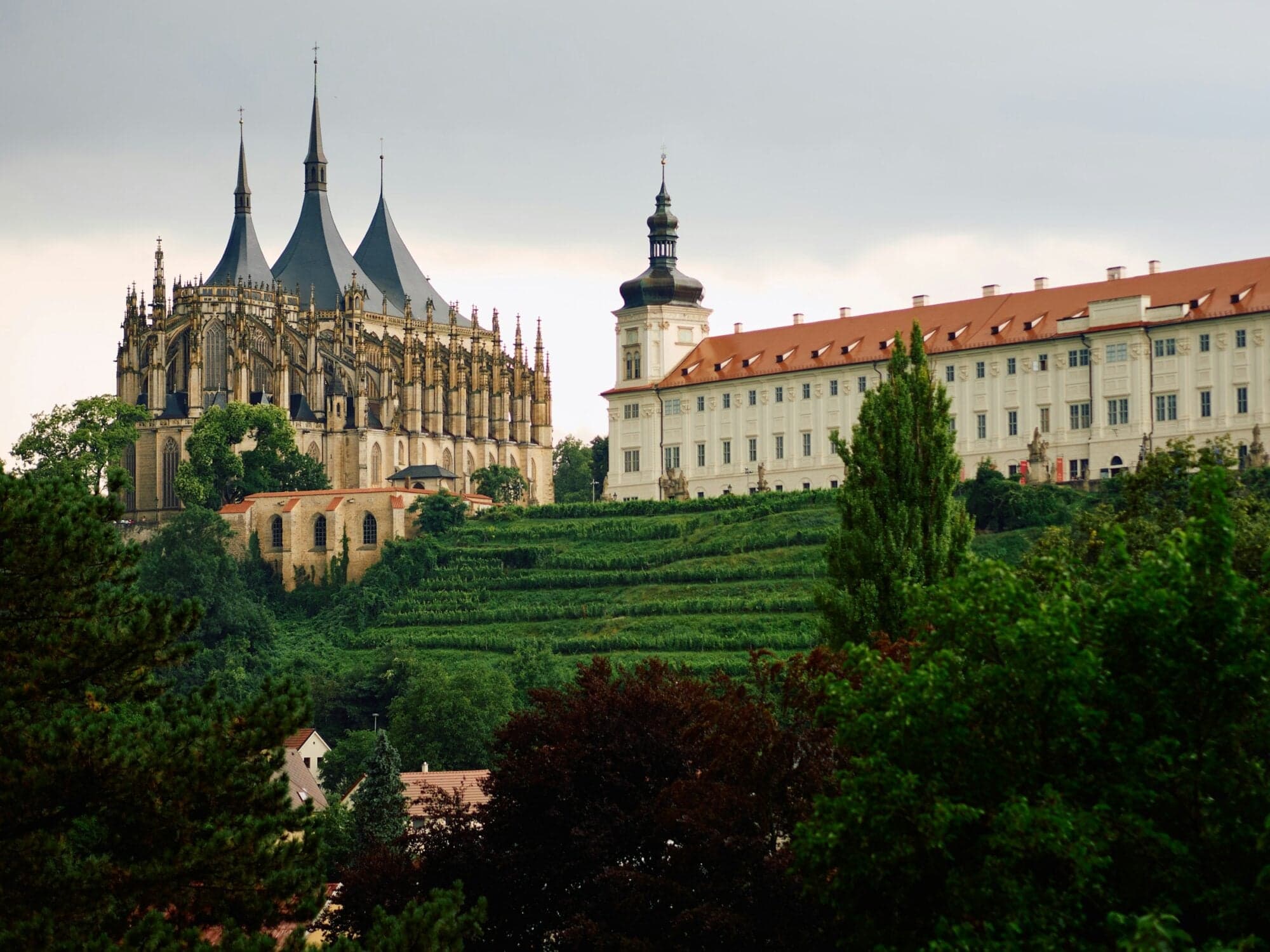
The story of the city of Łódź could serve as a model of a successful transformation from an industrial past into the 21st century. Factory buildings here have been converted into popular lofts and art spaces
In the last quarter of last year an unusual situation arose in Poland, with average property prices starting to fall, and property market experts expect this downward price trend to continue in the first months of this year. Because of expensive mortgages and the construction boom of recent years, the Polish property market has a relatively high number of vacant properties. Developers therefore often come up with attractive incentives such as a fully fitted-out flat for free or a parking space included in the price. In Łódź, for example, once a centre of the textile industry and now successfully revitalised, you can find flats discounted by up to 20 %. Do you own an empty flat that you'd like to rent out, but without the headaches? Call +420 277 000 330 or write to sales@flatservice.cz and leave all the worries to us. At FLAT SERVICE we handle property management professionally and, thanks to many years of experience, we offer our clients comprehensive services – from finding reliable and considerate occupants, through making sure the rent is paid on time, to arranging regular maintenance and dealing with unexpected household emergencies.