The Baltic states on the rise
According to current data from the British company 1st Move International, the best buy for a rental property is in Lithuania. Second place went to another of the Baltic republics – Estonia. The investment score of both countries exceeds 7 out of a maximum of 10. The calculated index reflects the overall return on investment and takes into account, for example, the local property tax rate, the expected gross rental yield, the average tax on it and, of course, the acquisition costs as well as the property’s sale price.
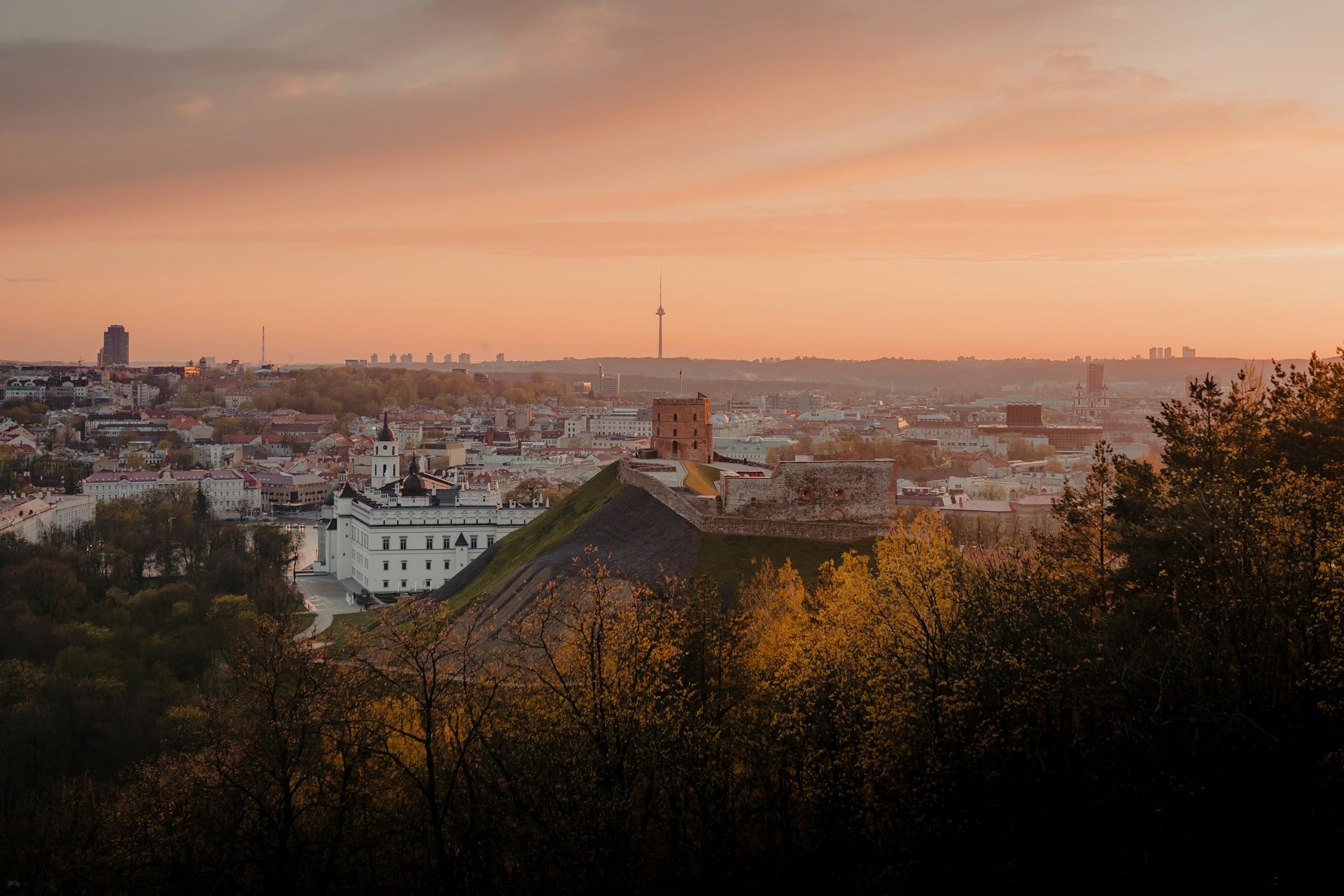
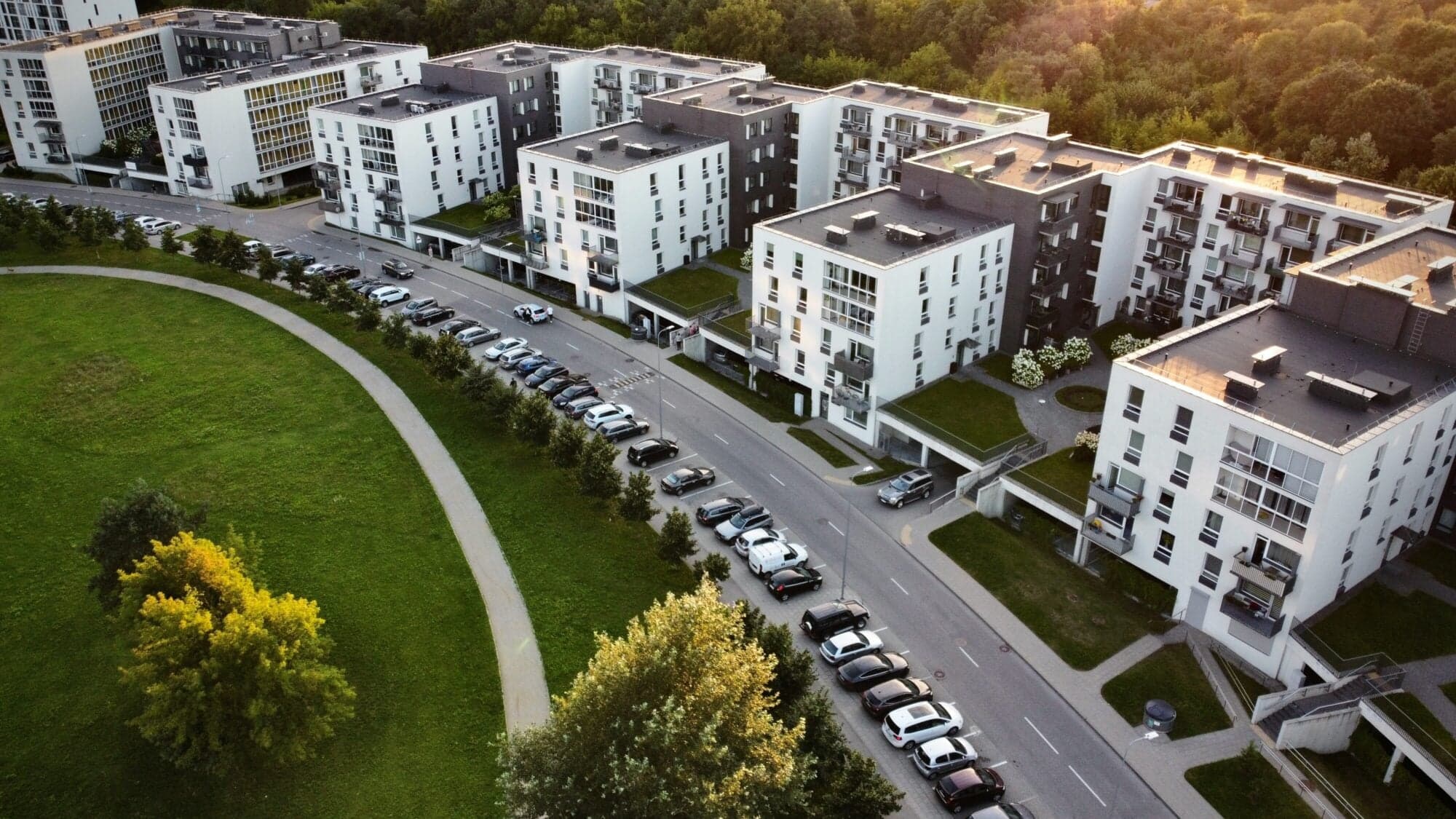
Vilnius, the capital of Lithuania, is considered a great destination for investing in residential property
Property market prices in Lithuania are rising and experts expect this trend to continue in 2025. Along with the value of apartments and houses, rents are climbing quickly too. The annual rental yield on the Lithuanian property market averages 6.4%. Tax on rental income is not high, at 15%. Another major advantage is that foreigners face no restrictions when buying property in the country. Estonia offers investors in apartments and residential buildings similar conditions. Properties there can be bought by foreign nationals as well, and the tax on rental income is set at an acceptable 20%. The gross rental yield is estimated at 4.5% a year. Compared with Lithuania, price levels on the Estonian property market are lower, but property values are also rising sharply year on year. One more brief factual note on the “tax on rental income”. Although that is how it is usually described in Czech, it is in fact a tax on rental profit. In the Czech Republic, the tax base can be reduced either by using flat-rate expenses (30%) or by the costs actually incurred. In practice, in a simplified example, an individual renting out a property in the Czech Republic would not pay 15%, but 15% of 70%, i.e. 10.5%. Similar legislation is of course in place in other countries too. That is why figures on the tax burden in a particular country should always be taken with a pinch of salt and it is better to consult an expert on local tax regulations before buying.
Affordable housing in Romania
But back to investment locations. Third place in the ranking of countries where it is most advantageous to invest in a residential property and then rent it out goes to Romania. Its advantages include a low tax rate on rental income of just 10%. Recently, for example, international investors have shown growing interest in apartments in Bucharest, as local properties are very affordable. It also helps that Romania has become the newest member of the Schengen Area.
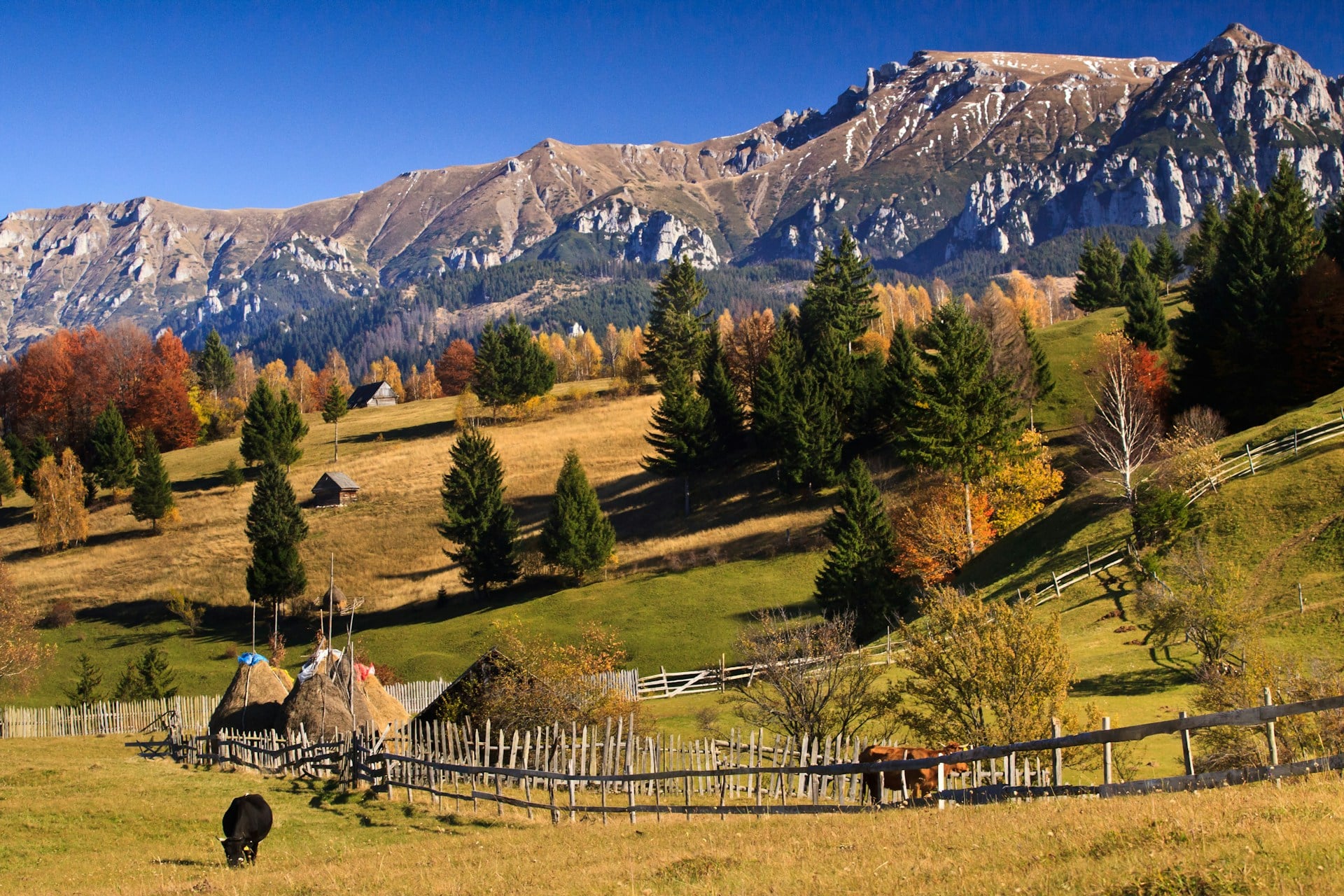
Romanian nature is known for its untamed beauty. But the country also offers favourable conditions for property investors
Fourth place went to Ireland, which compared with the other countries offers the highest annual rental yield (7.9%), but on the other hand also considerable taxation of rentals (40%).
How does the Czech Republic fare?
It may surprise many, but the Czech Republic came in fifth. Other Central European countries such as Hungary and Poland also offer interesting investment opportunities, combining relatively high rent levels with lower average taxation of rental income. If you want to find out why housing is significantly more affordable for Polish families than for Czech ones, read the article on our blog.

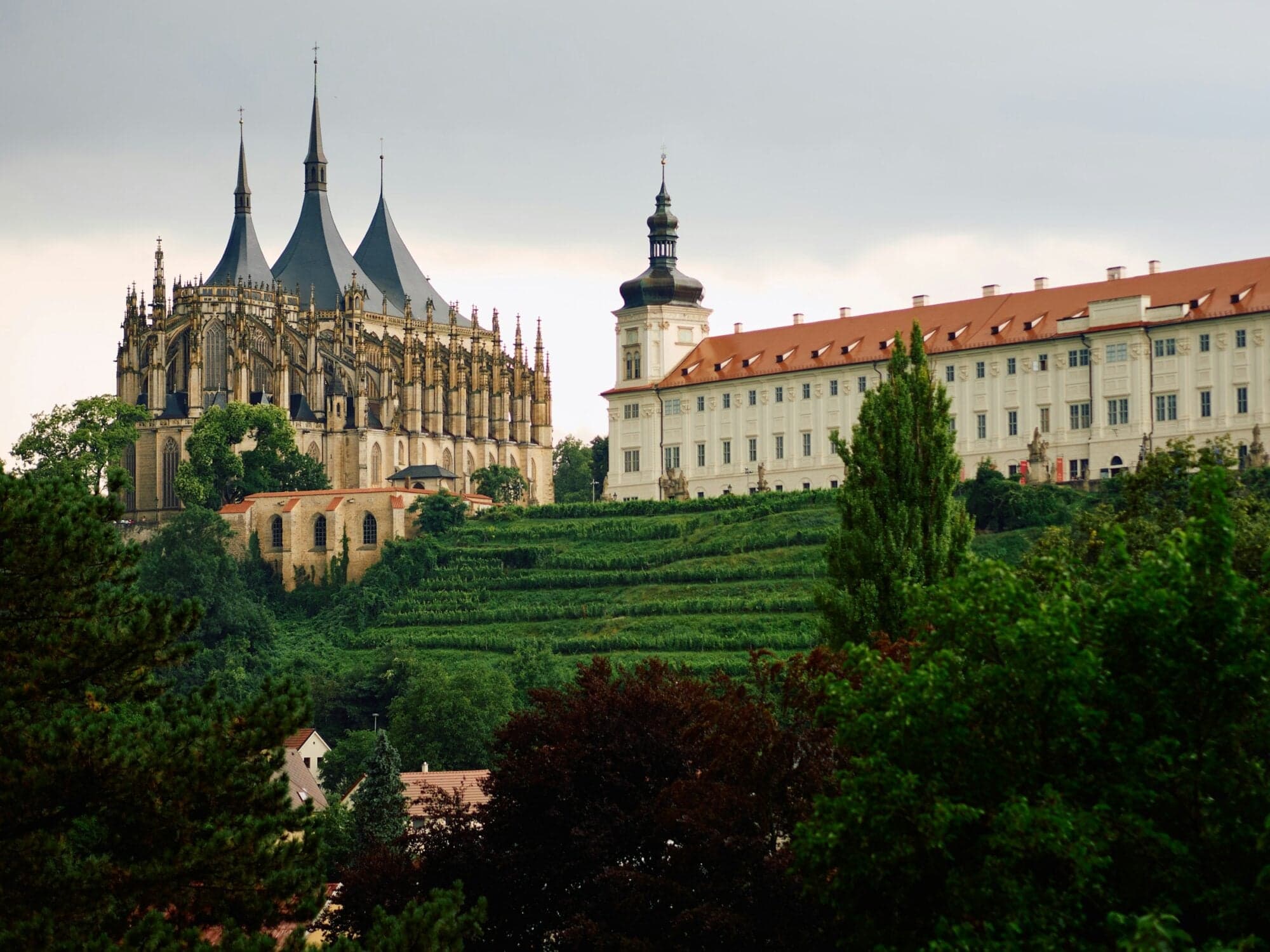
Experts rate Kraków, for example, as attractive: a city with a rich history that is not afraid of modern development either. Demand for rental apartments in this lively city is enormous
And which European countries, on the contrary, need not be considered as a suitable location for buying an investment property? Last place in the ranking by 1st Move International went to Belgium. The local government puts investors off mainly with its enormous tax on rental income of up to 50%. The exact rate is always determined on the basis of the agreed monthly rent, but even the minimum levy is 25%. Transaction costs associated with Belgian properties are also among the highest in the European Union. The second worst return potential is offered by apartments and houses in France, where both the acquisition and rental costs are high. Have you bought an investment property and are now dealing with renting it out? Get in touch with us! Write to sales@flatservice.cz or call +420 277 000 330 and we will arrange cooperation exactly according to your needs, so that you don’t have to worry about anything extra. At FLAT SERVICE, we have many years of experience in managing residential properties and we will be happy to take care of renting out your new apartment.