The growing popularity of working from home, or the so-called home office, has been a phenomenon of at least the past decade. The covid-19 pandemic, however, significantly accelerated the move of people from offices into their own homes. And although some companies – for example those owned by American billionaire Elon Musk – have tried hard to get employees physically back into the office, the trend of working from anywhere and at any time is simply relentless. For owners of commercial properties and developers who have so far focused mainly on office construction, this is of course a major challenge, often even an existential one. Some have tried to convert parts of their buildings into coworking spaces or shared offices. But the collapse of WeWork, one of the global leaders in coworking, has shown that in most locations this is not the way forward either.
Prague versus the world
Companies around the world are trying to save enormous sums of money on renting space. They are cutting the number of workstations and introducing shared desks, which employees take turns using as needed. And that even in sectors that in the past took a rather rigid view of the idea.
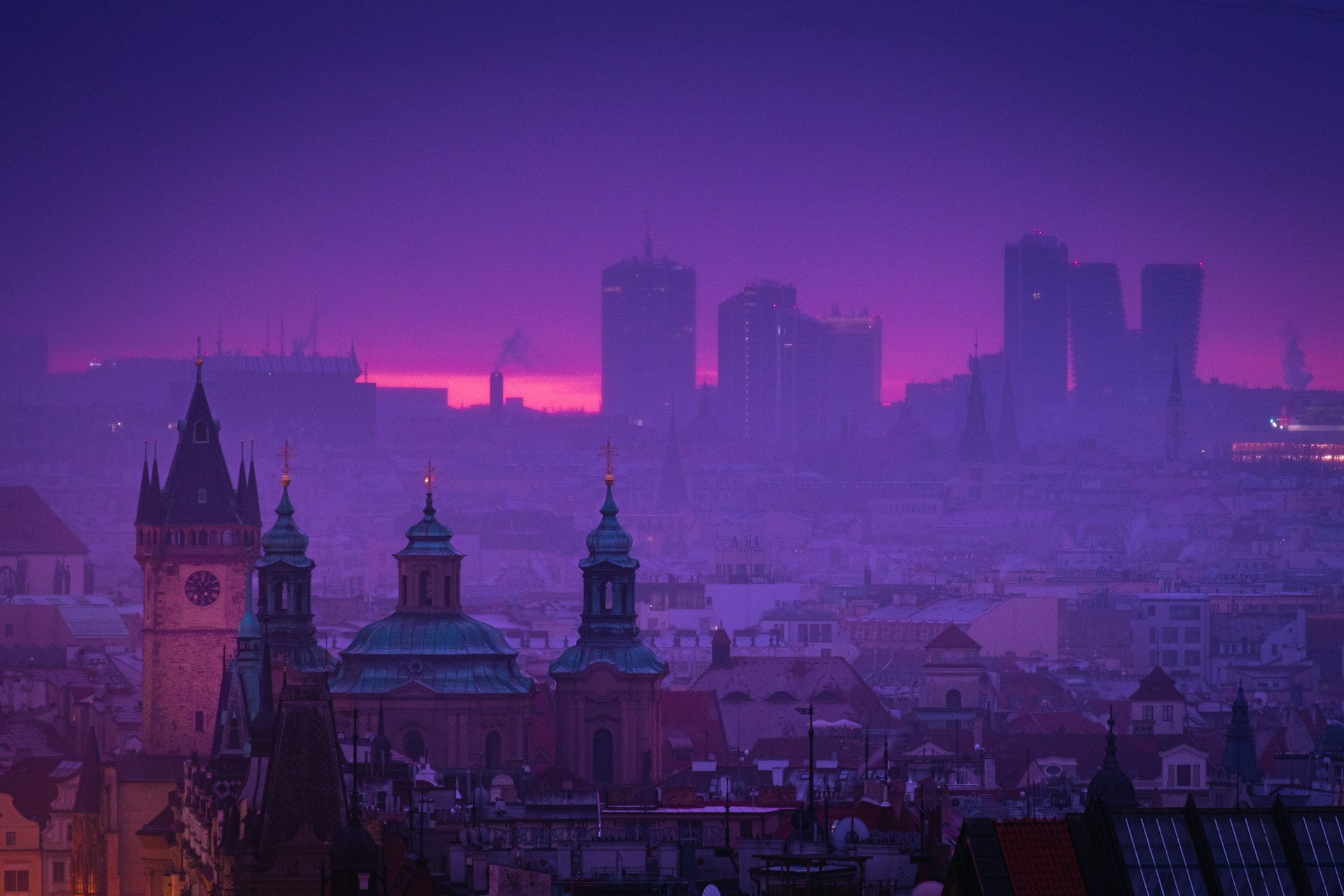
Demand for “office space” that is at best stagnating is forcing building owners to act
At the end of last year, the consultancy Cushman & Wakefield published a report according to which 47% of office buildings in Prague are outdated. For corporate clients, and ultimately of course for their employees, they fail to provide the comfort matching the standard people expect as we step into the second quarter of the 21st century. And that is without taking into account the fact that a large share of commercial space in the Czech Republic was only built after the Velvet Revolution. The proportion of outdated offices is therefore very similar to that in other countries and capitals of the Visegrád region (Budapest or Warsaw). In many cities in Western Europe, by contrast, the share of substandard offices reaches up to 80%.
The pressure of ESG standards and financial institutions
At the same time, in a number of Western European capitals housing prices and demand for housing have risen enormously in recent years. And so investors are discovering a potential gold mine in converting commercial space into residential. Of course, this is not possible everywhere, given the layout of the space, the transport links of the location or legislative restrictions. However, in projects that have undergone such a redevelopment, there is considerable interest among people in living in atypical loft-style or duplex apartments, which differ significantly from classic new residential buildings. For individual and institutional real estate investors, this can be an exceptionally interesting opportunity to expand their portfolio with apartments that have a distinctive character and an unmistakable genius loci.
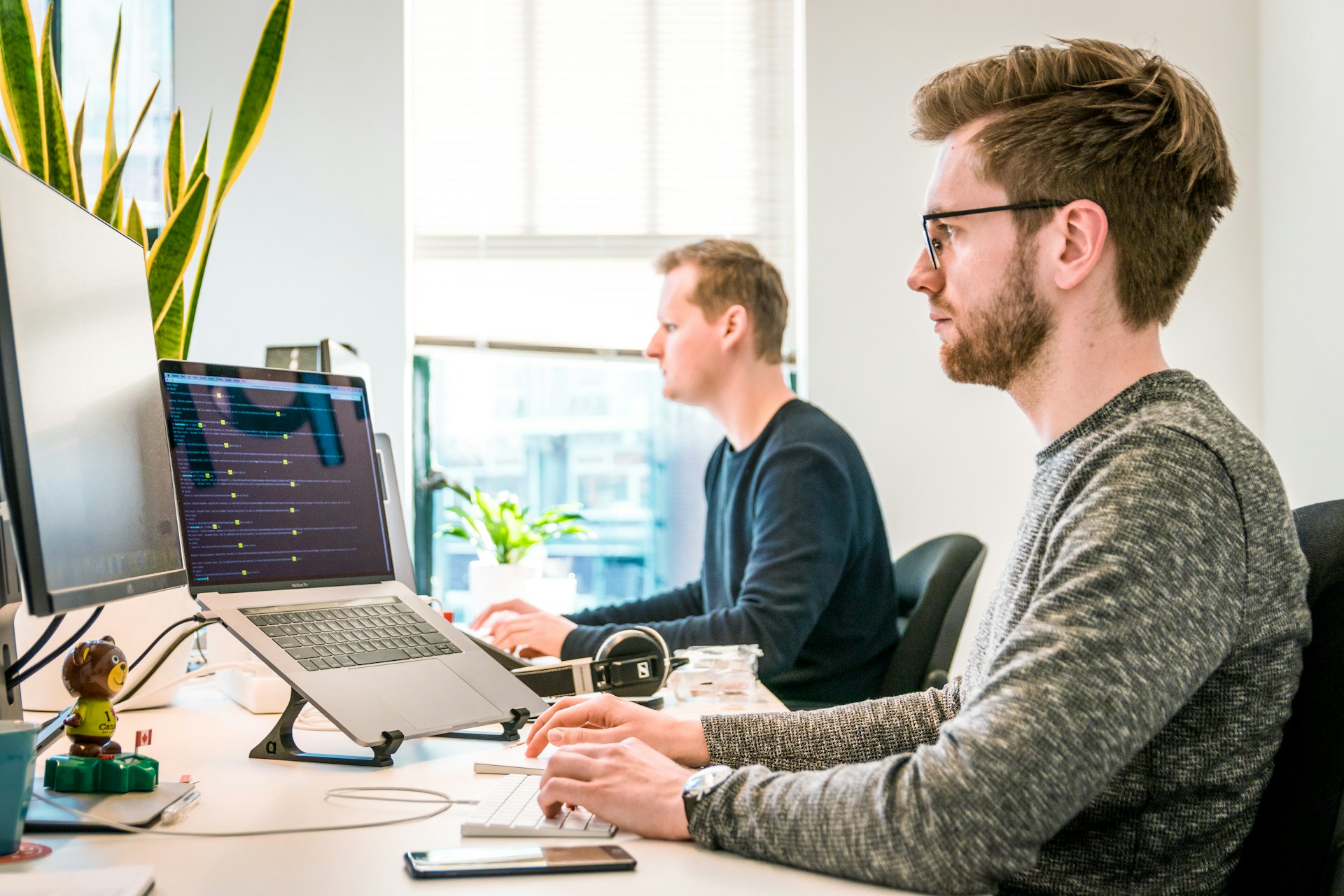
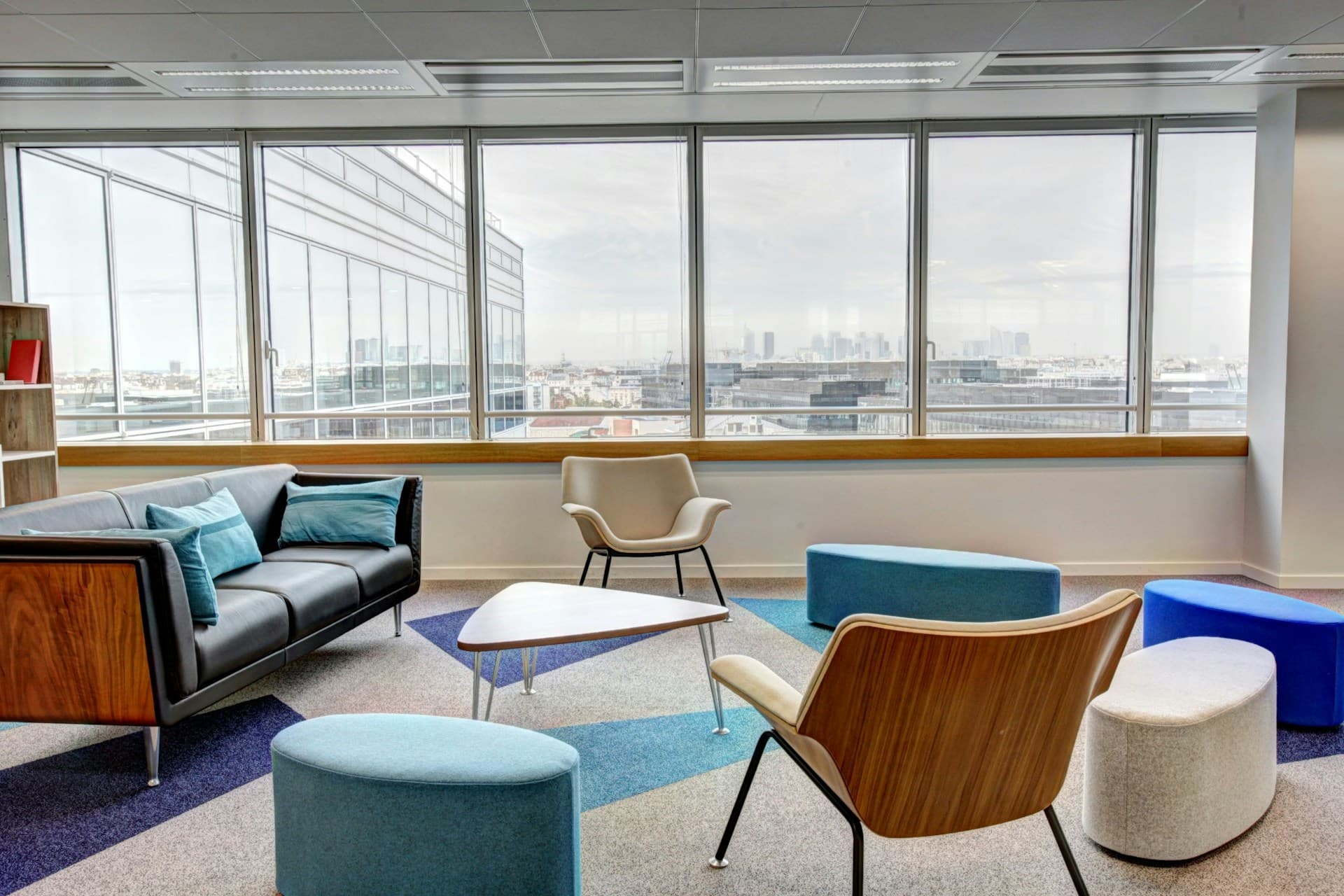
Members of the alpha and beta generations may know the typical office only from period films and series
Owners of commercial buildings will in any case have to address their situation fairly quickly. As early as 2028, all buildings owned or used by public authorities are to have zero emissions, from 2030 strict environmental standards will apply to all new buildings, and in 2050 climate neutrality will apply to absolutely every building (you can read more about the topic on our blog).
Modřany, Holešovice and Žižkov in a new guise
What examples can we see in Prague right now? The renowned company KKCG Real Estate, for instance, has started converting the Chirana office building in Prague 4 – Modřany. The revitalisation will create more than 180 residential units in the Meta Modřany project, and the company plans to build more in the coming years.
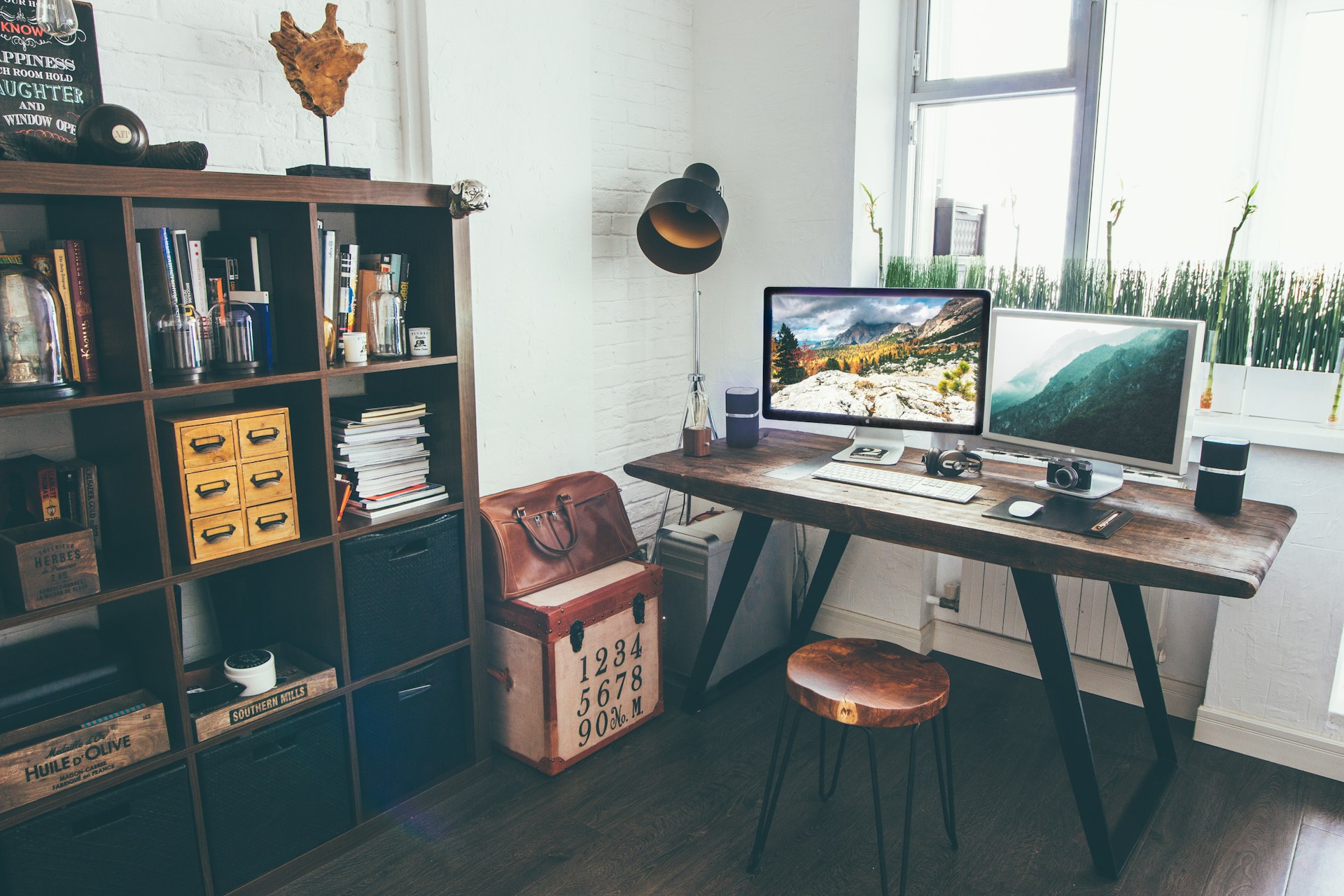
While in the past it was common for many people to have their home at the office, today it is more typical to have an office at home
The SoHo project in Holešovice also combines revitalisation with new construction. The former TESLA Holešovice plant building, which in the past served as office, production and storage space, has been transformed into luxury apartments. On the ground floor you can find, for example, the Form Factory fitness centre and the popular bakery Naše Toustárna, so after its conversion this place has come to serve the people living in the immediate neighbourhood far more as well. In the coming years the unsightly car park will disappear and the company will complete the entire block, including a new shopping street following the existing tram line on Dělnická Street. A very similar future most likely awaits the Trade Unions House, which the residents of Žižkov probably know better as Radost. The highly distinctive functionalist building by architects Karel Honzík and Josef Havlíček served after the revolution not only as offices, but also as doctors' surgeries, storage space, a restaurant, a cinema and, to a limited extent, as residential space. The award-winning studio QARTA Architektura has designed its conversion into a multifunctional, but predominantly residential, complex with almost 700 small apartment units intended for rent. Do you have an interesting property in your portfolio that you would like to offer for rent? And have you considered joining forces with a professional manager who will find you a solvent tenant and take care of all the administrative matters, routine maintenance and repairs? Then we will be glad if you call us on +420 277 000 330 or send a message to sales@flatservice.cz. Flat Service, with many years of experience in renting properties in Prague, is here for you.