The European directive on the energy performance of buildings
Under the directive approved by the European Parliament this spring, all new buildings owned, operated or used by public authorities must have zero emissions as early as 2028. Two years later, environmental standards will apply to all new buildings. In the final phase, planned from 2050 onwards, climate neutrality will apply to every building – including those already standing (with the exception of historic monuments). It is this deadline, however distant it may seem, that is probably of greatest interest to households and property owners. The Ministry of Industry and Trade is currently working on transposing the directive into Czech conditions. Specific measures and the precise rules on how to reduce the energy performance of buildings to a zero-emission standard are for now in the hands of expert groups. An interesting question is how European regulation will be reflected in property prices, which remain relatively high in the Czech Republic. According to experts, any price changes will depend primarily on the form of transposition we choose – in other words, on the local laws that will implement the new European standard into Czech legislation.
Climate-neutral in just 6 years
Yet green principles are hardly a novelty. For many development projects, long-term sustainability and limiting environmental impact are already a priority. The responsibility criteria known by the acronym ESG (Environment, Social, Governance) play an important role in construction when banks decide whether to finance individual projects. So-called green construction is also popular with customers, who often look for housing that reflects the wider social trend of returning to nature and protecting it with the help of modern technology. Many buyers now consider wiring prepared for photovoltaic panels, or a charging point for an electric car in the garage, to be the minimum acceptable standard.
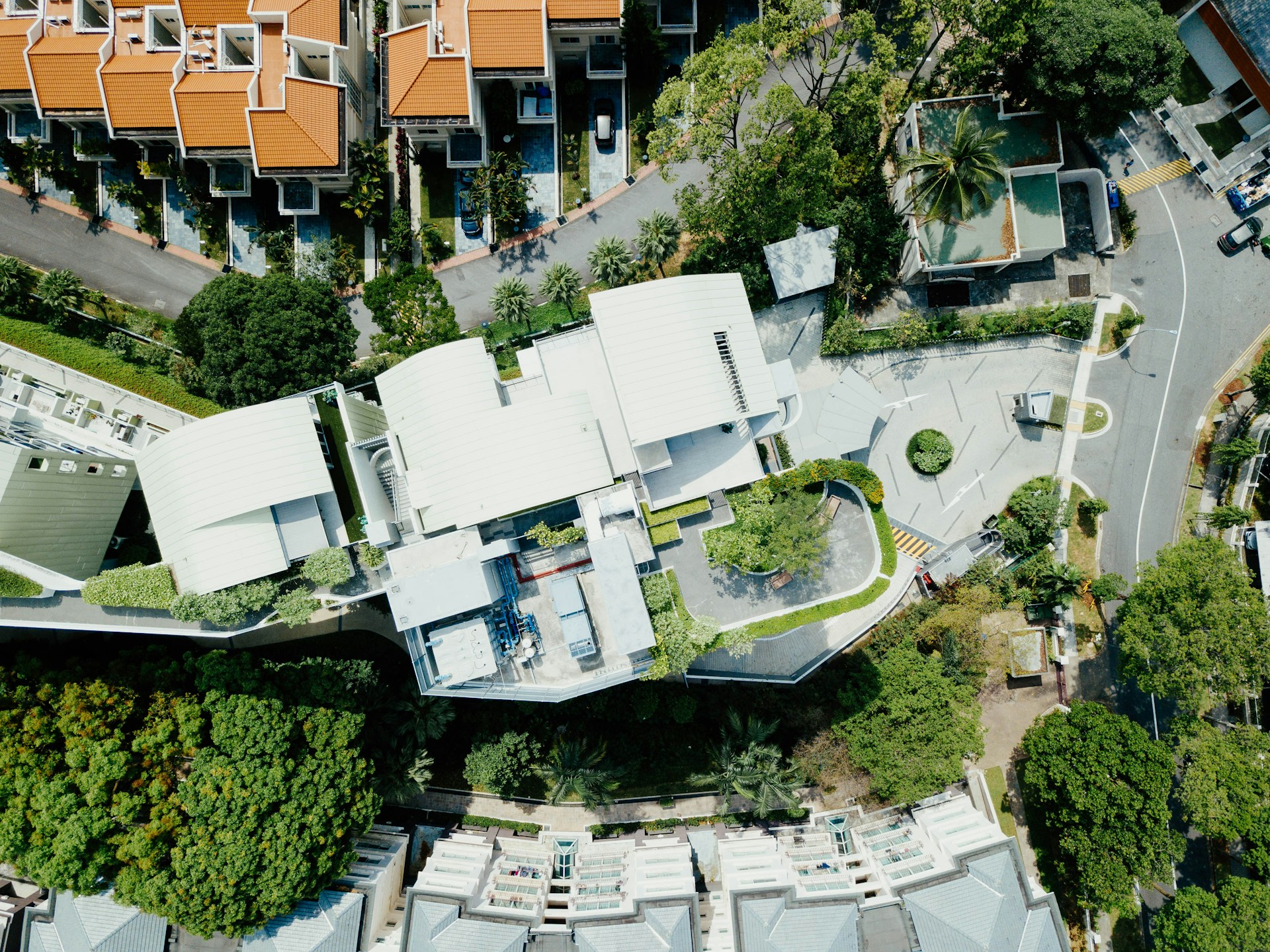
Modern buildings don’t forget about nature. Green courtyards are a pleasant place to sit, and trees are an effective way to bring down temperatures in the height of summer
After 2030, however, efforts to cut the carbon footprint of construction and to run households economically will no longer be voluntary, but mandatory. Architects, developers and investment companies are therefore thinking hard about how to meet the new requirements and gain a competitive edge. This opens up plenty of scope for approaches that are more environmentally friendly thanks to new technologies.
Photovoltaics and rainwater across the board
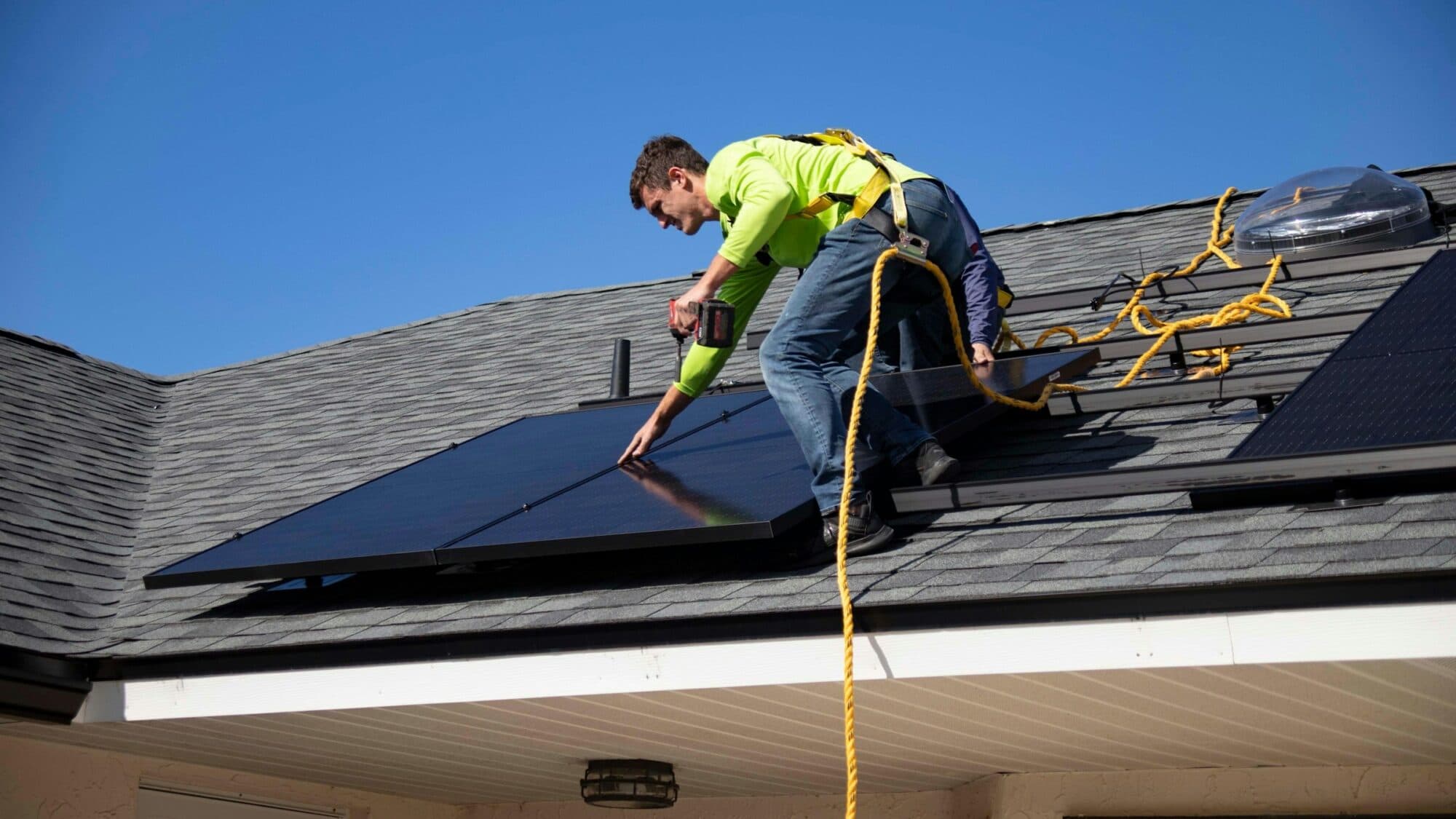
For anyone looking to buy a new flat or family house, the pressure on energy performance may well mean higher build quality. Innovations that property sellers now advertise as a huge benefit will probably become the standard in residential construction in future. Roofs covered with photovoltaic panels generating electricity from renewable sources, triple-glazed windows preventing needless heat loss, exterior blinds to keep homes from overheating in the summer months and heat recovery units for efficient controlled ventilation will be features that climate-neutral buildings simply cannot do without.
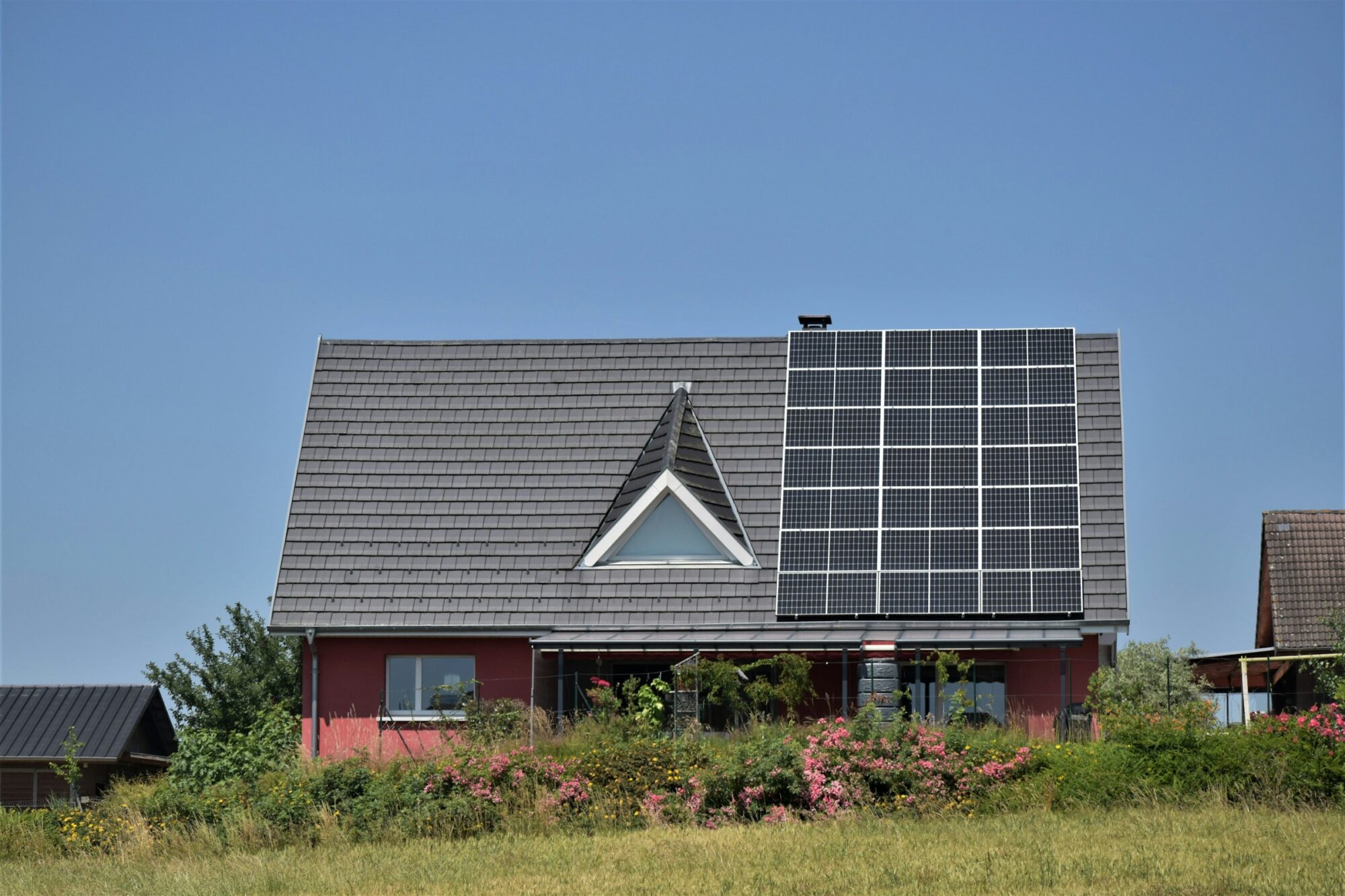
In time, older buildings will have to adapt to the new requirements too. According to estimates by the Minister of the Environment, making them greener will cost 1.5 trillion Kč
Consumption of drinking water, the preservation of which is crucial for life on Earth, can be reduced by well-designed rainwater harvesting systems. The water can then be used to irrigate gardens or flush toilets. An interesting innovation that goes a step further is waterless urinal technology with zero water consumption. Reused building materials will also be a matter of course – recycled aggregate or recycled concrete, for instance, which help keep the circular economy running. The professional managers at Flat Service don’t mind whether you have a vacant older property or a new flat packed with technological extras. In both cases, they will be glad to help you arrange a profitable rental. Just call +420 277 000 330 or email sales@flatservice.cz and our experts will find a suitable tenant, draw up a tailor-made contract, take care of routine maintenance and keep an eye on regular rent payments. And you can enjoy complete peace of mind.