This deepens a trend that has gradually been arriving from abroad. Property is a stable and proven investment, both for individuals and for various funds and other legal entities. And it is precisely these that, according to the latest data, are buying up ever more flats in the capital.
Cooperation between residential developers and investors
For properties acquired up to 31 December 2020, a time test for exemption from income tax of 5 years applies; from 1 January 2021 it was extended to 10 years. It turns out, however, that investors have no problem holding property for that long. The Czech market is growing steadily and, over the long term, returns are fairly attractive, and all this at a very low level of risk. Setting an investment horizon is nevertheless quite an individual matter. Institutional investors have substantial capital at their disposal, which increases the overall volume of transactions and market liquidity. Ultimately, this helps to support development projects. Put simply, slightly more gets built than would be the case if properties were bought only by end clients looking for a home.
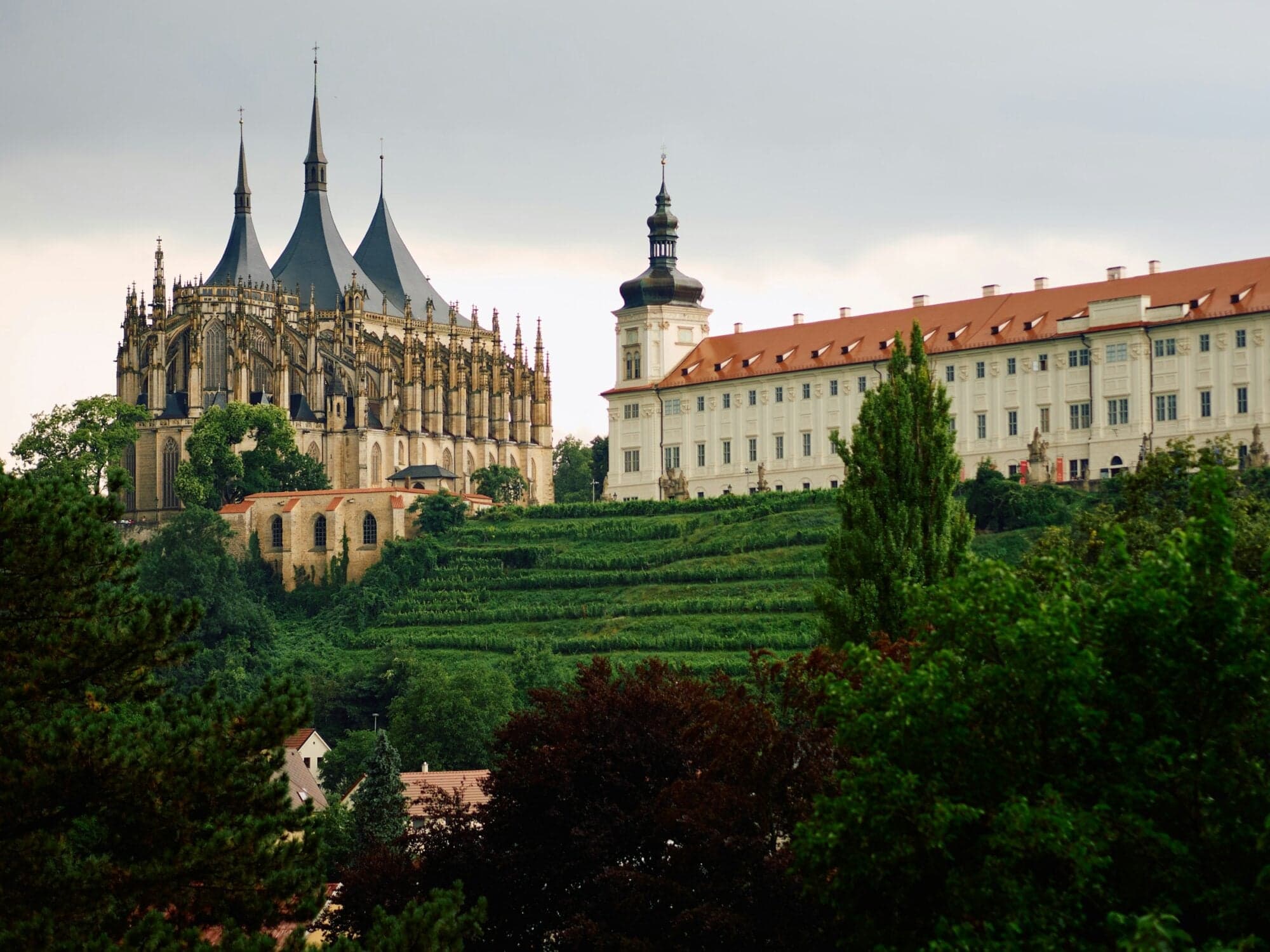
Prague currently offers a number of interesting projects, often on former brownfield sites in the wider city centre
For developers, this is a welcome opportunity to sell more flats at once at a price that is lower, but still acceptable. An institutional investor typically buys either an entire apartment building or, for example, a functionally separate part of it – a single entrance or floor. This makes it possible to achieve future savings on management and maintenance costs. It is not unusual for big players to acquire a whole street of family houses, the rental of which is also booming, especially in the outskirts of Prague and in the Central Bohemian Region. As a rule, the closer to the airport they are, the better.
People are staying in rented housing longer and longer
According to critics, the growing share of institutional investment drives property prices up, and thus deepens the problem of housing affordability. The situation is currently the subject of intense debate above all in the United States, where Democratic legislators have even proposed the Stop Wall Street Landlords Act (2022) and the End Hedge Fund Control of American Homes Act (2024). Nationwide in the USA, the share of institutional investment is similar to that in Prague, around 18%. Notably, American investors are most interested in low-cost projects intended for low-income groups (26% of all sales). As the market changes, the socioeconomic profile of tenants is also undergoing a marked transformation. Ten or twenty years ago it was common in the Czech Republic for rentals to be rather short-term in nature. Tenants were typically groups of students, workers from abroad, people going through a divorce or young couples building their own home. Today, however, it is no longer unusual for a person to spend almost their entire life in a single rented flat, including starting a family. According to current figures, a full quarter of Czechs live in rented housing – you can read more in a separate article.

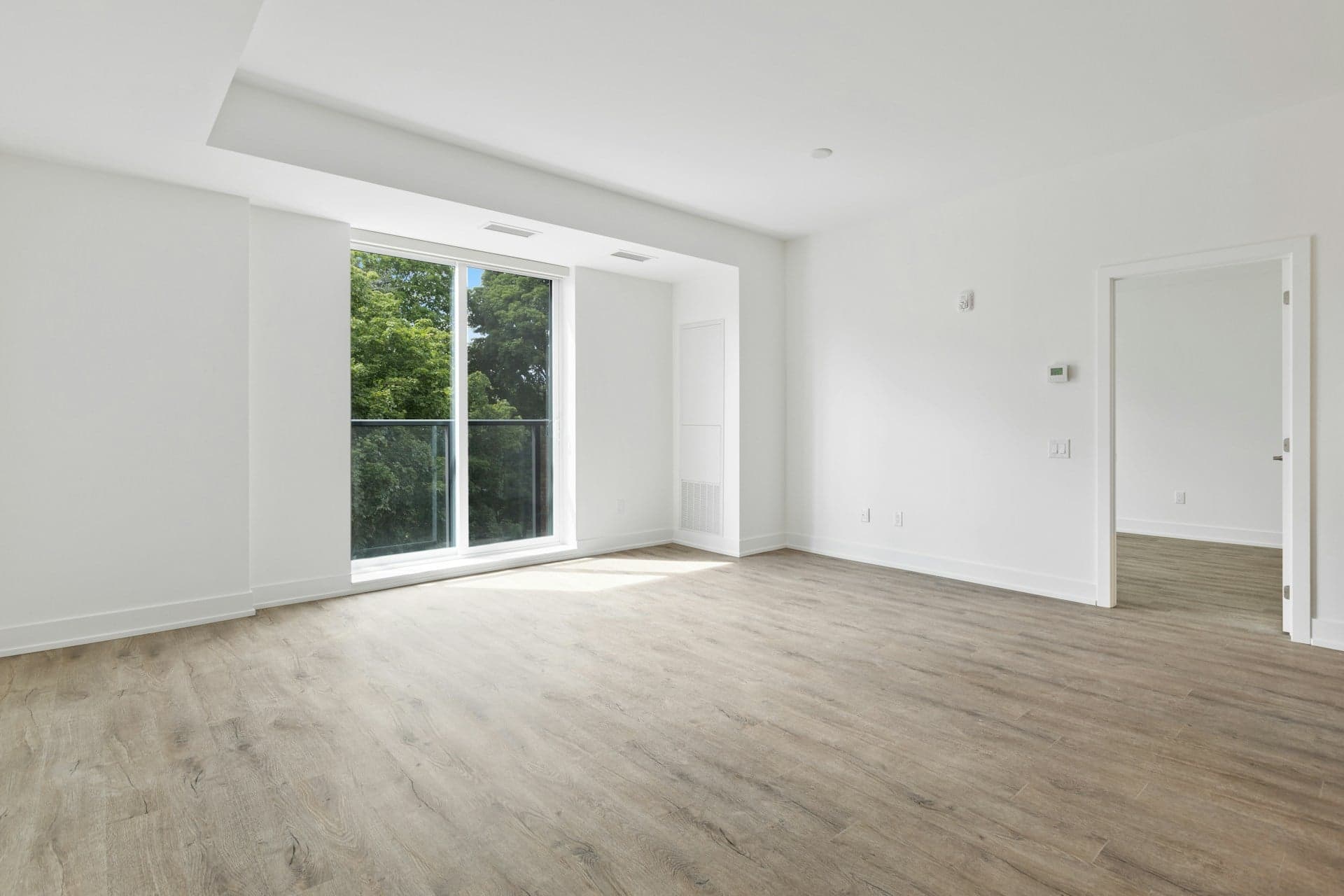
Starting a family in a rented flat? In many locations this was once almost unthinkable; today it is entirely standard
The long-term nature and stability of the tenancy is of course good news for prospective investors. Most of them are willing to pay their weight in gold for a quality tenant who sends the money on time and treats the flat as their own. A bad one, on the other hand, can turn into a proverbial nightmare. How do you choose the right one? Get advice from people with almost 15 years of experience on the market. Are you considering buying an investment property, or do you already own one? And would you like to have reliable tenants and a partner who will take care of all the paperwork and maintenance for you? Then don't hesitate to contact FLAT SERVICE. Call us on +420 277 000 330 or write to sales@flatservice.cz and we will be happy to explain how everything works, after which we will come and take a look at your flat.