
A notarial deed with consent to enforceability is a legal instrument that owners of rented flats can currently use to secure their rights in situations where a tenant fails to meet their agreed obligations. The direct enforceability clause thus serves as effective protection against potential problems with a tenant. Recovering unpaid amounts or evicting an occupant from the property is possible thanks to it without a court ruling.
How does the clause protect a flat owner?
The main purpose of a notarial deed with consent to enforceability is to protect the flat owner against non-payers. If tenants fail to pay the rent by the set date or in the agreed form, the clause allows the property owner to start recovering the debt quickly. It is, in effect, a contractual enforcement title equal in force to an enforceable judgment on the basis of which execution proceedings can be carried out. The second situation in which a direct enforceability clause can significantly help the owner is a tenant who, once the lease has ended, refuses to leave the flat. Here, too, the clause works as an enforcement title, so the owner can go straight to a bailiff to have the tenant evicted without having to go through lengthy court proceedings and the considerable costs involved.
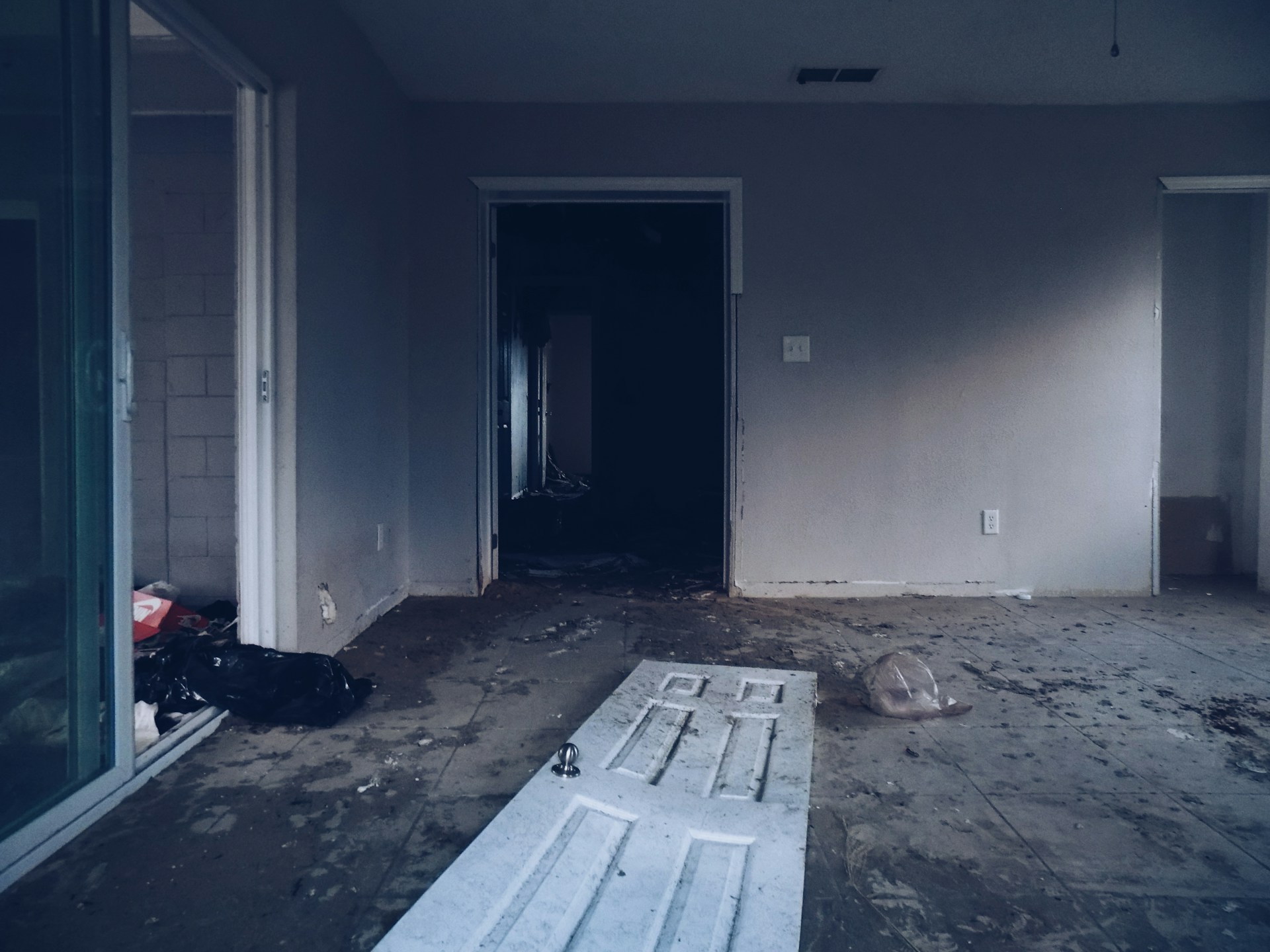
A direct enforceability clause helps the owner evict an unreliable tenant before they wreck the flat
At the same time, the direct enforceability clause also has a preventive function. A tenant will usually do their utmost to meet their obligations when the threat of direct enforcement hangs over them. Its presence in the lease agreement also immediately deters applicants who might intend not to fulfil their obligations.
How does the clause work in practice?
A direct enforceability clause can be part of the lease agreement or form a separate document. The ideal solution is to sign the clause together with the lease agreement when a new occupant moves in. In that case it should set out clearly defined conditions under which the owner may invoke the clause. If the property is already occupied, you can propose a separate agreement with consent to direct enforceability to the tenant. The fact that it is signed later and is not part of the lease does not change how it works. Naturally, both parties must agree to it, which can be a problem once the tenant is already living there. Consent to enforceability is a public instrument drawn up by a notary. It is therefore necessary to visit a notary’s office in person, where the deed will be executed. You need to bring identity documents with you. By signing the clause, the tenant undertakes, for example, that if they stop paying the rent under the terms agreed in the lease agreement (typically they start falling behind with payments) and fail to settle the debt within the set period, enforcement against their assets may proceed. The landlord simply asks a bailiff to enforce the decision without having to go through a court dispute, which usually takes several months.

A signed clause means greater certainty for the landlord, as it considerably simplifies recovering unpaid rent and physically evicting a non-payer
Without consent to direct enforceability, the owner would have to pursue their rights through the courts. That means first sending the tenant who won’t leave the flat a written demand to vacate it, then filing a lawsuit with the court, and only once the judgment became final would the flat be vacated in the presence of a bailiff. A notarial deed with consent to enforceability is therefore a handy safeguard that the owner of a rented property can rely on if problems arise. At the same time, it gives them legal certainty that their flat is being used in line with the agreed contractual terms. For everyone who doesn’t want to spend their time preparing a direct enforceability clause and drafting a solid lease agreement, there is FLAT SERVICE. Thanks to many years of experience in professional property management, we offer clients comprehensive services – from selecting the ideal tenant and handling the administration of renting out a vacant property to routine maintenance of the flat. Write to sales@flatservice.cz or call +420 277 000 330 and our experts will explain everything and prepare a no-obligation cooperation proposal.