
Can I sign a contract electronically?
The administrative side of housing long remained on the sidelines of the digitalisation debate. It was standard practice for tenancy agreements to be signed by hand and for utility meters to be read during a personal visit by a representative of the supplier. But the situation is changing fast. A survey carried out by the Rental Housing Association among its members showed that half of them already offer the option of signing a tenancy agreement electronically. And most of the remaining landlords are considering introducing this option. Signatures are most often made through verification of the citizen's identity via Bank iD, i.e. bank identity, which is provided by all major banks in the Czech Republic. In practice, this means virtually anyone can use it who has internet banking access set up. Alternatively, other methods can be used, such as a biometric signature on a tablet at the management agency.

Landlords and new tenants often no longer need to meet in person to sign the contract, which saves both sides valuable hours
The key benefits of digitalisation
For landlords and tenants alike, the whole rental process is simpler and more time-efficient thanks to digitalisation. Signing a tenancy agreement electronically, for instance, significantly increases convenience for all parties involved. There is no need to arrange a personal meeting, travel to the venue, print out reams of paper or then archive it. According to research by the Rental Housing Association, the main reason large institutional landlords are digitalising the rental relationship is the time saved through faster communication, which now takes place online and paper-free. Other strong arguments for introducing digital tools include greater convenience for customers and protection of the environment. Saving many sheets of paper – and therefore mature trees – is a significant step towards sustainability for management companies. At the same time, customers appreciate being able to read everything in the comfort of their own home and without any pressure to sign on the spot. It is, in short, a win-win situation for everyone involved.
Can utility meters be read remotely?
Another practical example is remote meter reading. Since 2022, there has been a legal obligation to install only remotely readable meters for heating and hot water supply. Thanks to these, residents receive monthly information on their household's current consumption and costs. Tenants usually see this in client zones or dedicated apps. Another advantage is a significantly smaller intrusion into privacy, as the utility company's representative does not have to enter the home itself. Technologies for remote gas and electricity meter readings are already on the market, but in practice they are still used mainly in industrial facilities.
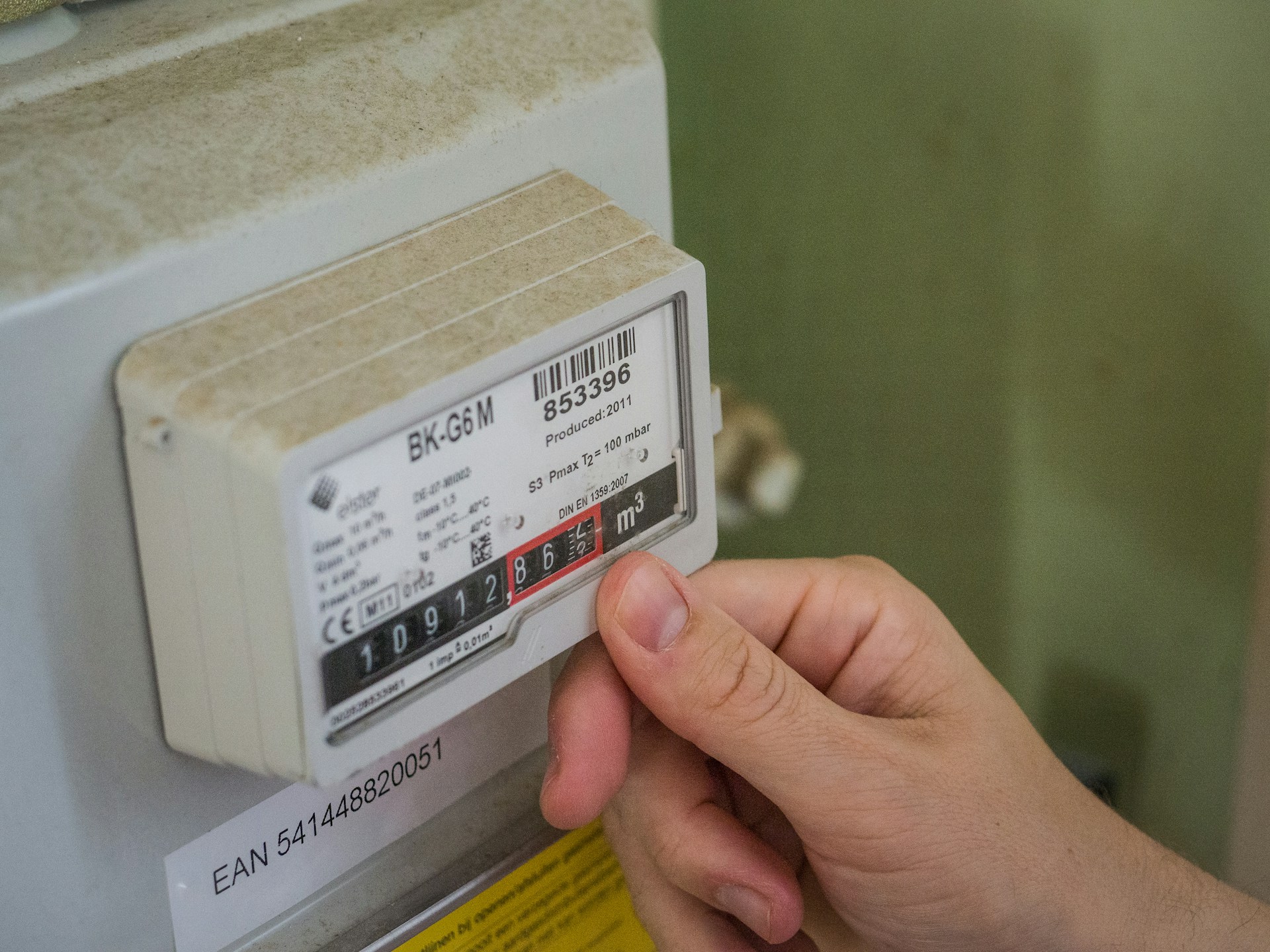
From 2027 remote reading will be mandatory for everyone, so meters are gradually being replaced with modern devices
Owners of investment flats are digitalising too
A questionnaire survey among members of the Platform of Individual Landlords of Investment Flats showed that owners of one or several properties are not yet making much use of electronic signatures. When a tenancy begins or ends, almost half of small landlords require the original document in paper form, while roughly a third are satisfied with scanned documents sent by e-mail. Even owners of investment flats, however, are trying to digitalise communication with their clients. According to Rental Housing Association data, 83% of individual owners consider electronic communication via e-mail or WhatsApp to be the most effective way of arranging things. Only 8% of them stick to phone calls.
What comes next?
Experts expect rental relationships to become increasingly digital, as saving both time and money is a strong motivating factor for everyone involved. The level of state support will play an important role in how fast digitalisation proceeds. What institutional and individual landlords lack is precisely help from the state apparatus and the creation of suitable conditions for development. The question that remains today is how electronic data and tenancy documents can be used further. For example, whether it would be possible to automatically report to the relevant authorities that a tenancy agreement has ended and the tenant needs to be deregistered from permanent residence at the address in question. For now, landlords can only hope that the former tenant does not forget to do so. Not on friendly terms with modern technology? Never mind – our experienced managers at Flat Service will explain everything and set it all up so that you have no extra worries. Contact us on +420 277 000 330 or at sales@flatservice.cz and we will handle all the paperwork connected with renting out your property for you. And that is not all. We will photograph the flat professionally, show prospective tenants around, then keep an eye on rent payments, carry out ongoing maintenance and deal with any unexpected emergencies.