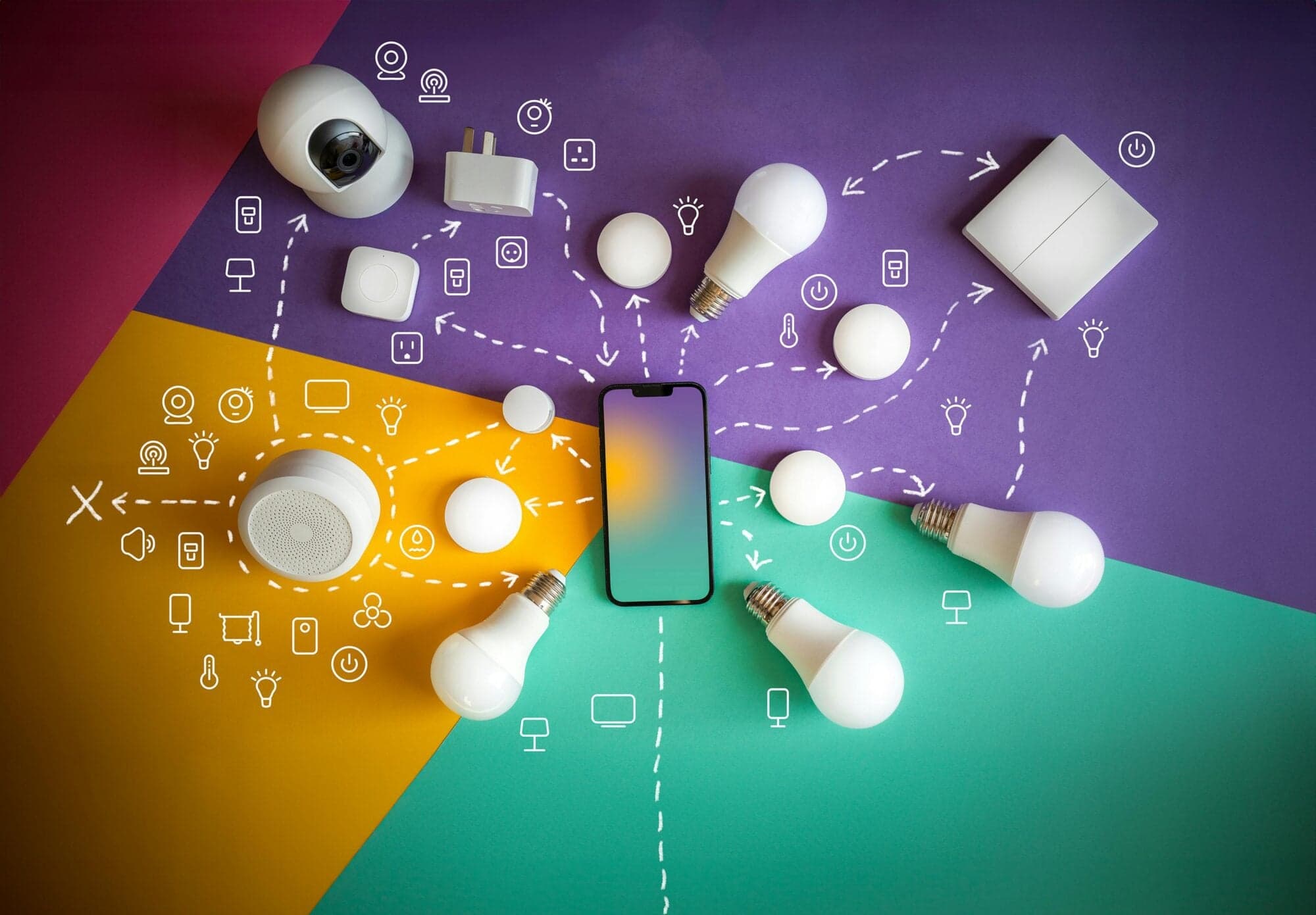
Operational automation means the use of modern technologies that manage the running of a unit, a building or an entire complex. Instead of a person, they assess the current situation themselves and, as needed, automatically optimise the settings so that the property runs reliably and efficiently. This is thanks to a central control system that links the building's technical equipment (including, for example, the heat source, air handling or water distribution) with special sensors and controllers. These continuously collect data on indoor temperature, humidity or the presence of people and accordingly regulate the operation of individual devices.
In a family house just as in a production hall
The functions of smart systems differ according to the type of property in which they are installed. In office buildings, automation mainly covers routines tied to working hours and the specific needs of various corporate tenants. In industrial halls, it focuses primarily on optimising the operation of production machinery and overall occupational safety. In apartment buildings and family villas, it concentrates mainly on living comfort and efficient energy consumption.
It is precisely because of high energy prices and a shortage of qualified staff that owners of residential buildings are increasingly looking into implementing automated systems. These give them an overview of how the property is running in real time – from the aforementioned energy consumption in different parts of the building to the security situation. Property management is thus shifting from manual supervision to data-driven operation. Thanks to the availability of a wide range of measured data, the approach is gradually moving from reactively resolving acute operational problems, such as a water leak, to long-term optimisation and prevention.
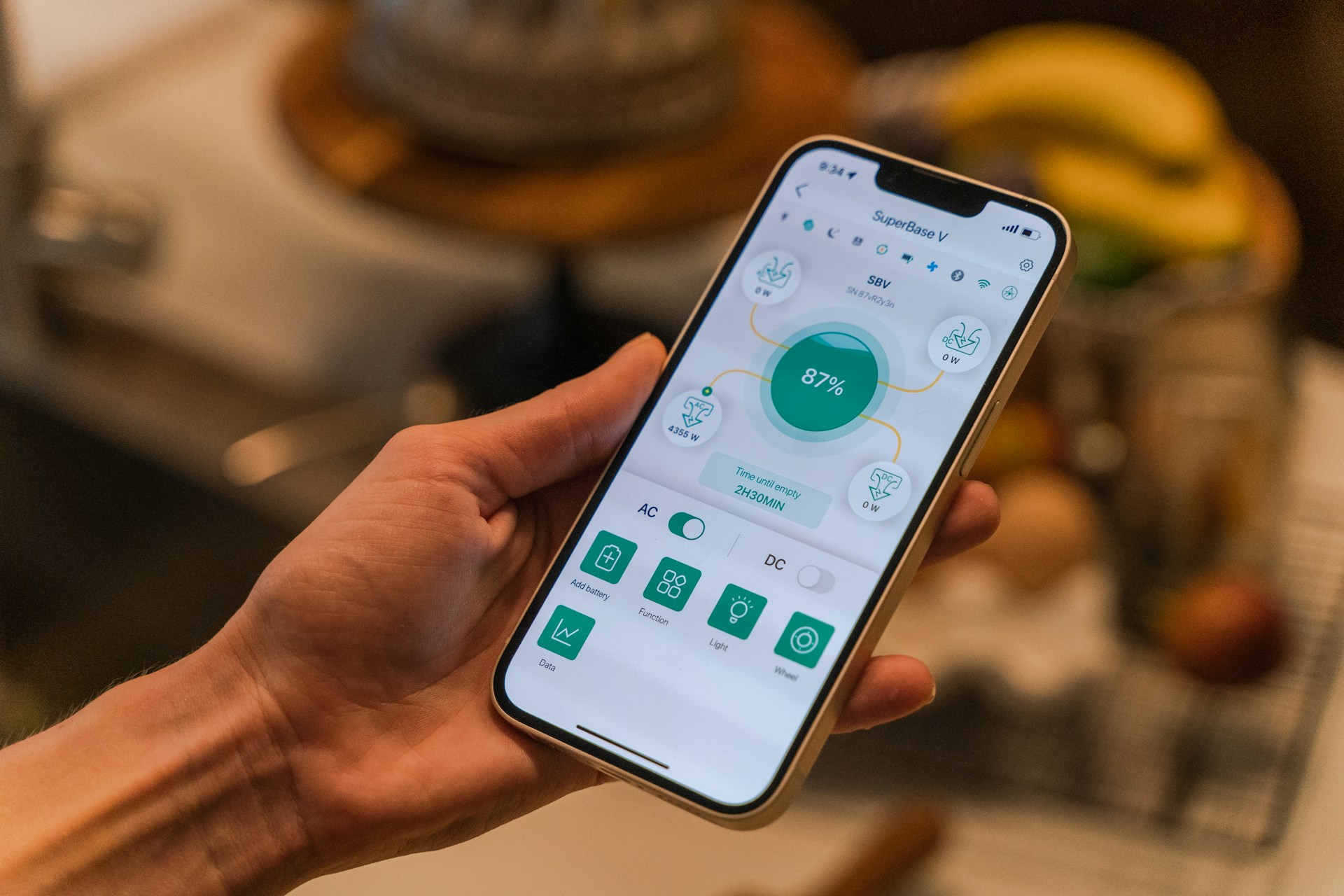
Remote access makes it possible to manage everything efficiently without disrupting tenants' lives
Efficient heating, lighting and security
In apartment buildings, automation typically covers ventilation, heating or cooling (depending on the season) and, depending on the time of day, also lighting or shading. It can, however, also include security systems and other technologies. The aim is to provide tenants with the most comfortable living environment possible and to give the owner a constant overview of what is happening in their property. Owners of several investment properties in particular will appreciate being able to adjust the settings of all technologies in one place and compare operations across the properties in their portfolio.
And, of course, to manage them without the need for manual intervention so that no unnecessary losses occur. For example, the heating won't switch to full output the moment the occupants open a window. Modern systems can evaluate more complex situations as well – for instance, not cooling bedrooms during the morning, when they are usually unused, but creating a pleasant indoor climate there by the evening. Or adjusting the temperature remotely when a tenant travels abroad and the flat stays empty for a longer period.
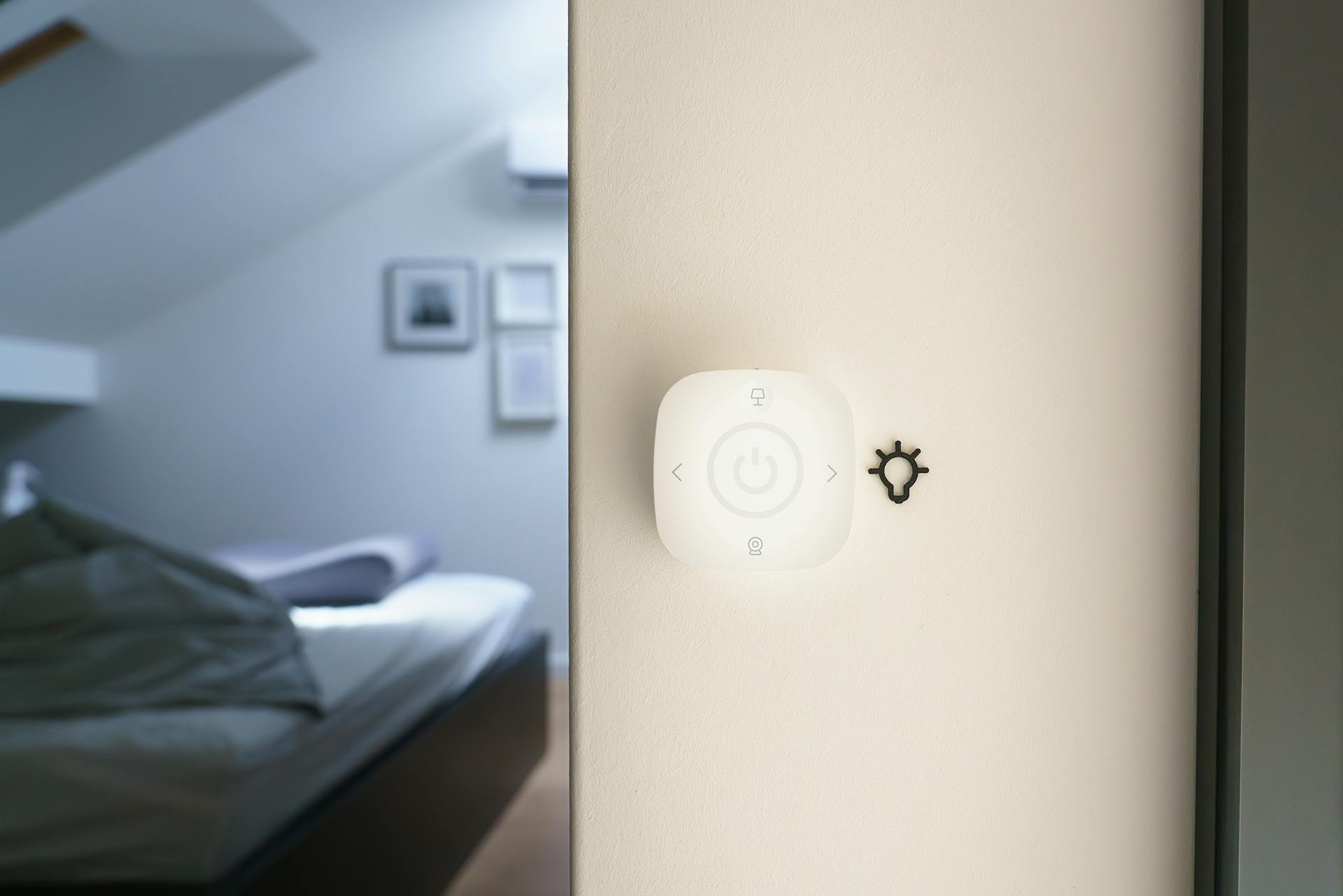
Smart lighting control makes it possible to cut unnecessary lighting and thus reduce electricity consumption
A similar principle is widely used in common areas too, which in premium residential projects include, for example, a gym or sauna. Their operation can be managed based on occupancy detection or prior online bookings. After all, it makes no economic or environmental sense to keep a sauna at around 90 °C when nobody plans to come and relax there all day.
Lower operating costs and greater safety
Well-designed automation significantly reduces the operating costs of individual households and of the entire residential complex. This is because lighting, temperature and any other elements adapt to current conditions and how occupied the spaces are. Importantly, this does not come at the expense of residents' comfort – quite the opposite. In addition to savings on energy costs, there is also a drop in the staffing required to run the building.
Should any non-standard event occur, automated systems send the owner or building manager a notification about a possible fault. In critical situations, where every minute counts, they can immediately trigger automatic smoke extraction, for example, or unlock evacuation doors. Their role therefore also lies in making housing safer.
At FLAT SERVICE we have many years of experience in property management. That certainly doesn't mean we ignore new trends – on the contrary, we are happy to make use of modern technologies and smart systems. Thanks to our own smart app, clients have a round-the-clock overview of the state of their flat. Place your vacant property in the hands of professionals and enjoy rent collected regularly, with no worries at all. Contact us at sales@flatservice.cz or on +420 277 000 330.