The potential taxation of empty flats was a big topic even before the 2021 parliamentary elections. The Pirates argued that this very step could lead to better overall housing availability in the Czech Republic. The ANO movement immediately built a campaign around the whole issue and, on top of that, began sending seniors in particular alarming messages claiming that the Pirates would move African refugees into their vacant flat or holiday cottage. Do you remember? After all, three years have flown by. In any case, it turned out as always. In reality, nothing happened at all.
How will property tax grow?
Public demand for a change to the tax mix is growing nonetheless, and the signs are all around us. Municipalities lack the money for essential repairs and investment. That could be solved by bringing property tax up to the level common in the EU or OECD countries. Incidentally, it is the latter institution that repeatedly calls on us to raise it!
Property tax should above all be a contribution towards the services provided by the municipality or city directly in the given location
Another major topic is the taxation of labour. Sociologist Daniel Prokop of the PAQ Research agency, a member of the National Economic Council of the Government (NERV), points out that the current tax mix falls disproportionately on poorer families in particular. And paradoxically, it thus contributes to a stagnating economy and to the fact that, as the only EU country, Czechia has failed to return to its pre-Covid state. Low-income families spend most of their money immediately and thus “return” it to the economy, often the local one, because they shop with local retailers and use services where they live. Wealthier people, on the other hand, travel abroad more or save, which is of course very responsible on an individual level, but it does not keep the wheels of our economy turning.
How many empty flats are there in Czechia?
Experts agree with those who argue that a change to the tax mix would very likely result in a revival of the property market and better availability of flats, especially for younger and low-income families. There are, after all, almost 600,000 empty flats and houses in Czechia whose owners do not handle them optimally from an economic point of view – in other words, they simply leave them idle!
Empty flats are a topic not only for economic experts, but also for politicians
Prokop’s colleague Jakub Komárek recently pointed out in the Právo daily that the absence of taxation of capital income from property ultimately pushes up the price of flats that are already out of reach. At the same time, it favours flats and houses over other types of investment, such as securities or cryptocurrencies. Under current Czech law, for instance, no time test applies to the latter group, so all returns without exception must be reported to the tax office. Even when you are merely exchanging one cryptocurrency for another. The taxation of investment flats and related property transfers is still rejected by both the SPOLU coalition (Finance Minister Zbyněk Stanjura of the ODS) and the opposition (shadow finance minister Alena Schillerová of the ANO movement). A rare consensus on this topic could be heard in the Chamber of Deputies a few weeks ago. Moreover, recent events suggest that both sides may well be preparing for the option of governing together after the next parliamentary elections in the autumn of 2025. So the answer to the title question is: No, the taxation of investment flats is apparently not on the agenda in the Czech Republic, unless a major political earthquake occurs.
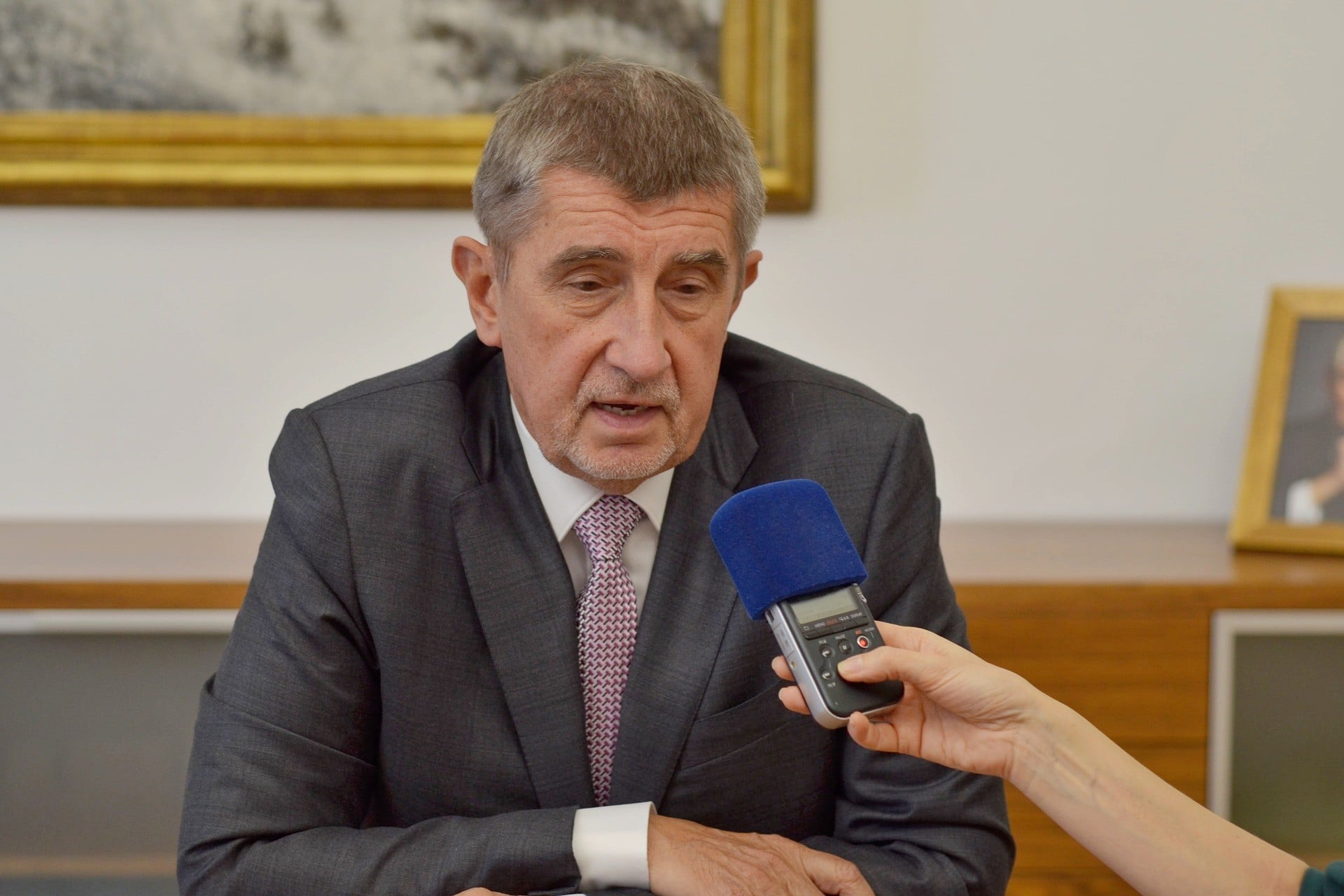
There are few things SPOLU and ANO agree on. But the fact that taxing investment flats is not (yet) on the table is one of them. And that despite the advice of experts and NERV members
Can you get guaranteed rent?
In the vast majority of Czech locations, and especially in Prague, property values have historically only ever risen. Owners therefore often had no economic incentive to start renting them out and to deal with the associated hassle. According to our internal calculations, the average owner spends 60 hours a year on all the activities connected with renting. The average occupancy of individually managed flats by paying tenants is a mere 78%, which means they sit idle for almost three months every year. Yet many owners have no idea that they can use the services of experienced property managers who handle all the paperwork for them. They can then simply enjoy their rental income without having to worry about finding and selecting suitable tenants, communicating with them or repairing damage. With the FLAT SERVICE Garant service, they even receive an agreed amount in their account in advance at times when the flat is not occupied. We simply take that risk on ourselves. If you are interested in professional property management through the FLAT SERVICE Partner service, or in guaranteed rent right away, do let us know at sales@flatservice.cz or call +420 277 000 330. We will gladly take care of everything and quickly calculate how much we can rent your flat out for.