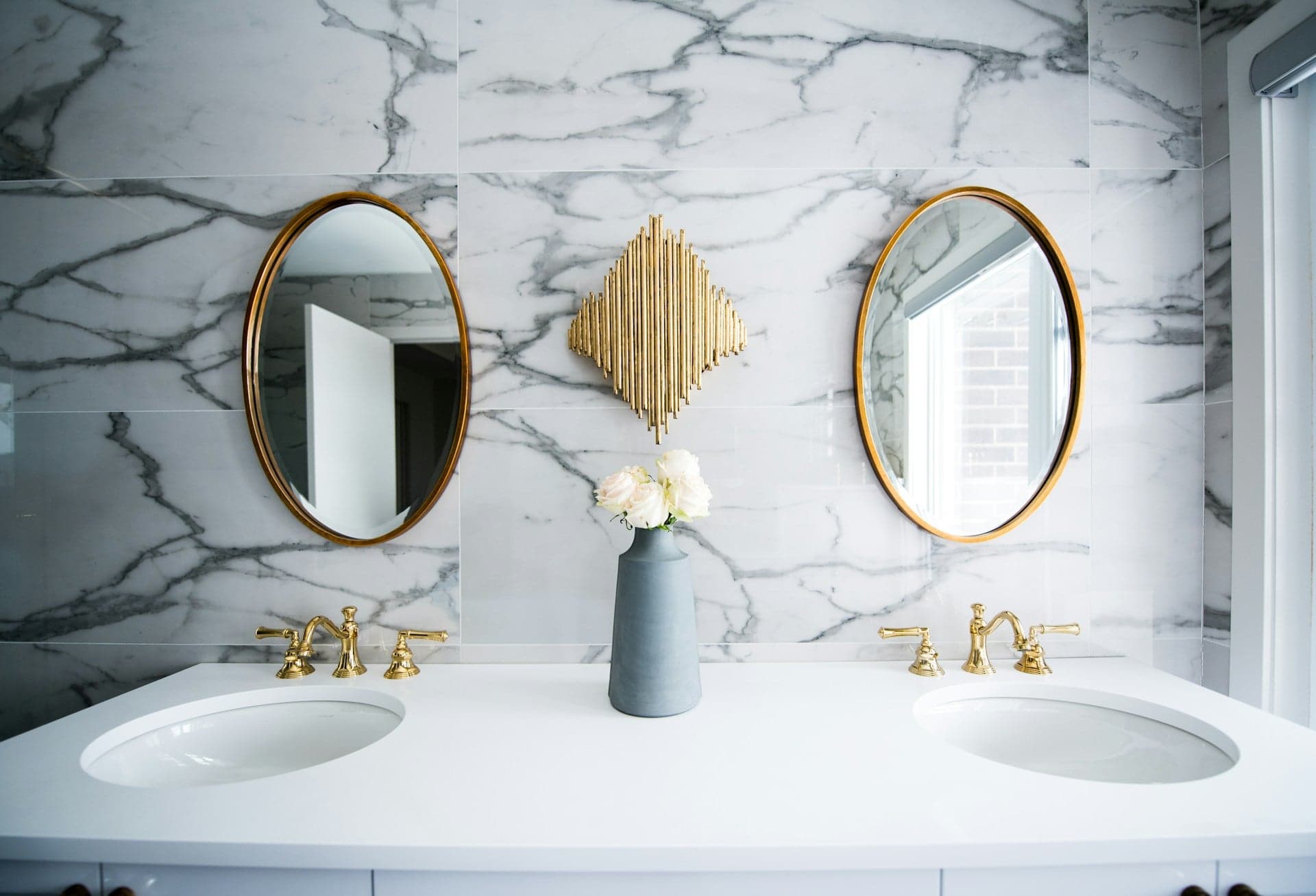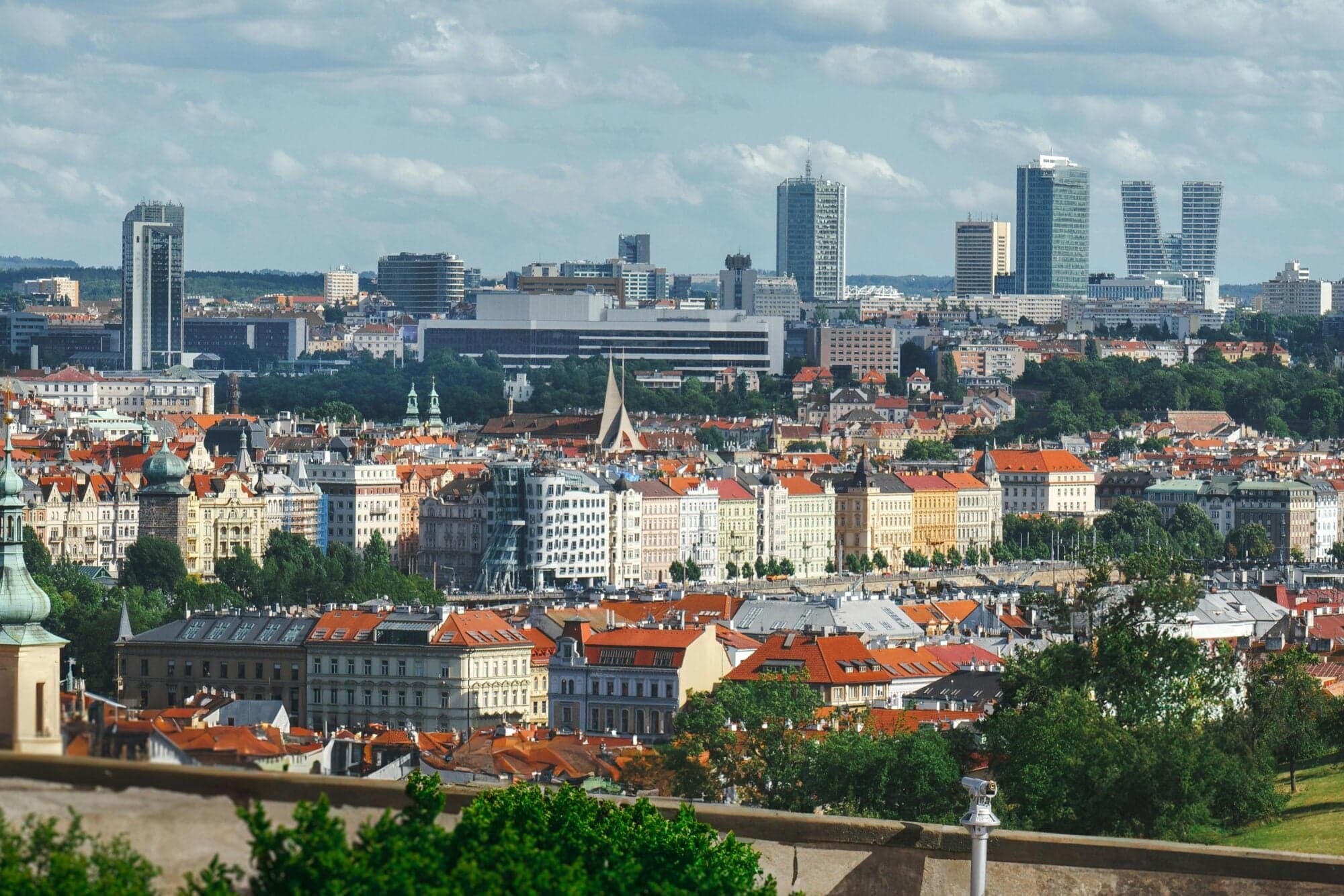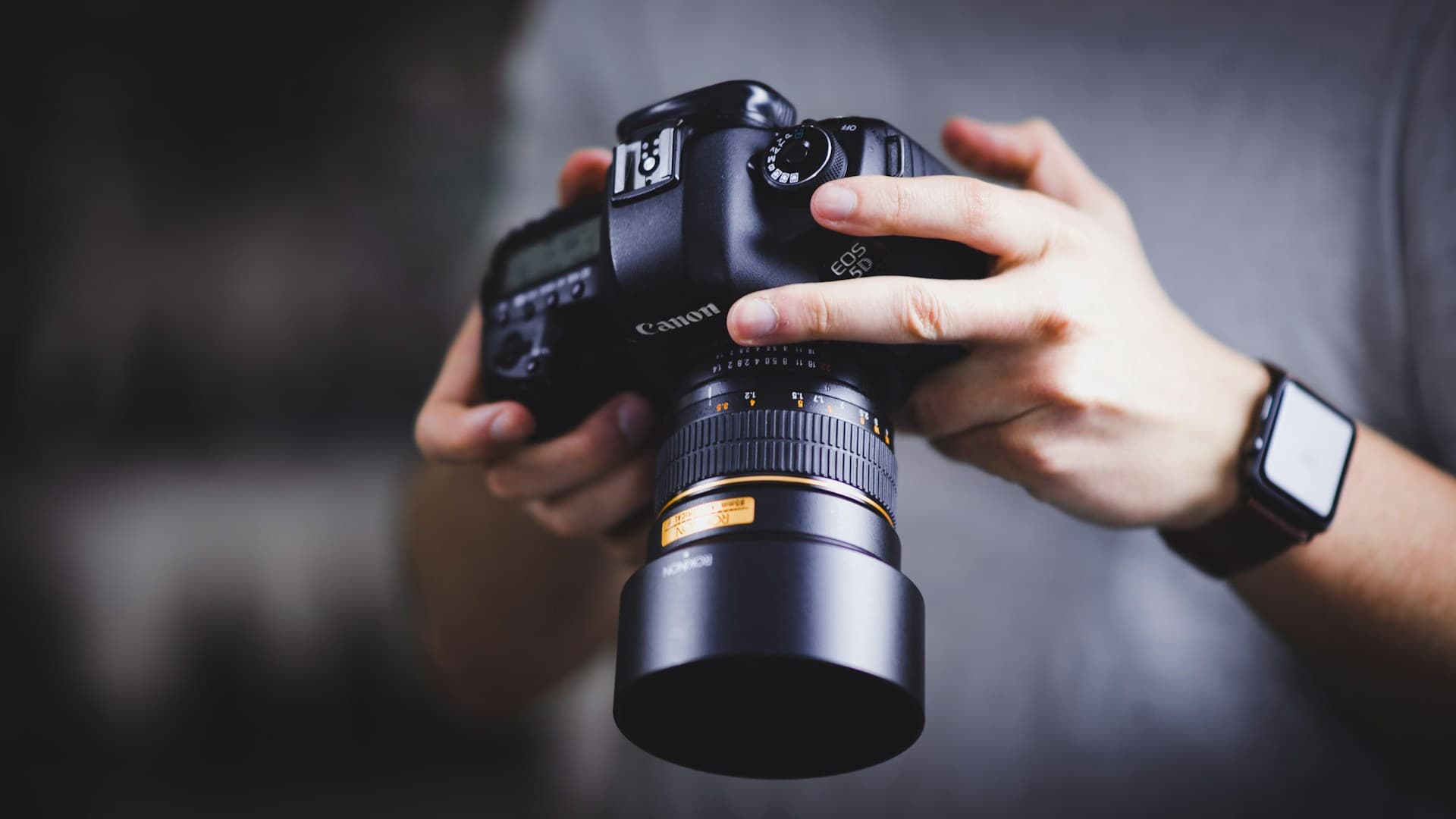
Low-quality, grainy, poorly focused and, above all, badly composed apartment photos are an absolute evergreen on websites offering properties for rent directly. Apartment owners often believe that photo quality doesn't matter and that by simply photographing the rooms on a mobile phone they'll save money. Given the current considerable surplus of applicants on the rental housing market, “someone will get in touch anyway”. In this line of thinking, however, owners completely ignore the basic rule, which is to rent out for the highest possible amount. While of course making sure that the chosen tenant comes across as reliable as possible. In the following lines we have prepared, in cooperation with professional photographers, 10 tips on how to photograph a rental property attractively and avoid missteps that may, in the final reckoning, cost you (tens of) thousands of crowns every year. 1. A quality camera is a must It essentially doesn't matter whether you take a classic DSLR or a more modern and increasingly popular mirrorless camera – that is, a quality compact-type camera with interchangeable lenses. But once and for all, forget about mobile phones. With a newer iPhone you'll of course get decent photos which, alongside the competition of crazy shots watermarked “Shot on Redmi 7”, will do the job. But you're aiming higher! If you don't own a DSLR or a mirrorless camera, ask friends and acquaintances, or visit a camera rental shop, which you'll find in every larger city. What's more, the photos you take and edit won't just disappear, so you can use them again in the future when looking for a new tenant. 2. The lens matters The choice of camera is of course closely linked to the choice of a suitable lens, which matters more than you might think. The focal length you choose determines the overall character of the photos and has a huge influence on how spacious the individual rooms feel. Wide-angle lenses with a focal length of roughly 10 to 20 millimetres are usually used for property photography. But beware! Don't overdo it. Lenses with a very short focal length, nicknamed “fisheye”, produce strong barrel distortion that can look quite inappropriate in the final photos. Even as a layman you'll spot it at first glance, for example in the curved walls of the apartment. Also watch the aperture and depth of field – unlike with portraits, for example, interior photography uses a higher f-number so that the entire space in the photo is sharp. You'll achieve the best results with so-called full-frame cameras, which have a larger image sensor and therefore capture more light. 3. Choose the right time of day Although there's no simple rule such as “the ideal time for shooting is 2 p.m.”, as a general principle you should avoid the early morning and, conversely, the late afternoon hours, when little sunlight comes into the apartment. A lack of light and the resulting feeling of cramped space is one of the most common problems in photography. Overcast winter days are particularly problematic. It's also worth considering additional lighting, either a flash or supplementary soft light. Depending on which way the apartment faces, it's a good idea to choose a time when the sun shines inside, but not directly through the window into the camera lens. If the apartment boasts designer lighting, it's of course worth waiting until the evening as well and taking photos that highlight how special it is. 4. Shoot in landscape, not portrait Portrait photos are ideal if you also want to present the apartment in Stories on Instagram or Facebook. In classic property advertising, however, you can almost completely forget about them. Among other things, this relates to the need to present the apartment as spacious and airy, which is usually not possible in portrait photos. So shoot all the rooms in landscape orientation and only consider an alternative format where necessary, for example in very narrow spaces. 5. Stand in the corner of the room Think carefully about where you're standing and how the whole room looks from that particular position. Try to choose spots from which most of the room is visible, and shoot across the axis of the room. Details, such as the kitchen units or the bathroom, may be an exception. 6. Shoot level, roughly at eye height Have you ever wondered why some listings don't look natural? The reason may be the usual beginner's mistake, where rooms are photographed either from too low or, conversely, from too high. Yet for our perception and sense that the image is right, it's crucial that the photos are taken roughly from the eye level of an adult, that is about 1.6 to 1.7 metres. The camera should also be strictly level on both axes, so that the apartment doesn't tilt to one side in the shots. Bear this in mind when setting up your tripod (which we strongly recommend using for property photography). 7. Press the shutter as much as possible, you can delete later Don't forget to photograph every room in the apartment, from as many available angles as possible. If the apartment has interesting details or nooks, photograph those too, of course. Don't forget the views! If future tenants are going to wake up every morning to a view of a park, the Vltava or Prague Castle, it can raise the rent by tens of per cent. It would be a shame to leave something like that out of the photos (not every applicant reads the listing text). Potential tenants may also be interested in what the building looks like from the outside, or whether there are any pleasant spots, playgrounds, terraces for sitting out and the like nearby. Naturally, photograph the common areas especially if they are presentable and visually add to the value of the apartment. 8. Pay attention to post-production How do you recognise a conscientious photographer who wants to squeeze the most out of the material? By the fact that they spend considerably more time at the computer on post-production than on the shoot itself. Every single photo that goes into the listing requires a certain amount of care. Basic post-production, though, is something you can manage yourself. Adjust the brightness and contrast so that the room looks bright. Depending on the time of the shoot and the season, play with the white balance too, that is the slider between cold and warm light. Don't be afraid to entrust the editing to a professional who has more advanced graphic tools at their disposal (e.g. Adobe Lightroom), which aren't among the cheapest, but allow you, for instance, to increase brightness or contrast only in a certain part of the room. For any stains on the walls, however, you'd better hire a painter. 9. Don't photograph a completely empty apartment Remember that you're not renting out just an apartment, but also the promise of future emotions and a feeling of home. All of that is hard to build within four white walls. Photographing the apartment for the listing should therefore be preceded by at least basic home staging, that is arranging the furniture, accessories, flowers and so on. A thorough clean before the shoot should go without saying! 10. Choose the single best photo Most potential applicants will see just 1–3 preview photos of your apartment in the list of listings. That's why you should give these (and especially the first one) special care. Look at it and try to answer the question: Does this particular photo make me want to move in here? Some people choose a drawn floor plan of the apartment as the main image of the listing. Do have one prepared (it will increase the appeal especially for systematic people, which is what you want), but don't use it as the main photo.
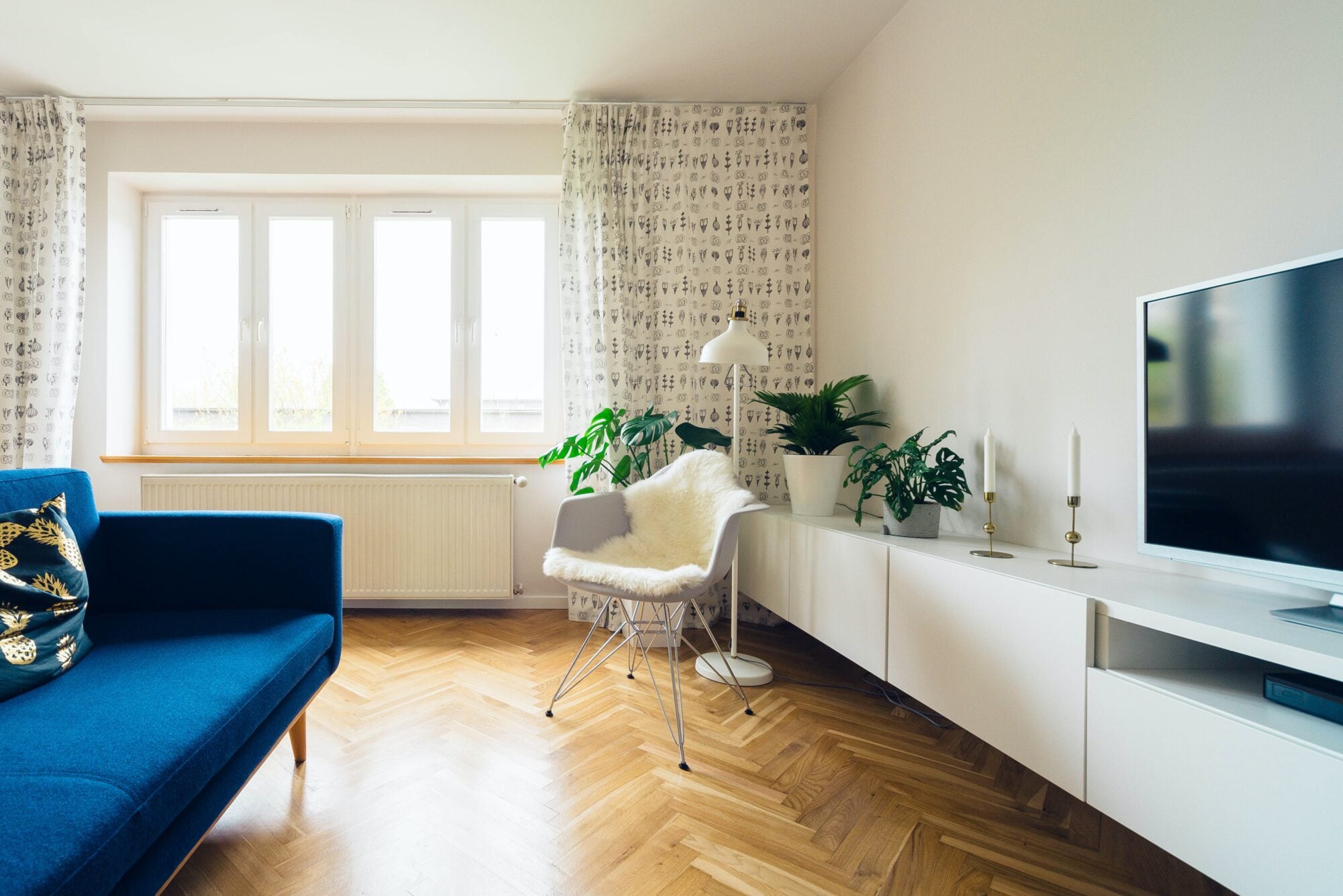
At first glance a good-quality photo, of which you'll find thousands in listings. But look at it with a keener eye and you'll discover obvious shortcomings. The photographer's position is poorly chosen; the shot gives you no basic idea of the size or layout of the room. The cables under the TV units are distracting, as is the somewhat artificially arranged armchair in a nonsensical spot. The blown-out highlights from the harsh window light are a chapter in themselves.
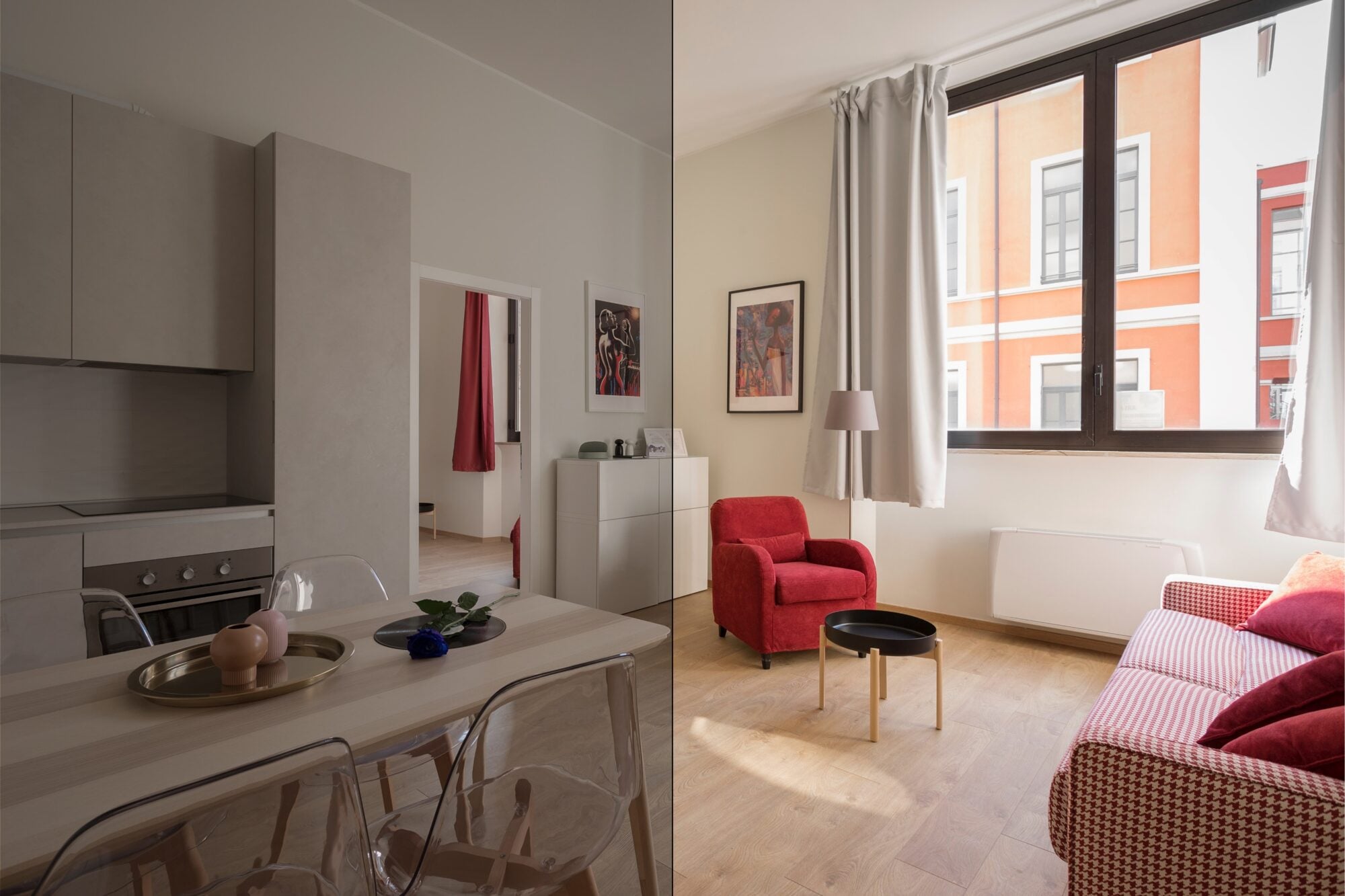
On the left you can see a photo of an apartment before post-production, on the right after it. The property on the left feels needlessly cramped, there's no contrast in the light and the colours are dull. The right half of the shot is the result of just a few minutes' work in Adobe Lightroom.
Leave the photography worries to us
If you've read this far, you may have realised that taking quality photos of an apartment that carefully highlight its strengths and don't needlessly draw attention to any shortcomings is quite a science. Yet you can leave the professional photography and presentation of your apartment to us. This service is part of the Partner and Garant property management packages and we'll be happy to take care of it.
Photos are just the beginning. Do you know how to handle the next steps?
It's true that nice photos practically rent the apartment out by themselves. But there are still plenty of administrative steps and arrangements ahead of you before you have tenants moved in and money in your account. These include, for example:
- Registration on property portals (and the related fees)
- Preparing the listing text
- Calculating the expected rent
- Communication with all potential applicants
- Organising viewings and the time spent on them
- Verifying the creditworthiness of clients and choosing the idealapplicant
- Preparing the lease agreement and the handover protocol
- Regular inspection visits to the apartment
Or you can entrust your apartment rental to a professional agency, avoid the stress and enjoy the free time you gain – according to our calculations up to 60 hours a year. Call +420 277 000 330 or write to info@flatservice.cz and arrange a personal meeting. We'll be happy to answer all your questions, advise you on renting and prepare a calculation of your income from guaranteed rent.