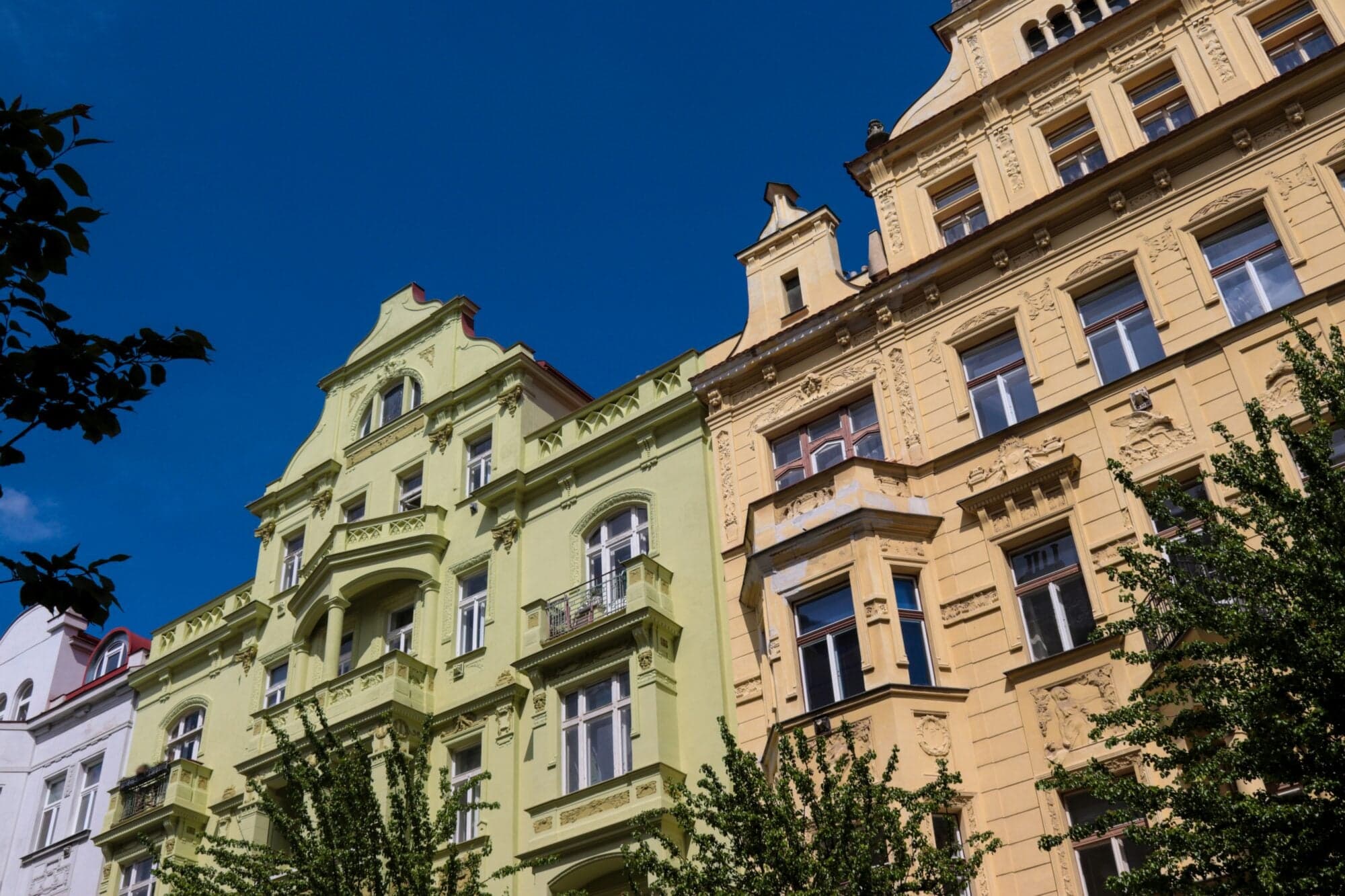
In response to rising prices of both rental and owner-occupied housing in recent years, Prague has promised to expand its municipal housing stock. This was to happen, for example, by buying up parts of new development projects, buying back selected properties or building up to 8,000 municipal flats through the Prague Development Company. However, an analysis by the Institute of Planning and Development (IPR) shows that the number of flats managed by Prague City Hall and the individual city districts stagnated in 2024, the most recent year measured. To be precise, there were five fewer of them (units, not per cent) than in 2023.
How many flats does Prague manage?
If you are interested in the exact number of properties managed by the capital, it is 7,215 properties held directly by City Hall, plus a further 22,621 properties, held by the individual city districts. The geographical distribution of these housing stocks is markedly uneven: a full third of all municipal properties is concentrated in three city districts – Prague 2, Prague 10 and Prague 14.
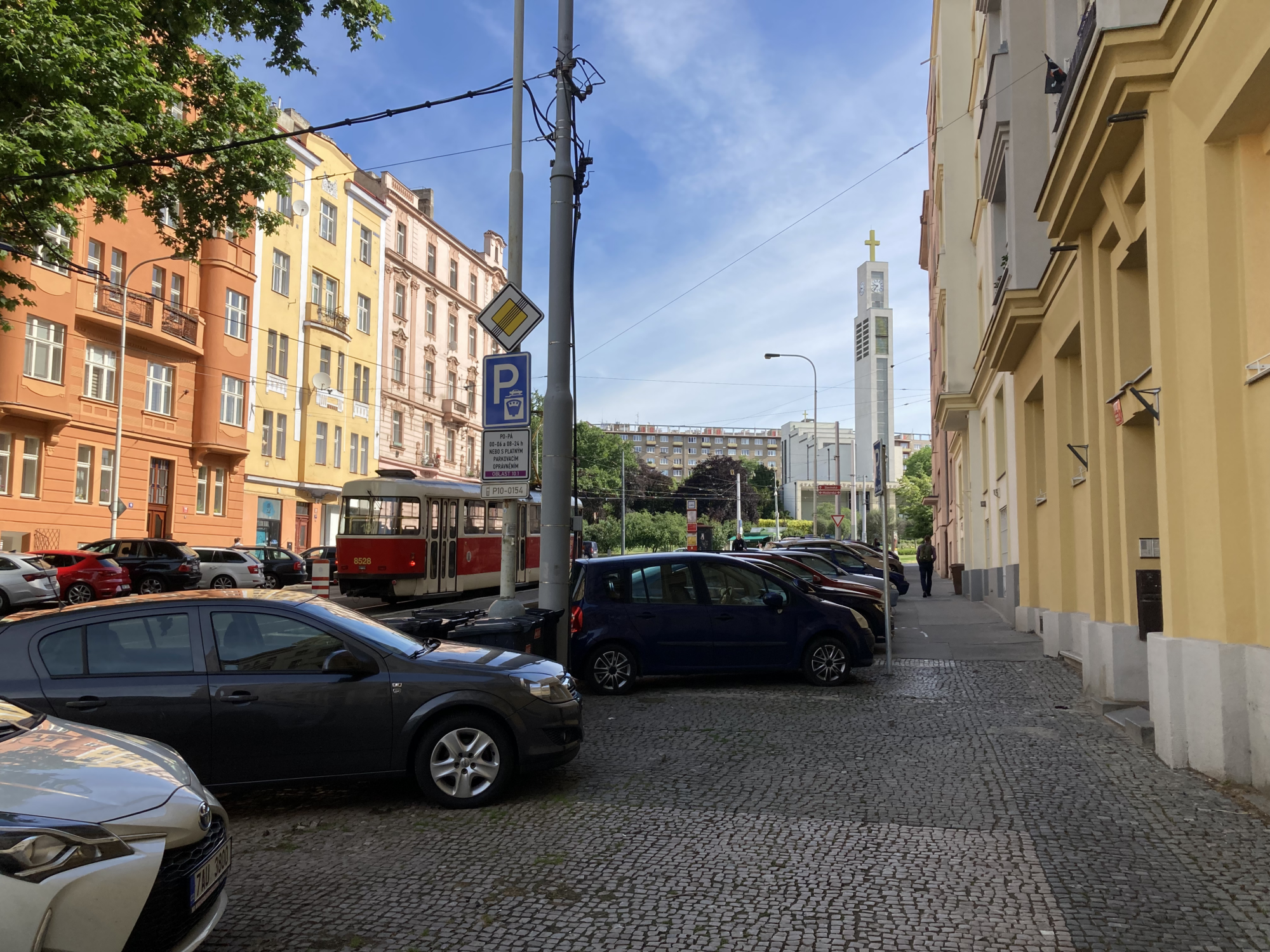
Prague 10, covering areas such as Vršovice, Strašnice and Záběhlice, has one of the largest housing stocks in the capital
The situation after the Velvet Revolution was considerably different – the city owned roughly 194,000 flats. However, 85% of the housing stock was gradually privatised, so that City Hall and the city districts are now left with just under 30,000 of them.
Why does Prague need municipal flats?
It might seem that the market will gradually sort the whole situation out – put simply, that those who can afford it will move to Prague. But nothing is that simple. The city needs to hold on to a share of flats so that it can provide essential services. That means nurseries, schools, firefighters, the police and the running of public offices. If the prices of rental and owner-occupied housing in the capital were to rise beyond the level at which teachers or firefighters, for instance, could realistically afford them, it could have a direct negative impact on the quality of life in Prague for everyone.
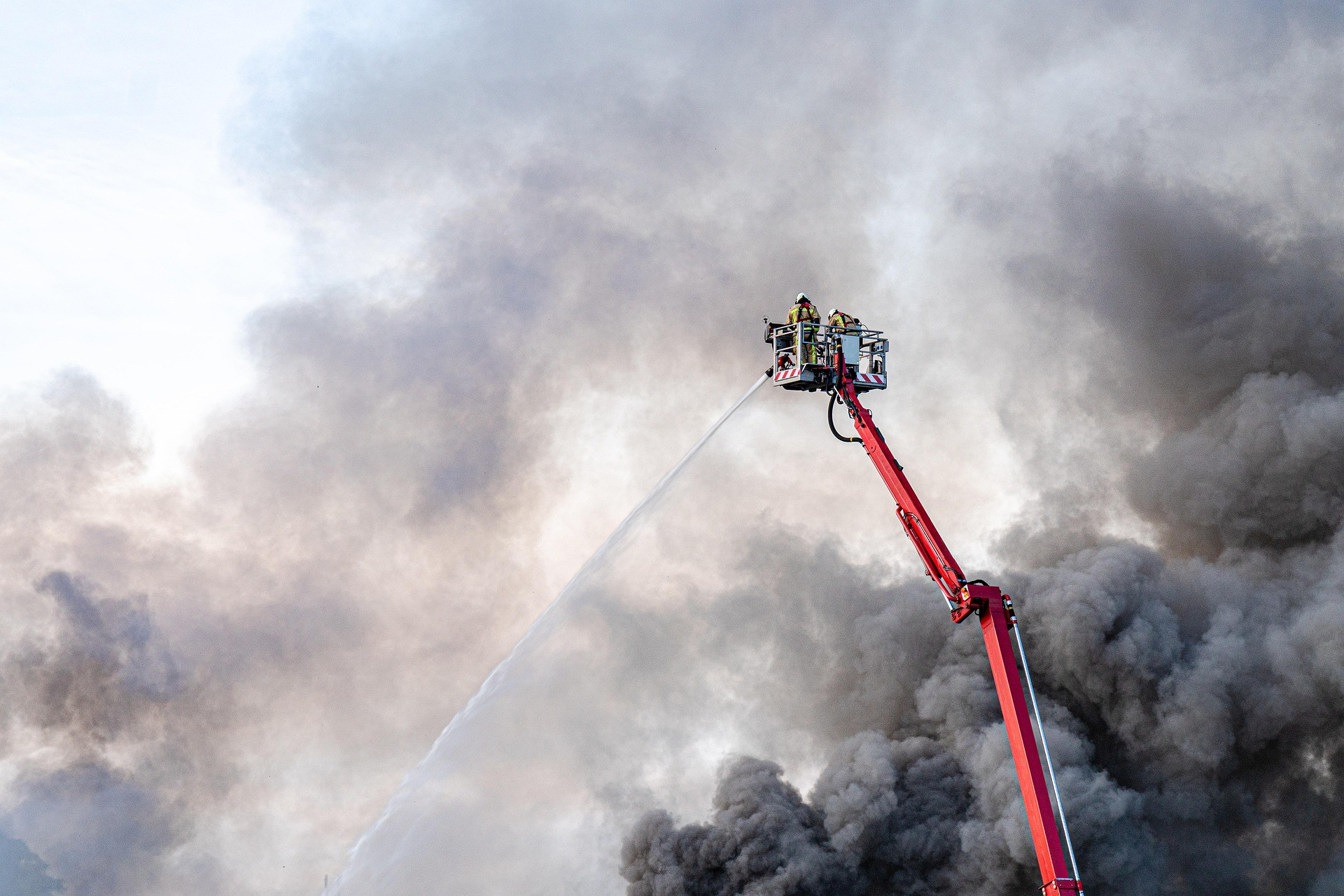
Recruitment for selected professions may also include the option of renting a municipal flat
A chapter in its own right is social housing and helping people who find themselves in need (not always through their own fault). Municipal flats currently account for 4.1% of the total number of flats in the capital. Over the past five years, an average of around 50 a year have been built, while to meet its declared targets the PDS would need to build ten to twenty times as many. Experts' realistic estimate is therefore that Prague's municipal housing stock will, in terms of volume, remain comparable to recent years in the years ahead. The city is counting on only a minimum of further privatisations (in the order of a few, or at most a few dozen, properties a year) and at the same time is failing to ramp up the pace of its own construction. Would you like to know how to rent out your flat with the help of an experienced property manager? Then don't hesitate to call +420 277 000 330 or e-mail sales@flatservice.cz and ask about our Partner, Partner+ and Garant services. We will advise you on how to rent out your investment property without the hassle, and how to maximise and stabilise your rental income at the same time.