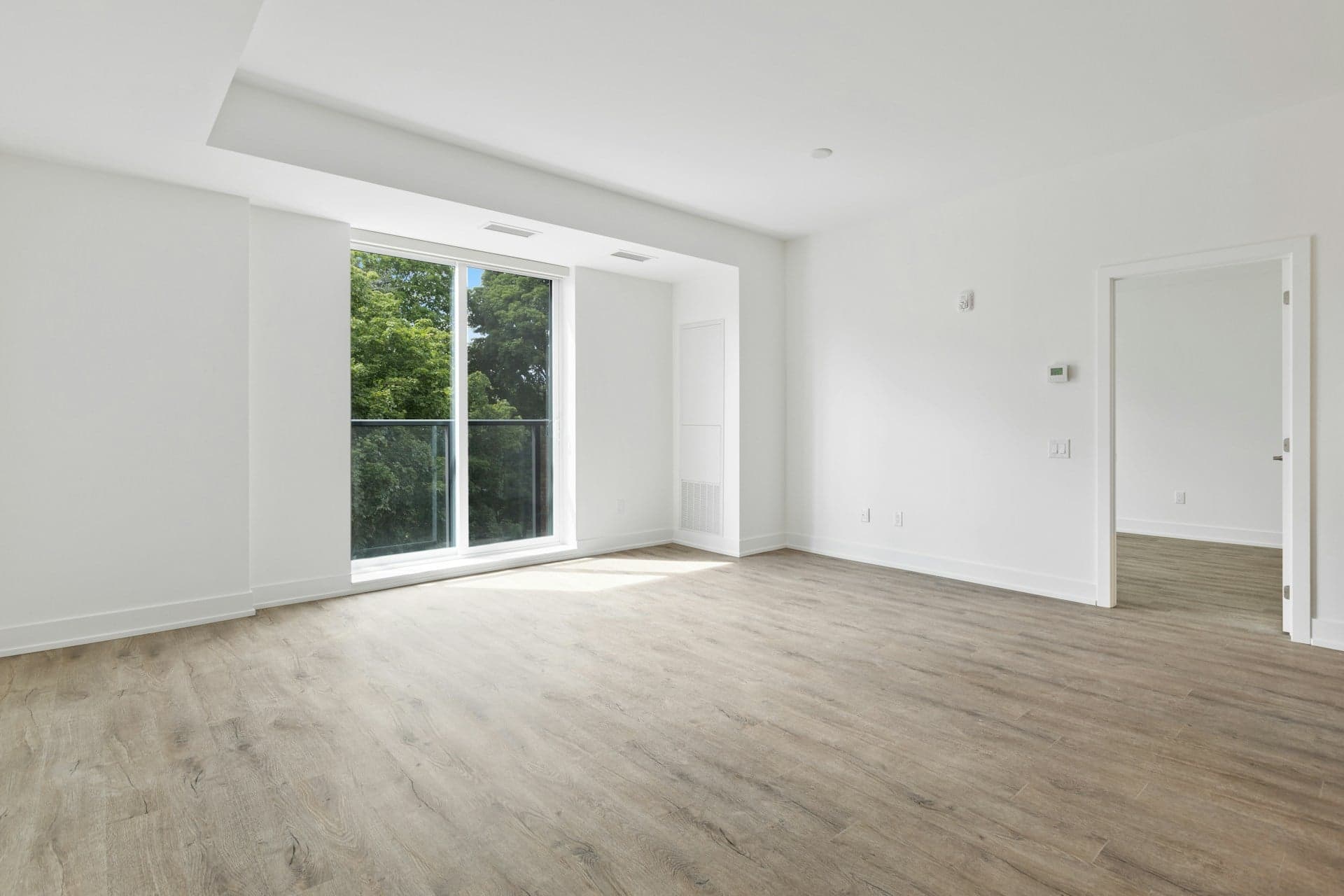
Are you about to rent out your flat and wondering how much rent to ask for? The key to success is a solid return combined with a satisfied tenant. But how do you set the rent to achieve both? Read this article prepared for you by the experts at Flat Service, a company specialising in the management of investment properties, and start earning from your property so that your investment truly pays off.
How to set the rent?
Let us walk you through a few basic points that are guaranteed to raise the value of your flat and therefore also your rent. Be sure to take them into account when setting the rent. You can also use the prices advertised by other landlords on listing portals offering flats to rent in the area around your property as a starting point. Then all that remains is to consider the following:
- Location: If your flat is in a better and more populated part of the city, don’t be afraid to ask for a higher rent. Compared with outlying or less popular districts, the difference can run into thousands of crowns.
- Appliances and furnishings: Does the flat come with appliances such as a washing machine, dryer or dishwasher? Furnishings again push the rent up – ideally provided the landlord is able to arrange a repair or replacement should an appliance break down. As for furniture, it is generally advisable not to furnish an investment flat. Most tenants already have some furniture of their own, which in some cases can make the flat harder to let. That said, it is not a strict rule. There are also tenants who want a fully furnished flat in order to avoid initial expenses. In any case, one thing we should never forget is to record the full condition and contents of the flat before handing it over to a new tenant.
- Comfort: Fifth floor with no lift? That probably won’t attract too many applicants. But if the building has a lift, a garage or shared outdoor areas, you can be sure your listing will appeal even at a slightly higher price.
- Age: You can’t teach an old dog new tricks – so lower your expectations if your flat is older and hasn’t been renovated in recent years. For a new building, on the other hand, don’t hesitate to ask for more. After all, an attractive new flat makes a better impression. That said, we’re not saying an older, nicely furnished and well-maintained flat can’t do the same.
Rent works as a filter
If you set a higher rent, you will logically have slightly fewer applicants. But that has one big advantage – it acts as a filter for wealthier candidates. Even so, a higher rent is not always a guarantee of a solvent tenant. If you set the rent too high, fewer people will apply, leaving you less choice and a greater risk of ending up with someone who doesn’t pay. If you lower your expectations slightly, you’ll receive more applications and will be better placed to choose a reliable tenant. The second advantage of a lower rent is that it widens your pool of applicants to include students, who might not be able to afford a higher rent. Many landlords prefer students, as they tend to be undemanding and less fussy, and thanks to their parents’ support your regular rental income is secure. Another factor that varies over the year is the range of applicants. This naturally depends on the particular period in which you plan to advertise your property. Before the start of the academic year (September–October), students are looking for housing. In winter and around the turn of the year, by contrast, you can expect a dip in interest, usually caused by the holidays and the new year, when people simply don’t have time to look for new housing. For the rest of the year you are likely to meet families or young couples at viewings. If you know the individual periods of the property market well, you can adjust the rent accordingly.
Factor in all your expenses
A burst pipe, a new fridge or routine maintenance. All of this calls for a financial reserve, which you build up by factoring all the expenses associated with renting out a flat into the rent. So don’t forget to deduct the following from the amount that lands in your account:
- flat insurance
- a reserve for major repairs or emergencies
- contributions to the repair fund
- the building management fee
- your own time
The most valuable of all these items is, after all, your time. So if you are considering having your flat rented out by a professional company that will handle all the above with ease, get in touch and we’ll be happy to help with everything. That way you’ll have fewer worries and more time for your family, hobbies and work. You’ll find more information at the end of the article. It is also important to know which specific cost items you can and cannot pass on to the tenant. You can pass on services and charges such as these, but only if the tenant actually uses them:
- energy (including electricity used in the common areas)
- water consumption
- household waste collection
- cleaning of the common areas
- use of the lift
- household insurance
Note, routine minor repairs are paid by the tenant, in accordance with Czech Government Regulation No. 308/2015 Coll., defining the terms routine maintenance and minor repairs related to the use of a flat, as amended.
Security deposits and rent increases? Watch out for the rules
Do you want to be able to increase the rent? You can include a so-called inflation clause in the tenancy agreement, allowing you to raise the rent annually in line with inflation. Note, with an open-ended agreement you can sign an agreement on a rent increase during the term of the contract, but not by more than 20% over the last three years. That is why we recommend one-year agreements. With a fixed-term agreement, you adjust the price once it expires and a new contract is signed. For every tenancy we also recommend that landlords set a so-called security deposit. This gives you greater certainty that the tenant won’t simply disappear without properly terminating the contract, and at the end of the tenancy you can deduct any debts and damage from it. The amount of the deposit is governed by the Civil Code, which states that a landlord may require a deposit of no more than three months’ rent (excluding charges).
Don’t want to deal with problem tenants? Leave the hassle of renting to an agency.
If you are considering entrusting your flat to a professional management agency, take advantage of our free consultation. Before you accept any offer, get in touch with us free of charge and with no obligation. Call us on +420 277 000 330 or email info@flatservice.cz and arrange a personal meeting. During the meeting we will answer any questions you may have, and within two days you will receive a calculation showing exactly how much property management will cost you and what your real rental income could be.