A city of 2 million inhabitants
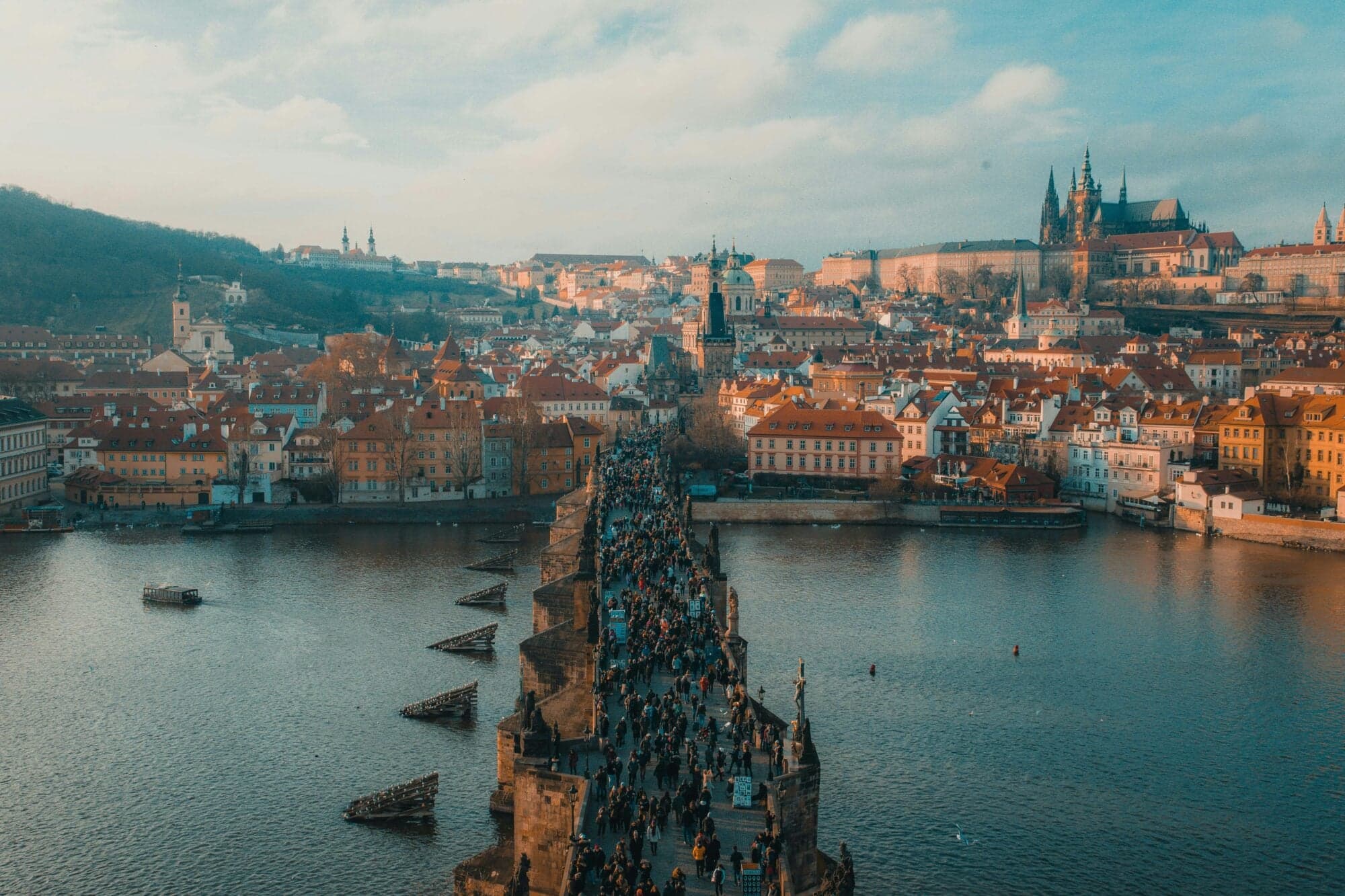
The latest forecast by the Prague Institute of Planning and Development says that by 2050 the capital could be home to 1.66 to 1.97 million people. That is roughly 300,000 more than today, or up to 700,000 more in the maximum variant. The study works with five possible scenarios of population development, taking into account migration, the overall economic situation and the intensity of residential construction in the coming years. Although during the morning rush hour it may seem that Prague already has more inhabitants than it can handle, the number of people living here will most likely grow year by year. Compared with other European cities, the Czech capital has a relatively low population density. In comparable locations such as Warsaw in Poland, Budapest in Hungary or Vienna in Austria, the number of people living per square kilometre is higher.
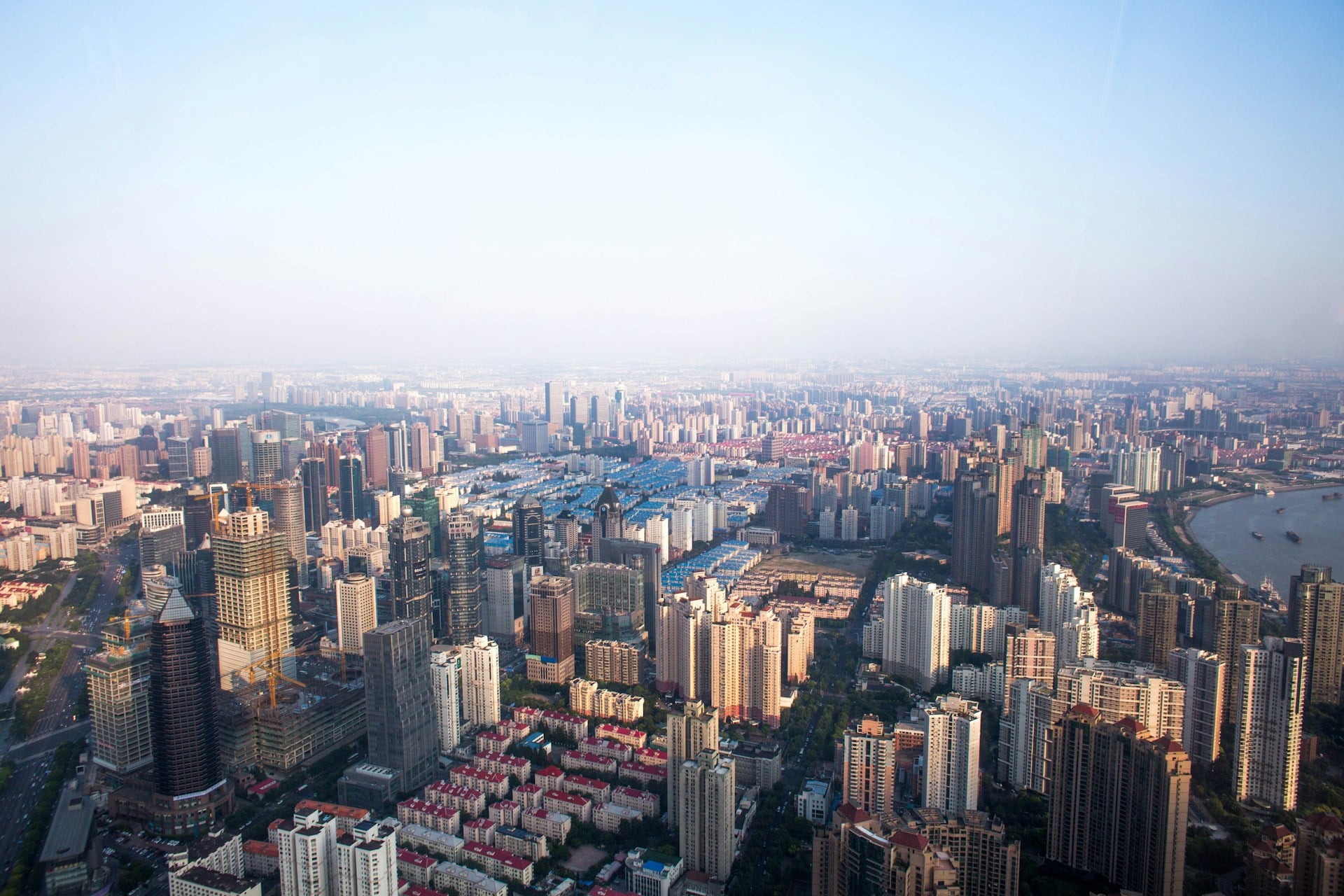
Asian cities in particular are seeing a steep rise in population – Shanghai, for example, has already set a population limit it does not want to exceed
The age of the average Prague resident will rise only slightly over the next two decades, to 42.7 years. Although that is just one year more than today, a significant increase in the number of seniors is expected. According to the realistic scenario, the number of people over 80 will grow from today's roughly 58,000 to more than 90,000. By 2050 we can therefore expect a substantial 56% increase. Also rising will be the number of children and adolescents of school age. Small children attending kindergartens will number roughly 9,000 more, and older ones going to primary schools will be up by 16,000. We need to start preparing for these demographic changes in Prague right now.
Pressure on public amenities
The large influx of new residents will place considerable strain on existing public amenities. To avoid problems with a shortage of places in schools, healthcare facilities or social service institutions, the city must prepare well in advance. Investment in infrastructure has to be planned long ahead, because a primary school, for example, cannot be built overnight. And in some city districts or sought-after locations, demand already far exceeds the capacity of the classes being opened.
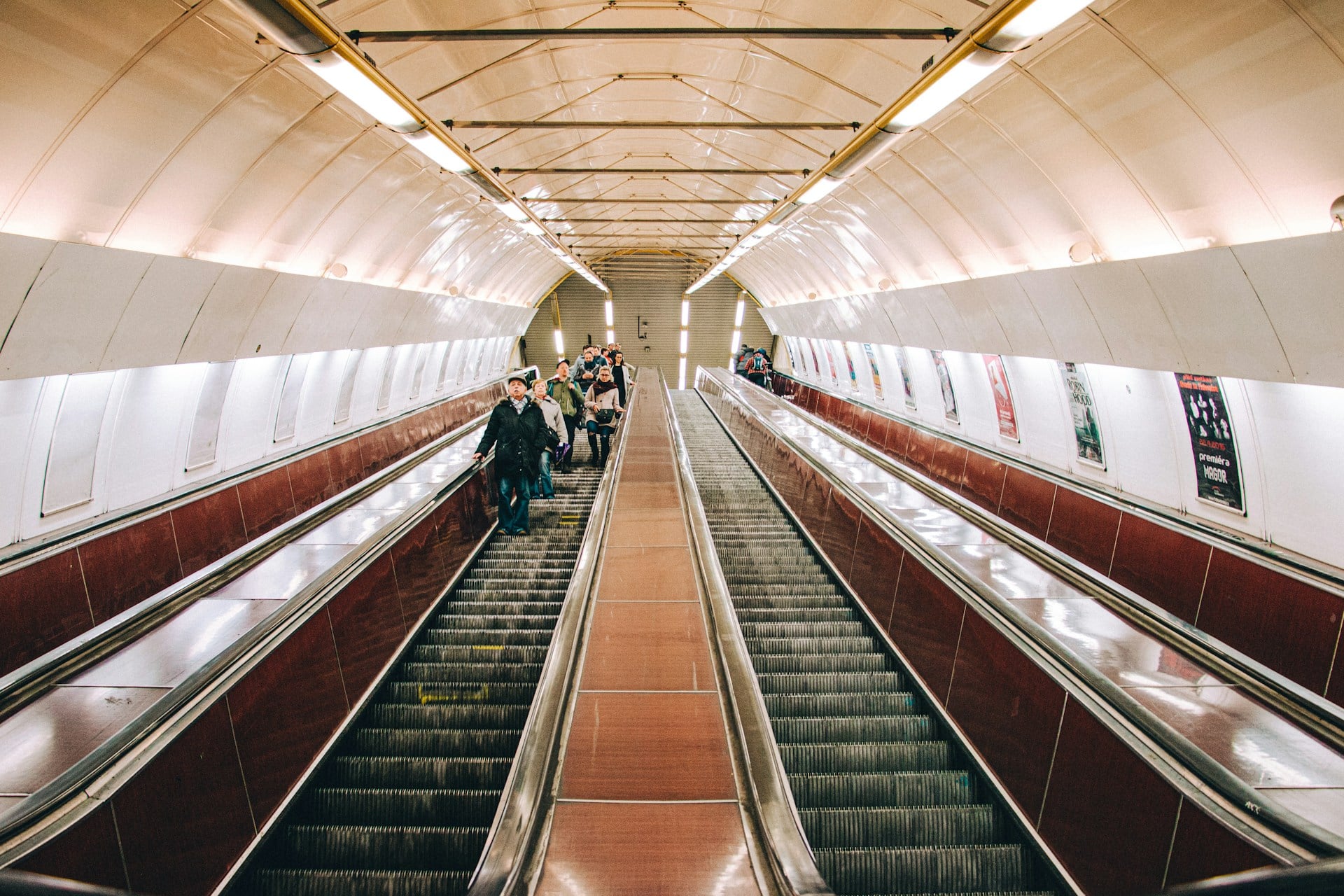
The population increase will be a huge challenge for public transport
Although population growth brings considerable challenges, it is a natural development, which is positive for Prague's growth and economy alike. The rise in population will not be the result of birth rates, because, as in neighbouring European countries, fewer children will be born than people die in the long term. It will come as a result of migration and people moving to the capital. TIP: If you are interested in more detailed results of the Prague Institute of Planning and Development study, for example regarding the availability of amenities in the district where you live, try the publicly available interactive tool.
The need for new residential construction
Housing affordability in the Czech Republic is among the worst in the European Union. Market prices of property in the capital have been rising steeply in recent years, rent is getting ever more expensive, and even so a single listing attracts dozens or hundreds of applicants. How much an average m² of residential property costs you can read on our blog. And how the rent of city-owned flats will develop in 2025 you can find out here. Within Prague, the strongest population growth will occur mainly in locations that are currently sparsely populated, but where intensive residential construction is planned in the foreseeable future. Urban planning experts expect the largest relative increase in the neighbourhood of Ruzyně airport, the former emergency colony of Slatiny in Prague 10 and the Třebonice district lying in the westernmost part of Prague 5. The number of residents there will roughly quadruple by 2050. In absolute numbers, the surroundings of Bubny in Holešovice or the southern part of Smíchov, for instance, will expand markedly, with entirely new residential areas set to replace the railway stations. Brownfields, i.e. former industrial sites, are a suitable solution for housing the capital's growing population. Today's unused buildings, which no longer serve their original purpose, often lie close to the city centre. Besides those mentioned above, another example is the freight railway station in Žižkov, whose transformation is slowly getting under way.
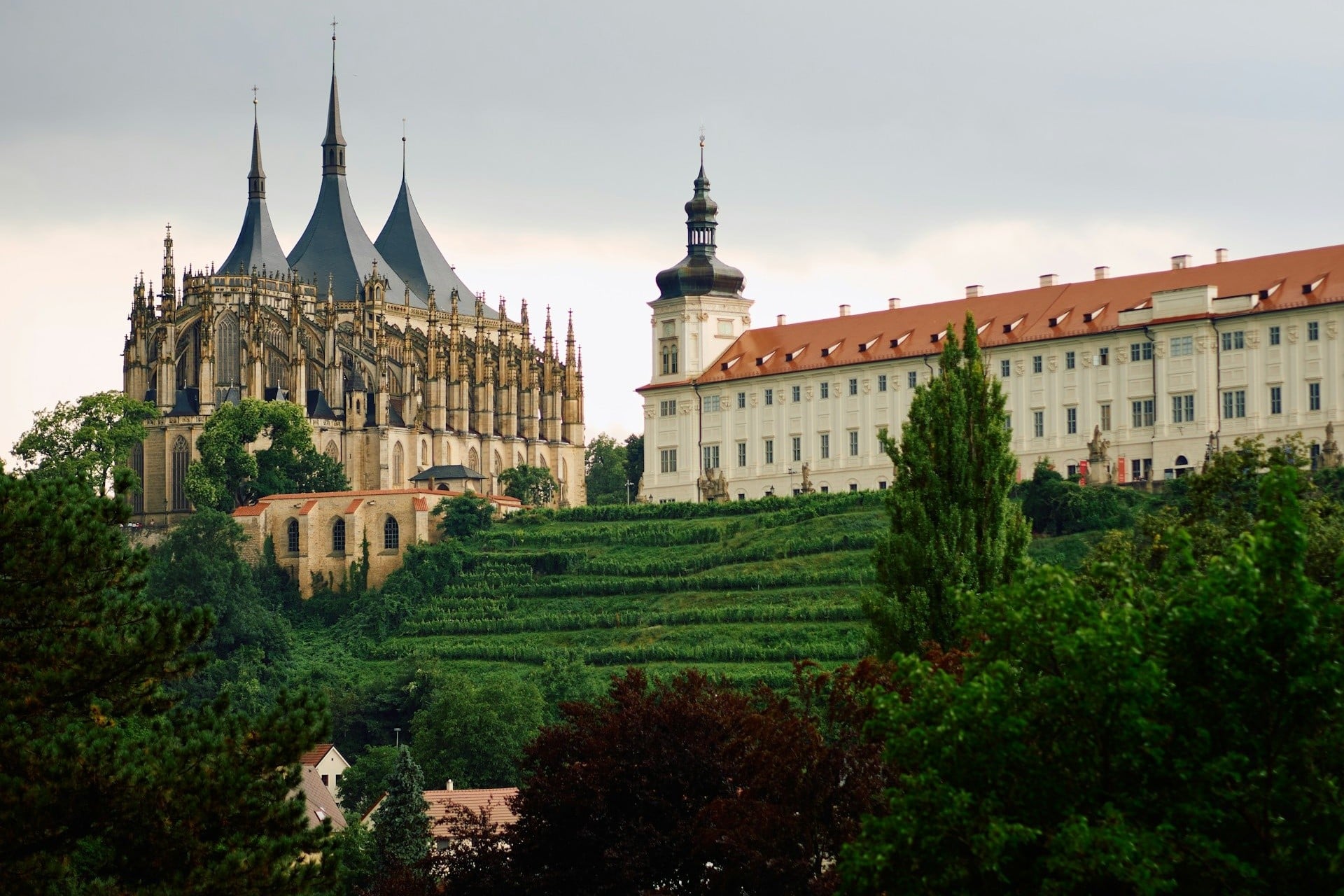
Prague and the Central Bohemian Region were the only higher self-governing units in the Czech Republic to record population growth in the first half of 2024
It is not only Prague that will have to cope with the enormous population increase, but also Central Bohemia. According to a projection by the Czech Statistical Office, 1.9 million people are to live in the Central Bohemian Region in 2080. That may result in more people commuting to the capital for work and thus increased pressure on public transport and main roads alike. In terms of population, experts expect a turning point in 2064, when Prague will take over from the Central Bohemian Region as the most populous region in the Czech Republic. Interest in rental housing in Prague and its immediate surroundings is currently enormous. If you own a vacant flat or have bought an investment property in the city centre, get in touch with us and leave the selection of a suitable tenant and all the related paperwork to us. Call +420 277 000 330 or write to sales@flatservice.cz. We will be happy to explain how professional property management works. At FLAT SERVICE we also offer the Garant service, which provides guaranteed rental income for the entire duration of our cooperation, with no worries at all for the flat's owner.