
For several years now, the European Union has been intensively preparing a new way of trading so-called emission allowances. While the ETS1 system used to target mainly industrial sectors, power plants and heating plants, ETS2 has a far greater potential to hit ordinary people’s wallets. Among other things, it focuses on heating residential properties and road transport. Charging individuals for greenhouse gas emissions is set to begin in 2028 – which leaves just two more years for preparations and final negotiations. The original date was January 2027, but a one-year delay is now expected. The legislative change is not final yet and a number of countries, including the Czech Republic, are trying to minimise the impact of ETS2 or scrap the project altogether, yet some form of charge for individual emissions will very likely arrive sooner or later. It is therefore wise to be prepared and to be aware of the potential impacts of regulations like these.
The future price of ETS2 allowances is still uncertain
ETS2 emission allowances will be traded on the exchange – in fact, they are already being traded today in the form of futures contracts (so-called futures). And their price has surprised even Europe’s own politicians. Nobody expected it to shoot up to somewhere near the 100-euro mark for every tonne of carbon dioxide released.

The news from the exchange came as an unpleasant surprise to Brussels, and the ETS2 project has been sent back to the negotiating table
Politicians therefore decided to pull the emergency brake and pushed for a price cap of 45 euros per tonne. If the market price of an allowance were to rise above this level, an automatic mechanism should kick in and release more allowances into circulation. Even this option, however, is not to every country’s liking – it runs counter to the original purpose of the whole regulation.
Time to shake things up (and innovate)
Wondering about the potential impact on the property market? It is surprisingly big. The gap will start to widen dramatically between so-called green flats (using modern technology and environmentally friendly forms of heating) and “brown” flats (where fossil fuels still rule the roost, including natural gas, used by 38% of Czech households). Monthly heating costs for the average Czech household will rise by hundreds of crowns, and people will also pay more for petrol and diesel for their cars. If the proposed cap is reached, a litre of petrol should cost roughly 3 Kč more, but if the allowance price were to reach 100 euros per tonne, fuel would cost as much as 7 Kč more per litre. Higher fuel prices will hit supply chains hard, so all consumer prices will go up.

Heating costs and fuel prices have a fundamental influence on the value of the goods sold and services provided
The paradoxical result may well be that the goal of the regulation not only goes unmet, but that reaching it becomes even harder than before. Lower-income households will take yet another painful hit to their wallets, and the idea that they might respond by buying an electric car, investing in solar panels or a heat pump, really does belong in the realm of science fiction. Just how aware of this the people behind the proposed ETS2 regulation are remains an open question.
Start renovating as soon as you can
In practice, this will mean that on the rental housing market there will be a sharp rise in demand for modern flats where tenants pay noticeably less for energy each month. By contrast, energy-hungry flats that rely on fossil-fuel heating will be at a significant disadvantage on the market. The whole problem will deepen even further outside the big cities, where at the same time the large post-war generations will gradually be replaced by the smaller cohorts of the 1990s and the early 2000s – today’s young families. If you are considering a complete renovation of your investment flat focused, among other things, on technological equipment and the heating system, you should get started as soon as possible. Demand for energy-efficient solutions and for experienced tradespeople and builders capable of delivering quality renovations can be expected to grow at a rocketing pace. That will naturally push up prices in the construction industry and the cost of such renovations.
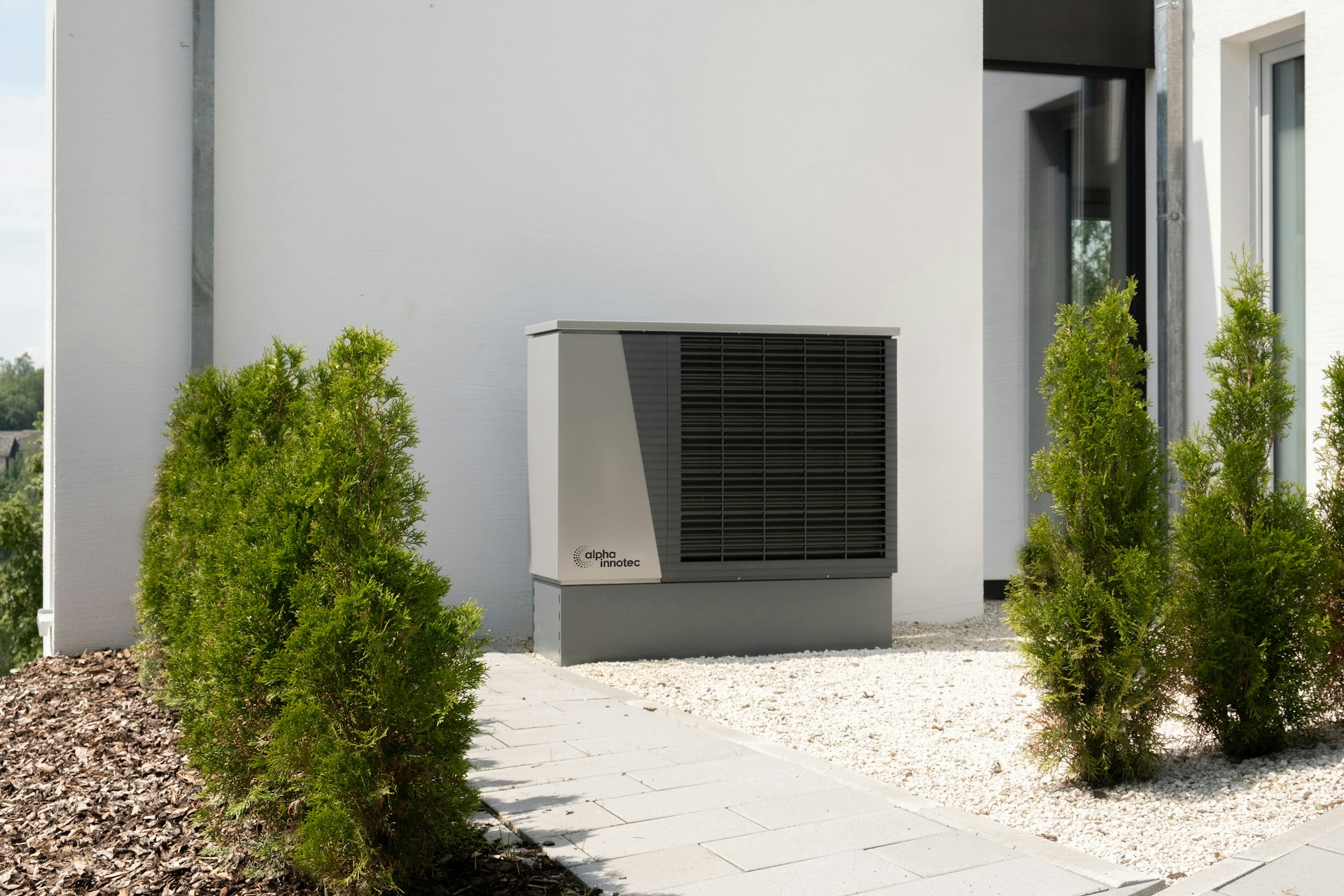
Subsidies are available for selected environmentally friendly solutions, which in many cases ultimately pushes up their basic price for the end consumer
Investing in energy-efficient housing will bring owners significant savings on energy, and landlords the potential for higher income and a more attractive choice of future tenants. For everyone – investors and owner-occupiers alike – it also provides protection against the gradual devaluation of flats and houses. Would you like a reliable partner who can always give you sound advice on renting out investment properties? Then get in touch with FLAT SERVICE, which offers a wide range of services for flat owners through its Partner and Garant programmes. Call +420 277 000 330 or write to sales@flatservice.cz to find out more.