The end of March is somewhat specific in that a large share of investors are trying to secure pre-approval for investment mortgages still under the old, more favourable rules, valid until the last day of March. From 1 April, based on binding recommendations from the Czech National Bank, there will be a significant tightening of belts. We covered this topic in more detail in a separate article.
However, this is only a temporary fluctuation that will not have such an impact on the overall dynamics of the market. “On top of that, we are facing a moderately strong legislative storm with considerably greater impacts than the legislative breeze of 2025,” points out the Czech Rental Housing Association (ANB). It also adds a forecast for the rental market that will surely be of greatest interest to our existing and potential clients: “The growth rate of flat prices will not be in double digits, it will slow down compared with 2025, and rents will most likely keep the same dynamics as in 2025.”
Rental market forecast for 2026
Let’s now take a look, one by one, at all 10 trends that ANB mentions in its material:
1) Flat prices will grow at a rate of 6 to 8%
A slowdown in real wage growth and the related drop in purchasing power will, according to ANB, put pressure on property prices, which means we can forget about the earlier double-digit year-on-year growth in their value.
2) Rents will rise, but more slowly than in the past
This year, no pressure for a sharp jump in rents can be expected, also given the financial difficulties some households may face in connection with the current situation in the Middle East. Rising costs across all sectors will (perhaps somewhat paradoxically) be another factor pushing against rent increases, so growth of roughly 6 to 9% can be expected.
3) Almost another 40,000 people will move into rented housing
The number of people choosing renting over owner-occupied housing is steadily growing and is slowly approaching Western standards. By 2030, about a quarter of the Czech population is expected to live in rented housing.

Rental housing is becoming the first and de facto only option, especially for young families
4) Non-paying tenants remain a question mark
The share of non-paying tenants will stagnate and should continue to hover around 2%. A major change, however, will be the implementation of the so-called super-benefit. It was originally to be paid out from May, but the date has now been pushed back to the second half of the year. “There is slight nervousness on the market as to whether the new super-benefit might ultimately worsen the payment discipline of some tenants,” notes ANB Vice-President Michal Hrbatý.
5) The gap between Prague, Brno and the regions will widen
The second-largest city in the Czech Republic will slowly be catching up with Prague in terms of rental housing prices. In other locations, however, prices may even fall. The availability of quality transport infrastructure (reliable trains and new motorways) plays a major role.

In terms of the rental market, Prague will continue to be a kind of “state within a state”
6) Interest rates will rise
Banks have already reflected the higher price of money in their final rates for clients. More expensive mortgages (which we can now observe almost in real time) mean a further postponement of buying their own home for some potential buyers.
7) There will be significant changes to legislation
Both the Building Act (on which we are preparing a separate article for you) and the Housing Support Act are currently going through the legislative process. It is quite possible that an amendment to the Act on Linear Structures will classify large residential projects among so-called facilities of public interest, which could fundamentally change market dynamics.
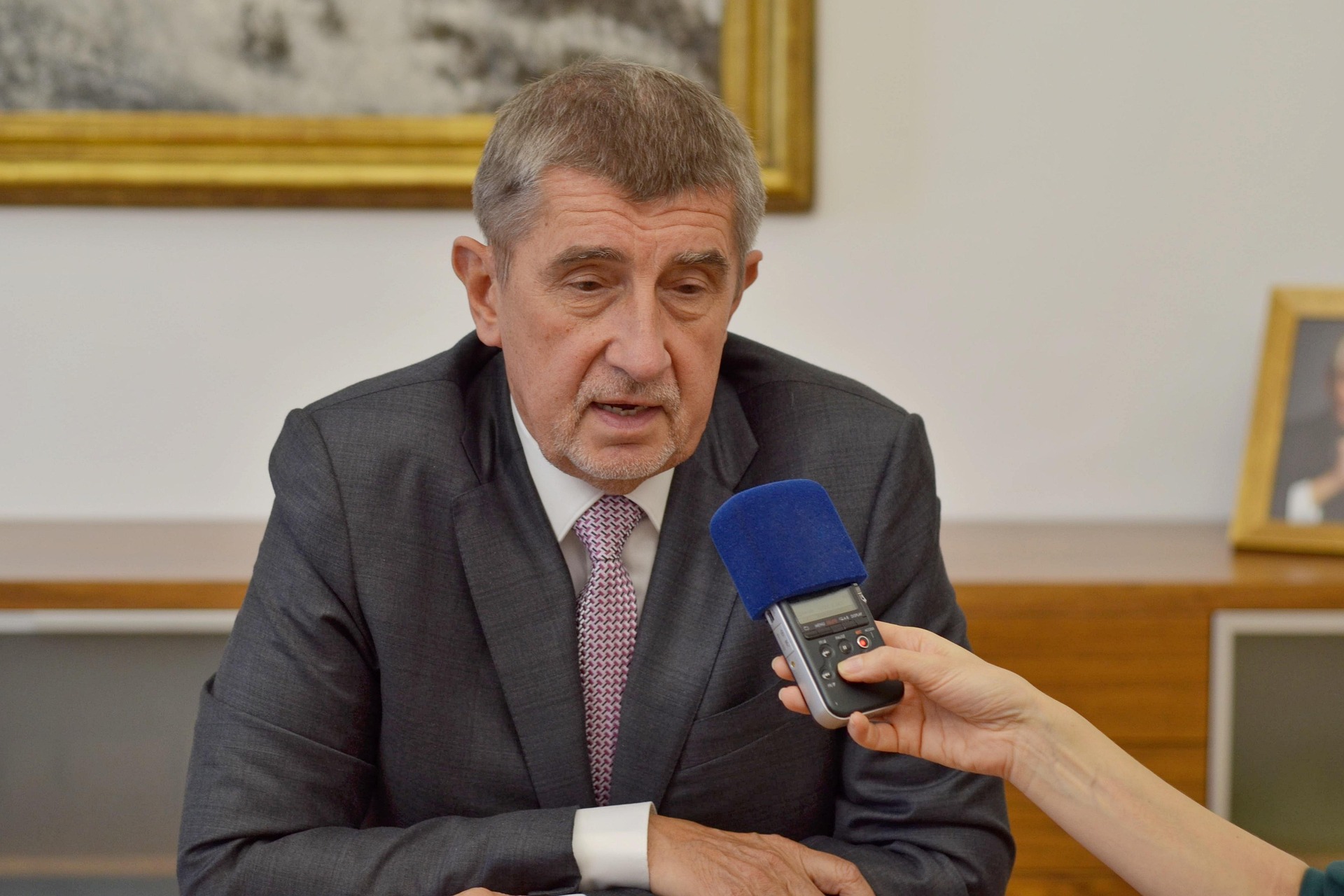
A new government also brings a new approach to tackling the housing crisis
8) The professionalisation of the market will continue
The importance of institutional landlords and large housing portfolios is growing year on year, and 2026 will be no exception in this respect. “I expect that in Prague alone the number of flats managed by institutional landlords will grow by roughly 800 units in 2026,” says ANB Vice-President Zuzana Chudoba.
9) Construction will continue in Prague, but still less than needed
Last year, construction of approximately 6,500 new flats was completed in the capital. In reality, easily twice as many would be needed. Developers are launching further projects (often on the sites of former brownfields in the wider centre), but this is still nowhere near enough to cover the high demand. Another problematic factor is the rise in building material prices by tens of percent.
10) Renting will remain economically more advantageous than ownership
According to ANB calculations, the comparison between rented housing and owner-occupied housing financed by a mortgage (at the current high interest rate) currently comes out significantly in favour of renting. For a typical flat of around 50 square metres, the difference is almost 8,000 Kč! For many people, renting will thus become a permanent rather than a temporary choice.
Are you investing in property and looking for a reliable partner to manage it? FLAT SERVICE has 20 years of experience in the professional management of rental flats. Write to sales@flatservice.cz or call +420 277 000 330 and we will be happy to prepare a non-binding rent calculation for your investment portfolio.