So-called 3D printers are extremely popular in the Czech Republic. No wonder, given that the Czech company Prusa Research, owned by Ondřej and Josef Průša, ranks among the absolute world elite in this field.
But did you know that besides board game components, medals, organisers, stands and similar small items, you can also print an entire house? Of course, you’ll need a professional partner for that – you certainly won’t build your new home on a household 3D printer with a build area of a few dozen centimetres.
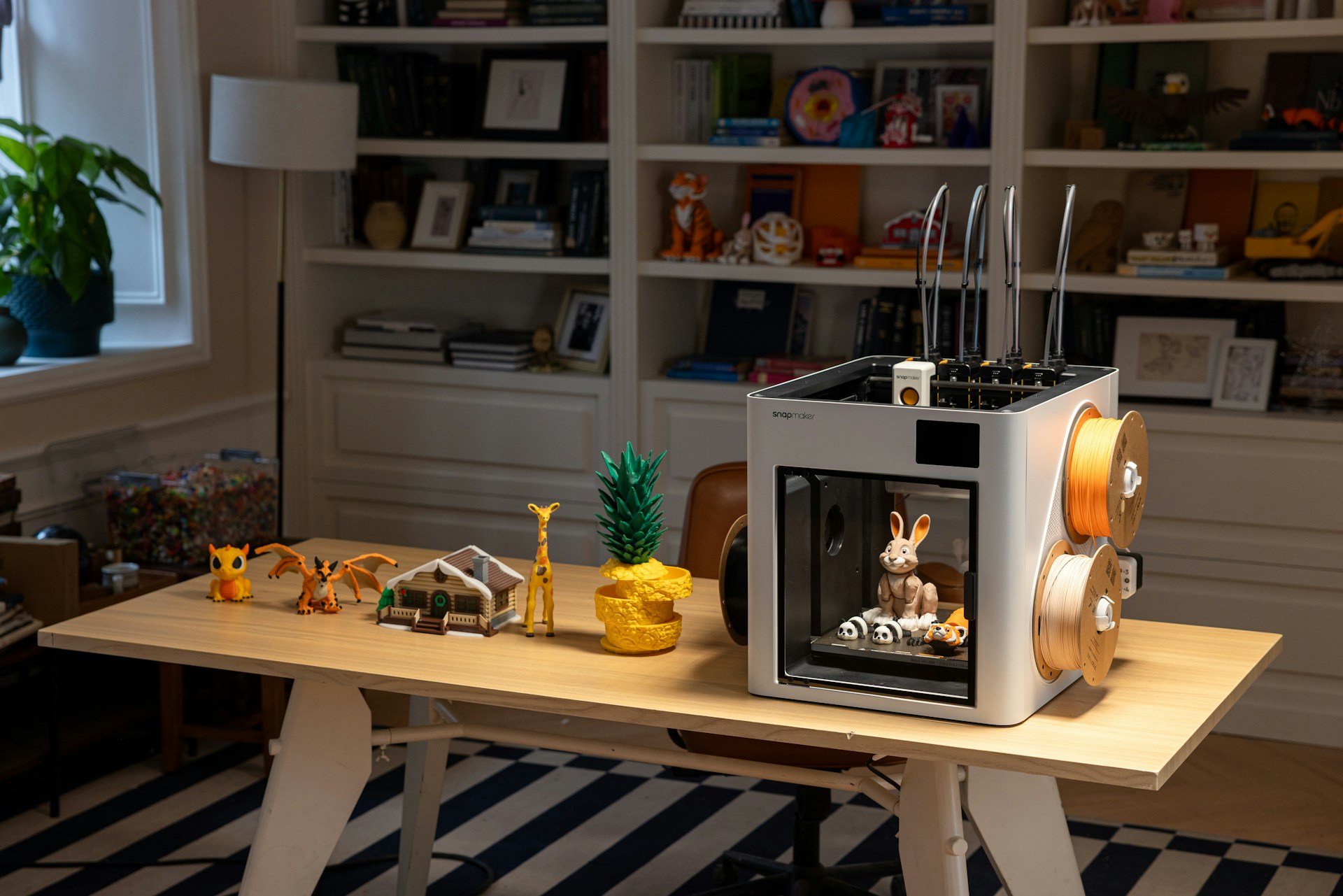
All sorts of things can be made at home, but not another home
In recent years, however, the cost of buildings created using this technology has fallen very quickly, so they are becoming more affordable. Of course, challenges remain – for instance acquiring a suitable plot of land within commuting distance of one of the larger Czech cities.
Concrete with the bonus you need
Building houses with giant 3D printers most often involves a mixture very similar to conventional concrete. It can be modified to the builder’s wishes and its attributes adjusted – for example, increasing its resistance in seismically active areas. Or tailoring its thermal and waterproofing properties to the conditions of a specific location.
Picture the whole process as similar to a pastry chef decorating a dessert with a special nozzle full of cream. Individual layers of material are laid down one by one across the entire footprint of the house until everything is complete. This initial construction phase usually takes only about 5 to 8 days!
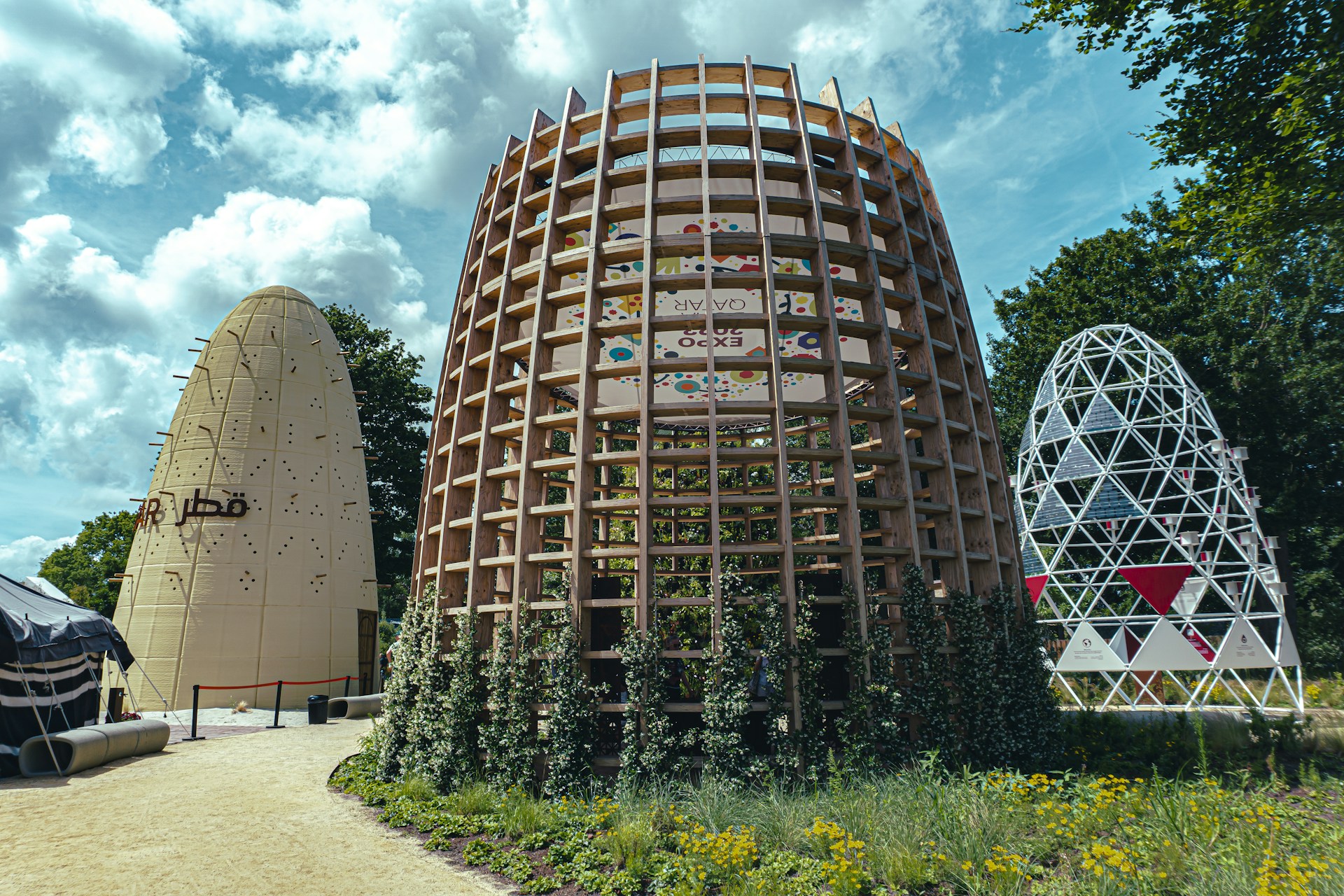
Various 3D-printed structures regularly appear at the world EXPO exhibitions
With 3D printing, it is typical for the outer structure to be printed “hollow” and later filled with a suitable insulator. Next comes the roof, the installation of windows and doors, and interior work. An entire house can be built in roughly 2 months using this technology. From a green field to the moment it is ready to move into. With conventional construction, whether using bricks or blocks, such a timeline is completely unrealistic.
Comparable construction costs
The price of such a building has fallen so much in recent years that it is essentially comparable to conventional construction. Yet several problems disappear – for example the need to deal with a shortage of skilled builders and the resulting pressure on prices and quality from all sides.
Several Czech companies already have experience building 3D houses and are now gradually expanding their production capacity. Foreign manufacturers with huge printers measuring roughly 10×10 metres are able to build two-storey buildings as well as terraced family houses.
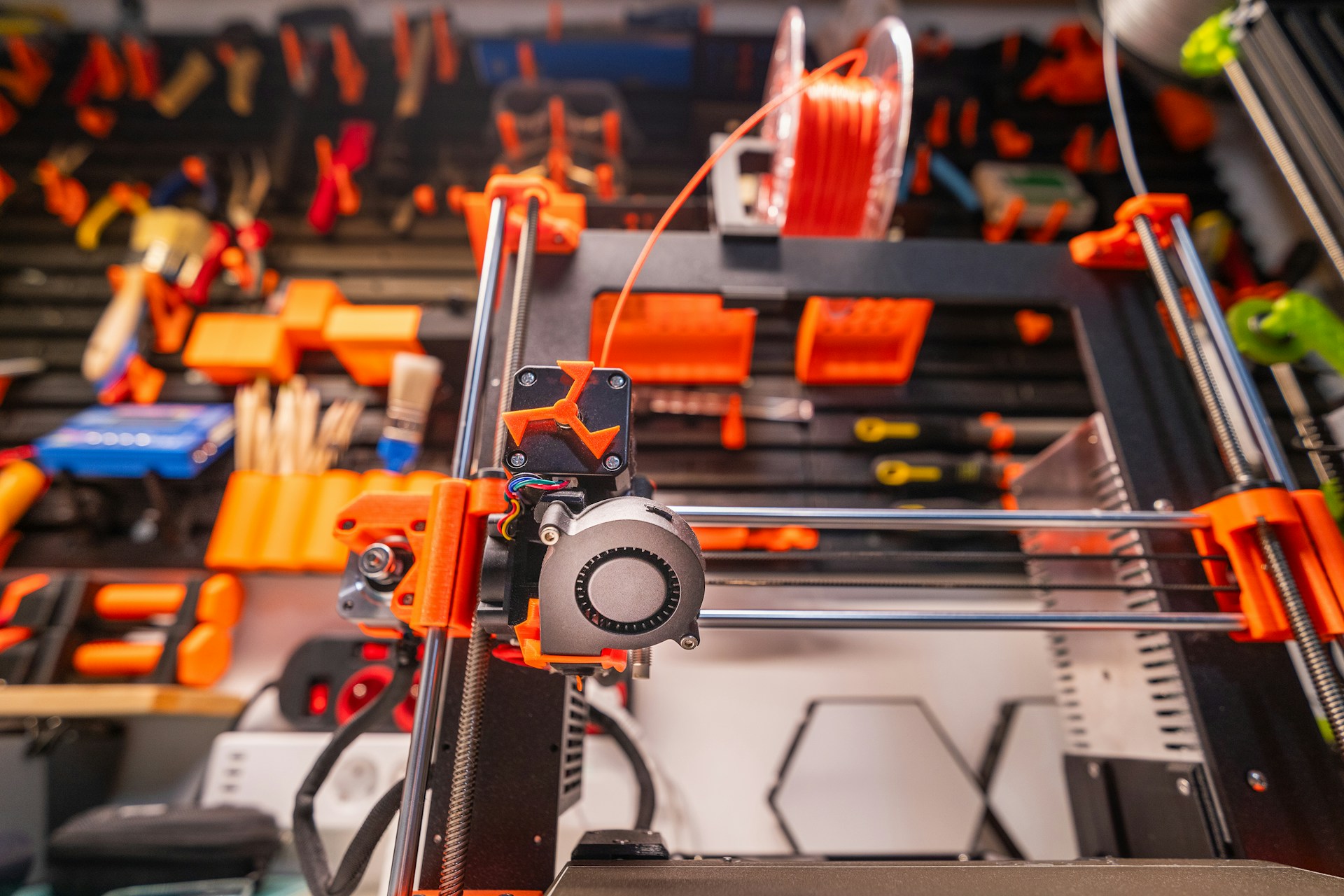
Czechs are among the world leaders in 3D printing; both founders of Prusa Research appear on Forbes magazine’s billionaire list
A builder essentially has two options: either assemble the structure in parts under “laboratory conditions” in the supplier’s hall, or print the modules directly on the plot. A specific calculation will show whether it is cheaper to transport construction machinery and materials, or whether it is enough to put everything together on site.
Freedom that can’t be taken for granted
An interesting development is that 3D printing is now also an option for residential architects. Thanks to the freedom of shapes and surfaces, they gain greater creative freedom when designing. 3D printing makes it possible to work with concrete in ways that would traditionally be impossible, achieving visually attractive (yet affordable) results.
A printer can also be used to produce accessories and landscaping features. A design can therefore include designer lamps, benches, planters, tables or a separate garden shed in the same style as the main property. The limit today isn’t so much the technology as our own imagination. And, of course, the opinion of the building authority.
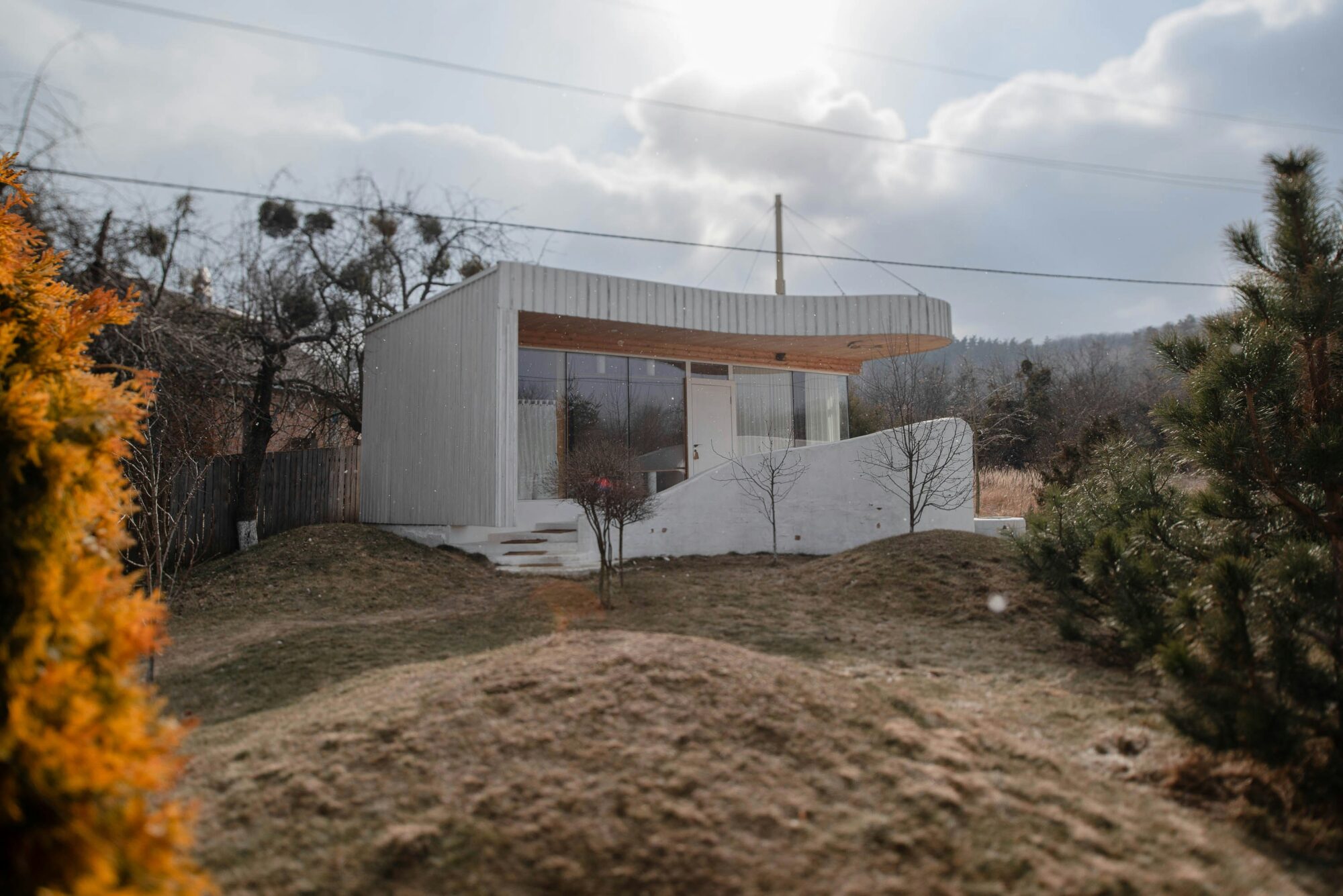
3D printing will increasingly become a way for young people to fulfil their dream of owning a home
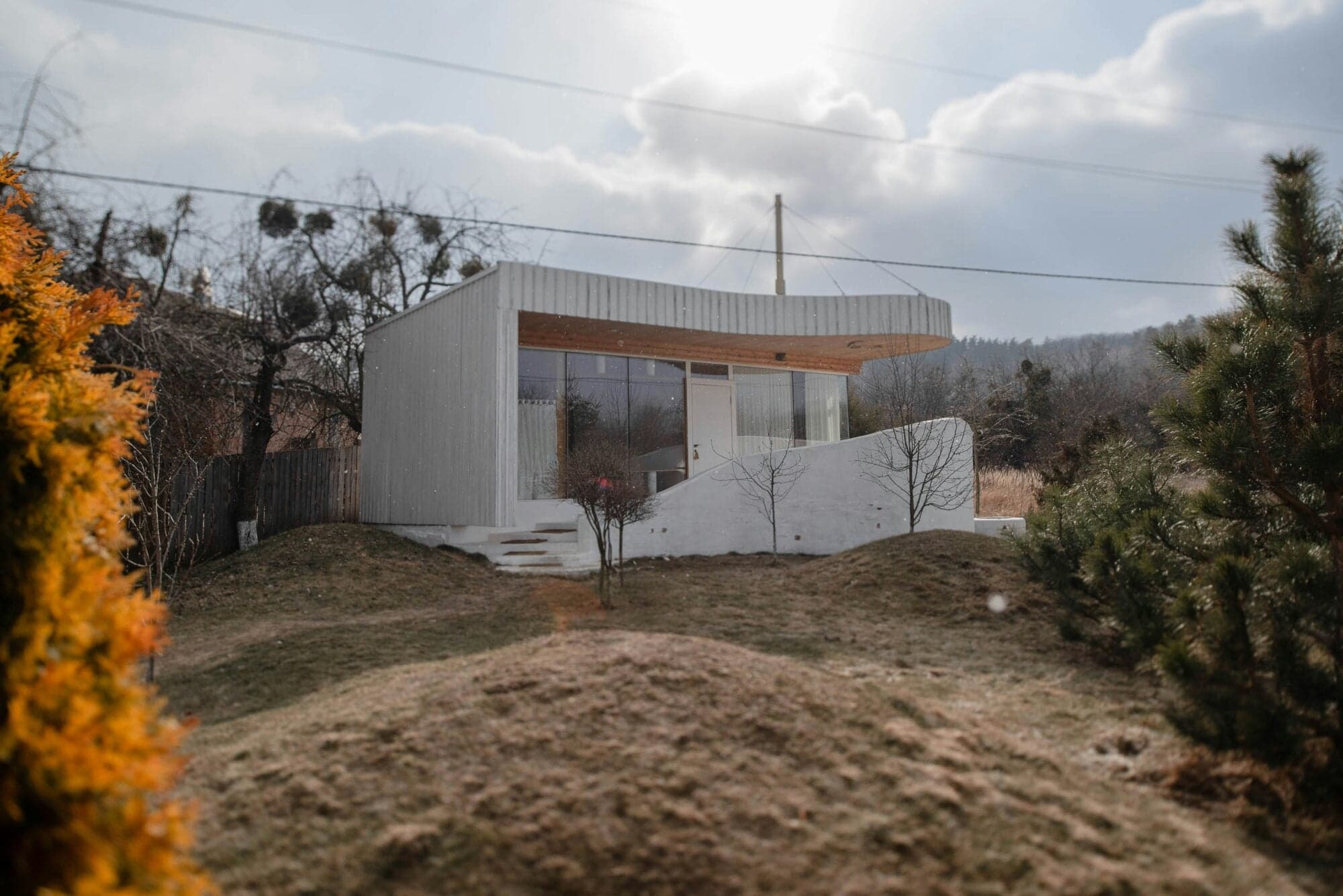
At present, 3D printing can find use in building the increasingly popular tiny houses. The pace at which the technology is advancing, however, suggests that in the near future it may also become an interesting alternative for entire smaller-scale development projects.
Would you like weekly updates on what’s new in the world of real estate and investment property? Follow us on social media and read the FLAT SERVICE blog. We are a company with two decades of experience managing investment flats in Prague and the surrounding area. We’ll be happy to introduce our Partner and Garant services to you on +420 277 000 330 or by e-mail at sales@flatservice.cz.